


Planning a class reunion can feel overwhelming, especially when trying to accommodate everyone’s preferences and schedules. A well-structured survey template can simplify the process, ensuring your gathering is a memorable success. Discover how to effortlessly gather insights and boost participation for your ultimate reunion celebration!
Understanding the Purpose of a Class Reunion: Why It Matters
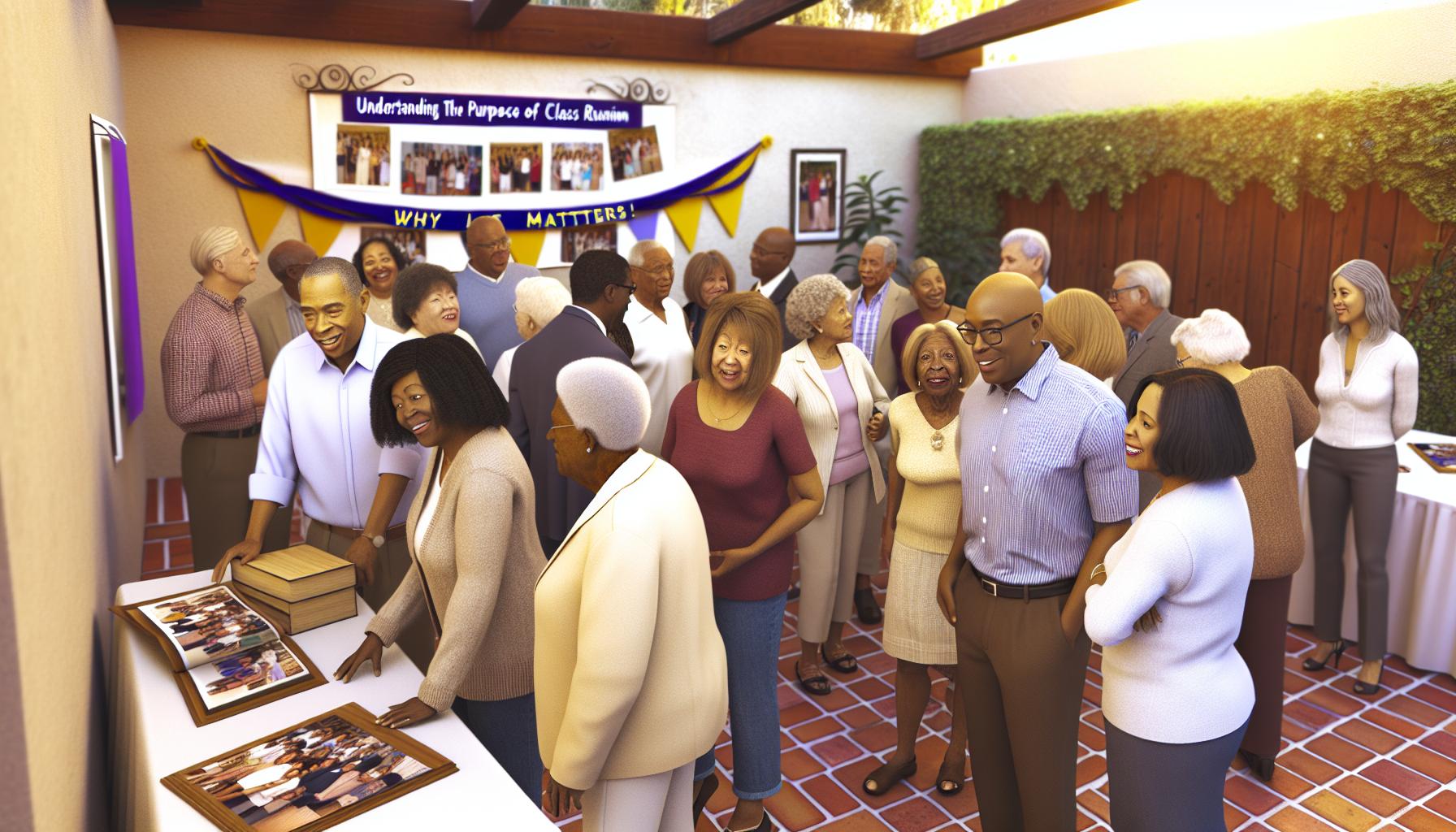
Reconnecting with old friends and reminiscing about shared experiences can ignite a sense of nostalgia and unity that transcends time. Class reunions serve as more than just a social gathering; they are opportunities for reflection, celebration, and community building. The purpose of a class reunion is multifaceted, offering attendees a chance to reconnect not only with classmates but also with their past selves.
Fostering Lifelong Connections
One of the primary reasons for organizing a reunion is to strengthen the bonds formed during those formative years. As individuals progress through life, personal and professional growth often leads to geographical or emotional distance. By bringing everyone together, a class reunion can:
- Revive old friendships.
- Encourage networking opportunities.
- Create a platform for sharing life experiences.
Sharing stories about what each person has achieved can enhance feelings of connection. For instance, a former classmate might inspire others by discussing their journey in starting a successful business or overcoming personal challenges.
Celebrating Achievements
Class reunions also provide an opportunity to celebrate collective and individual accomplishments. Whether it’s career milestones, family achievements, or personal growth, acknowledging these successes creates a supportive community atmosphere.
| Type of Achievement | Example |
|---|---|
| Career Success | Promotion to executive level in a multinational company |
| Personal Milestone | Completion of a marathon |
| Community Involvement | Leading a local charity initiative |
Recognizing these milestones serves to motivate others and reinforce the idea that success comes in many forms, catalyzing further discussions that strengthen community ties.
Creating Lasting Memories
Lastly, a class reunion is a chance to create new memories while cherishing old ones. Engaging activities, such as games, sharing past highlights, or perhaps a memory wall where attendees can post pictures and notes, can foster an atmosphere of joy and nostalgia. Utilizing a class reunion survey template can help organizers ensure that everyone has a voice in planning the event, making it a more inclusive and memorable experience for all.
In summary, understanding the purpose behind a class reunion reveals the intrinsic value these gatherings hold. They not only celebrate the past but foster connections, acknowledge achievements, and create lasting memories, making them an essential aspect of maintaining life’s relationships.
Key Elements of an Effective Class Reunion Survey
An effective class reunion survey plays a crucial role in maximizing attendance and ensuring that the gathering meets the expectations of your classmates. By thoughtfully crafting this survey, you can gather invaluable insights that will guide the planning process and enhance the overall experience. Here are essential components that contribute to the success of your class reunion survey.
Core Components
To make the survey both engaging and informative, consider including these key elements:
- Contact Information: Collect names, email addresses, and phone numbers to ensure clear communication as the event approaches.
- Attendance Confirmation: Ask attendees to indicate their likelihood of joining, which will help you finalize venue choices and catering quantities.
- Preferred Dates and Times: Offer multiple options for the event so that you can choose a timeframe that accommodates the majority.
- Activity Preferences: Include questions regarding preferred activities or themes to ensure there’s something for everyone, such as a casual get-together versus a more formal gala.
Additional Insights
Incorporating open-ended questions can yield rich feedback and personal stories that can help guide the direction of your reunion planning. For instance:
| Question Type | Purpose |
|---|---|
| Open-Ended Questions | To gather personal anecdotes or suggestions that can shape the overall experience. |
| Multiple Choice Questions | To assess preferences quickly and efficiently, making it easier to analyze results. |
By offering a mix of question types, you cater to both those who prefer to elaborate on their thoughts and those who prefer quick responses. This balance ensures your class reunion survey reflects the varying preferences of your classmates, making it a powerful tool in planning the ultimate gathering.
Crafting Your Survey Questions: Tips for Clarity and Engagement

Crafting insightful survey questions is essential for collecting valuable feedback that can shape your upcoming gathering. By using well-structured inquiries within your Class Reunion Survey Template, you can engage alumni effectively and gather meaningful insights about preferences, interests, and concerns. The clarity of your questions not only enhances understanding but also increases participation rates, turning your survey into an engaging experience rather than a mere task.
To begin, focus on question types that spark interest and elicit valuable responses. For instance, open-ended questions can provide rich, qualitative feedback. Consider asking, “What is your favorite memory from high school?” This allows respondents to share personal anecdotes that could potentially inspire nostalgic conversations during the reunion. Alternatively, rating scale questions could be beneficial for gauging enthusiasm about potential activities, such as, “On a scale of 1 to 10, how excited are you about a group outing?” This format makes it easy for participants to express levels of interest, succinctly capturing their preferences.
Ensuring Clarity and Engagement
Here are some practical tips to ensure your survey questions are both clear and engaging:
- Be Specific: Avoid vague terms. Instead of asking, “Do you like the idea of a reunion?” specify, “How much would you enjoy a picnic at the park as part of the reunion?”
- Limit the Length: Keep questions concise. Long questions can lead to confusion. Aim for clarity in every inquiry.
- Use Inclusive Language: Make sure your questions are welcoming to all alumni, considering varied backgrounds and experiences.
- Test Your Questions: Before launching your survey, pilot it with a small group to identify any confusing elements.
Incorporating these strategies into your Class Reunion Survey Template not only fosters a sense of connection among alumni but also generates actionable data to plan the ultimate gathering. A well-crafted survey can lead to a memorable reunion, where attendees reconnect over shared experiences and create new memories together.
Gathering and Analyzing Responses: Turning Data into Action

Collecting responses from a class reunion survey can be a transformative step in planning the event of a lifetime. Beyond just accumulating numbers, this data can provide profound insights into your classmates’ preferences, ensuring that every part of the reunion is tailored to their enjoyment. An electronic survey platform can simplify gathering these responses, allowing for real-time updates and analysis, making the entire process feel seamless and efficient.
Once the responses start pouring in, it’s vital to systematically analyze them to gauge the interests and expectations of your classmates. Here are some practical steps to turn those raw data points into actionable insights:
1. Organize the Data
To start, categorize the collected data into meaningful segments that reflect preferences, including:
- Event Date and Location Preferences
- Type of Activities Desired (e.g., formal dinner, casual gathering, outdoor activities)
- Willingness to Contribute (both time and finances)
- Preferred Communication Channels (e.g., email, social media)
Using spreadsheet software, you can easily create tables to help visualize these elements better, making it easier to spot trends and majorities.
| Preference | Count | Percentage |
|---|---|---|
| Weekend Event | 80 | 65% |
| Formal Dinner | 50 | 40% |
| Outdoor Activities | 35 | 28% |
2. Identify Key Takeaways
Once the data is organized, pinpoint the key findings that will dictate your reunion’s structure. For instance, if the majority prefer a weekend event over a weekday, prioritize those dates. Similarly, understanding if attendees favor relaxed or formal settings can significantly impact your venue selection and catering options.
3. Communicate Findings
After interpreting the data, sharing your findings with your organizing committee is crucial. This not only fosters collaboration but also enables everyone to align their efforts based on collective insights. Consider using presentation tools or infographics to visually communicate the survey results; this approach can make discussions more engaging and productive.
By effectively gathering and analyzing responses from the class reunion survey, you can ensure that your event resonates with the desires and expectations of all attendees. This strategic approach not only facilitates a thoughtful planning process but ultimately transforms data into memorable experiences tailored for each participant.
Planning the Perfect Event: Transforming Survey Insights into Reality

Planning a memorable event often hinges on understanding what attendees truly want and expect. When leveraging survey insights, especially through a class reunion survey template, you can transform vague ideas into specific, actionable plans. By gathering feedback on preferences regarding location, activities, and timing, you’re not just collecting data; you’re engaging your former classmates to ensure their voices are heard. An effective survey can unlock valuable insights, driving higher attendance and satisfaction rates.
Utilizing Survey Insights Effectively
To maximize the benefits of the information collected from your surveys, start by categorizing the responses into key focus areas. For example:
- Preferred Venue: Identify the most popular locations chosen by respondents.
- Activity Preferences: Determine what events or activities (e.g., games, speakers) your classmates are excited about.
- Scheduling Preferences: Analyze suggestions for dates and times that accommodate the majority.
Using these insights, you can prioritize planning efforts that align with your classmates’ desires, creating an event that genuinely resonates with the group. For instance, if survey results indicate a strong preference for outdoor activities, consider organizing a picnic-style reunion in a local park.
Transforming Data into a Concrete Plan
Once you have analyzed the survey results, it’s crucial to create a detailed plan based on the findings. Compile the information into a straightforward format that outlines your steps:
| Step | Action | Responsible Party |
|---|---|---|
| 1 | Secure Venue | Planning Committee |
| 2 | Choose Activities | Event Coordinator |
| 3 | Send Out Invitations | Marketing Team |
This structured approach ensures everyone involved in the planning knows their responsibilities and deadlines, paving the way for a seamless execution that reflects the desires of your peers.
Ultimately, by turning survey insights into reality, you’re not merely hosting a reunion; you’re orchestrating an engaging experience that celebrates nostalgia while building connections for the future. Embrace the insights gathered through the class reunion survey template to elevate your gathering, ensuring it is not only well-attended but also cherished by all participants.
Promoting Your Reunion: Reaching Out to Classmates Effectively

Engaging classmates and generating excitement about your reunion can make the difference between a well-attended event and a sparsely populated gathering. People are often busy with their own lives, but a thoughtful outreach strategy can rekindle connections and encourage attendance. Start by creating a sense of anticipation and curiosity about the reunion. Utilizing social media platforms, particularly Facebook, can be exceptionally effective due to their ability to reach large audiences and facilitate community interactions. For instance, many classes have successfully created dedicated groups that serve as a platform to share memories, plan logistics, and even distribute a Class Reunion Survey Template to gather input on venue choices and activities.
Choose the Right Channels for Communication
Consider employing a mix of communication channels:
- Email: A well-crafted email can convey important details and spark nostalgia. Include highlights like “save the date” information and a link to a survey where classmates can express their preferences.
- Social Media: Create a Facebook event or group which not only keeps everyone in the loop but also invites ongoing interaction among classmates.
- Text Messages: For immediate updates or reminders, sending a quick text can be an effective way to reach your classmates directly.
- Word of Mouth: Encourage attendees to spread the word within their networks; personal recommendations can be powerful.
Utilize a Class Reunion Survey Template
Incorporating a Class Reunion Survey Template enables you to gather crucial information regarding preferences for dates, locations, and activities. Below is an example of how to structure your survey:
| Question | Response Options |
|---|---|
| What date works best for you? | Option 1: Weekend of July 10, 2025; Option 2: Weekend of July 17, 2025 |
| What type of venue do you prefer? | Classroom setting, Restaurant, Outdoor park, Other |
| What activities would you like to see? | Games/Contests, Group dinner, Happy hour, Other |
In your outreach efforts, ensure you provide clear instructions on how to fill out the survey, perhaps including an incentive for response, such as a prize draw for those who complete it. The feedback collected not only informs your planning but also makes classmates feel involved in the process, fostering a sense of ownership and commitment to attending the reunion.
By utilizing these strategies and resources like the Class Reunion Survey Template, you can effectively reach out to your classmates and ensure that your reunion is memorable, enjoyable, and well-attended.
Creating a Welcoming Atmosphere: Tips for Inclusive Gatherings

Establishing a welcoming atmosphere at gatherings sets the tone for meaningful connections and shared memories. Whether you’re planning a casual class reunion or a more formal get-together, creating an inclusive environment ensures that every attendee feels valued and engaged. Here are some thoughtful tips to cultivate a warm and inviting vibe that encourages interaction and celebration.
Consider Diverse Needs
When planning your event, it’s essential to consider the diverse backgrounds and needs of your guests. Accessibility is a key aspect; make sure the venue is suitable for individuals with mobility challenges. Consider offering seating arrangements that allow everyone to participate comfortably. Additionally, think about dietary restrictions that may be prevalent among your classmates. By doing this, you’re not just showing consideration but actively promoting inclusivity.
Encourage Participation and Connection
To foster an inclusive atmosphere, encourage participation from all attendees. Here are some strategies you can implement:
- Icebreaker Activities: Design engaging icebreaker games that prompt attendees to share personal stories or fun facts. This can help ease initial awkwardness and spark conversations.
- Shared Memory Board: Set up a memory board where guests can pin photos or notes about their experiences from school. This creates a focal point for sharing memories and reminiscing.
- Group Facilitation: Consider designating hosts or facilitators who can circulate during the event, introducing guests and encouraging conversations among those who might not know each other.
Foster a Sense of Belonging
Make an intentional effort to personally reach out to classmates prior to the event. A simple message or phone call can make your classmates feel valued. Consider using a class reunion survey template to gauge interest in activities and understand attendee preferences. Incorporating feedback from this survey can show that their opinions matter, further nurturing a sense of belonging.
Example Survey Elements
| Question | Response Type |
|---|---|
| Preferred Date Range | Multiple Choice |
| Favorite School Memories | Open Text |
| Activity Suggestions | Checkbox |
By crafting an engaging and considerate reunion, you’re not just organizing an event; you’re creating a space where former classmates can reconnect, share laughs, and perhaps even forge new friendships. Using a class reunion survey template to gather insights will guide you in planning the ultimate gathering seamlessly, ensuring everyone feels included and excited to participate.
Following Up After the Reunion: Building Long-lasting Connections

Reunions are not merely gatherings; they are opportunities to rekindle friendships, share life stories, and create lasting memories. However, the magic of these events doesn’t have to fade once the last guest leaves. In fact, following up after the reunion is a crucial step toward nurturing the connections established during the gathering. Engaging with your classmates post-event can ensure that your reunion turns into a robust network of relationships.
Reinforce Connections with Personalized Follow-Ups
A simple “thank you” email can go a long way in showing appreciation to attendees. Here are some effective strategies to enhance communication after your reunion:
- Personalized Messages: Tailor your messages to highlight specific moments from the reunion. Mention shared experiences, inside jokes, or group photos that were taken. This shows your classmates that you valued their presence and are keen on maintaining the bond.
- Social Media Groups: Create dedicated Facebook groups or LinkedIn networks for your class. This fosters ongoing communication, allows for sharing updates, and keeps the spirit of camaraderie alive.
- Email Newsletters: Consider sending out periodic newsletters to keep everyone posted on class news, potential future meet-ups, or class accomplishments. This keeps the community engaged and informed.
Organize Future Gatherings
Planning future events is another excellent way to maintain contacts made during the reunion. Consider structuring your approach like this:
| Event Type | Frequency | Potential Activities |
|---|---|---|
| Casual Meet-ups | Quarterly | Picnics, coffee meet-ups |
| Formal Gatherings | Annually | Dinners, themed parties |
| Virtual Hangouts | Bi-monthly | Game nights, book clubs |
These events can enhance your network while offering a relaxed environment for everyone to connect. Encouraging classmates to participate in planning these gatherings can also foster increased engagement and excitement for future reunions.
Encourage Continuous Engagement
Engagement shouldn’t stop after the initial follow-up or next gathering. Utilize technology to maintain relationships effectively. Here are a few methods:
- Shared Online Platforms: Use Google Drive or Dropbox to create shared albums for reunion snapshots, allowing everyone to contribute their photos and reminisce together.
- Virtual Check-ins: Schedule occasional virtual discussions or Q&A sessions to celebrate personal achievements or discuss topics of shared interest.
- Surveys to Gauge Interest: Utilize a class reunion survey template to collect feedback about past events and to learn what your classmates would love for future gatherings. This data can inform strategies that enhance participation and enjoyment.
By turning fleeting moments into lasting memories through intentional follow-up approaches, you can foster genuine relationships that transcend the confines of your high school years. Always remember, your class reunion is just the beginning; the real work lies in nurturing these connections and making them thrive.
Frequently asked questions
What is a Class Reunion Survey Template?
A Class Reunion Survey Template is a structured tool designed to gather information from classmates regarding their preferences for an upcoming reunion. It typically includes questions about location, timing, and activities, helping organizers plan the ultimate gathering easily.
Using this template ensures that everyone’s voice is heard, making the event more enjoyable for all attendees. The survey can collect data on various aspects, such as the preferred venue and meal choices, aiding in comprehensive planning. You can find useful examples and further details in our guide on organizing class reunions.
How do I create a Class Reunion Survey?
To create a Class Reunion Survey, start by selecting a template that suits your needs. Ensure it includes key sections like RSVP, preferred dates, and activities, making it easy for classmates to respond.
Using online forms like Google Forms can simplify distribution and collection of answers. Consider adding open-ended questions for more personal insights, allowing classmates to share their thoughts or concerns. This individualized feedback can enhance the reunion experience.
Why does a Class Reunion Survey matter?
A Class Reunion Survey is essential because it ensures that the event meets the interests and expectations of attendees. Understanding what classmates want fosters a sense of community and encourages higher participation rates.
Additionally, *inclusive planning* can lead to a more memorable and engaging gathering, strengthening bonds among former classmates. By using the survey, you allow everyone to contribute, enhancing relationships formed during school years.
Can I use a Class Reunion Survey Template online?
Yes, you can easily use a Class Reunion Survey Template online through platforms like Google Forms or SurveyMonkey. These tools facilitate easy distribution via email or social media, maximizing reach among your classmates.
Online templates often provide pre-made questions, making setup quick. This convenience allows you to focus on other planning aspects, ensuring your reunion is organized efficiently and effectively.
What types of questions should be included in a Class Reunion Survey?
Your Class Reunion Survey should include questions about attendance, preferred dates, venues, and desired activities. Additionally, consider asking about dietary restrictions and accommodation needs to cater to all attendees.
Including both multiple-choice and open-ended questions can yield valuable insights, allowing for personalized touches like favorite memories or suggestions for themes. This comprehensive feedback plays a critical role in planning a successful reunion.
How do I analyze the results from a Class Reunion Survey?
To analyze results from a Class Reunion Survey, aggregate the data into categories such as attendance numbers, preferred locations, and activities. Use spreadsheets for easy visualization of trends.
An essential step is to identify the most popular choices and incorporate them into the planning to ensure maximum enjoyment. Analyzing the feedback ensures the reunion resonates with the majority, creating a celebratory atmosphere.
Can I customize a Class Reunion Survey Template?
Absolutely! Most Class Reunion Survey Templates are customizable, allowing you to tailor questions to fit your class’s unique preferences and desires.
Customizing a template enhances relevance, ensuring you gather the necessary information for an unforgettable reunion. You might include specific nostalgic themes or notable anniversaries to make it more engaging.
The Way Forward
As you embark on planning the ultimate class reunion, remember that a well-crafted survey template can transform a daunting task into an organized and enjoyable experience. By gathering insights directly from your classmates, you can tailor the gathering to their preferences, ensuring that everyone feels included and valued. Utilizing tools like Google Forms or SurveyMonkey can simplify this process, allowing you to focus more on the connections and memories that will be made.
Embrace the planning journey—consider it an opportunity to rekindle old friendships and create new memories. Whether you’re gathering dietary preferences, activity suggestions, or location ideas, each piece of feedback will guide you toward a more meaningful event. Don’t hesitate to involve your classmates in the conversation; their input is invaluable in crafting a reunion that resonates with everyone.
Now that you have the framework to begin, take the next step: explore different survey practices, innovate on your template, and keep the lines of communication open. Your ultimate goal is to foster a sense of belonging and nostalgia, sparking joyous reunions that prioritize connection. Dive deeper into the art of reunion planning, and let your creativity shine—your classmates will thank you for it.


