

What sparks your passion for movement? In the vibrant world of dance, inspiration shapes every step, yet understanding what truly motivates dancers can be elusive. This exploration into the factors that ignite creativity not only enriches individual experiences but also fosters a deeper connection within the dance community. Join us as we delve into the dynamics of inspiration in the dance studio.
Understanding Dance Preferences: What Shapes Our Choices?
At the heart of every dancer lies a unique tapestry of influences that shape their preferences and choices. Understanding these dance preferences can illuminate not just what inspires us, but also why we are drawn to certain styles and movements. Recent insights from the “Dance Studio Survey: What Moves Inspire You Most?” reveal a fascinating interplay of factors influencing dance choices, ranging from personal experiences to cultural contexts.
Key Influences on Dance Choices
Several core elements play crucial roles in determining one’s dance preferences. These can be categorized as follows:
- Personal Experience: Many dancers are influenced by experiences, such as their first dance class or memorable performances. For instance, a dancer who first encountered hip-hop in high school might develop a deep affinity for its expressive style and community.
- Cultural Background: Dance is a powerful expression of culture. Styles like salsa, bharatanatyam, or traditional ballet often resonate deeply with individuals who have a personal or familial connection to these art forms. Understanding these roots can enhance the appreciation and personal connection to the dance.
- Social Environment: The dance community, including instructors, peers, and even social media, plays a pivotal role. Dancers are often motivated by their training environments, which can foster inspiration through shared experiences or competition.
- Media Exposure: The rise of dance reality shows and viral dance videos on platforms like TikTok has significantly shaped preferences, contributing to the popularity of particular styles that might otherwise remain niche.
Table: Factors Influencing Dance Preferences
| Influence Type | Examples | Impact on Preference |
|---|---|---|
| Personal Experience | First dance class, memorable performances | Creates a lasting emotional connection |
| Cultural Background | Family traditions, cultural heritage | Fosters pride and personal attachment |
| Social Environment | Instructors, dance teams, friends | Encourages engagement and commitment |
| Media Exposure | Dance shows, online trends | Shapes modern preferences and trends |
Grasping these influences can provide dancers with a clearer understanding of their artistic journey. It opens the door to exploring styles they may not have initially considered, enriching their overall dance experience. For aspiring dancers, being aware of these determining factors can aid in selecting classes and communities that align with their personal motivations, ultimately nurturing a more fulfilling and expressive dance life. Through the “Dance Studio Survey: What Moves Inspire You Most?”, we gain valuable insight into this complex and dynamic world of dance preferences.
The Emotional Impact of Dance Styles: Why We Move the Way We Do
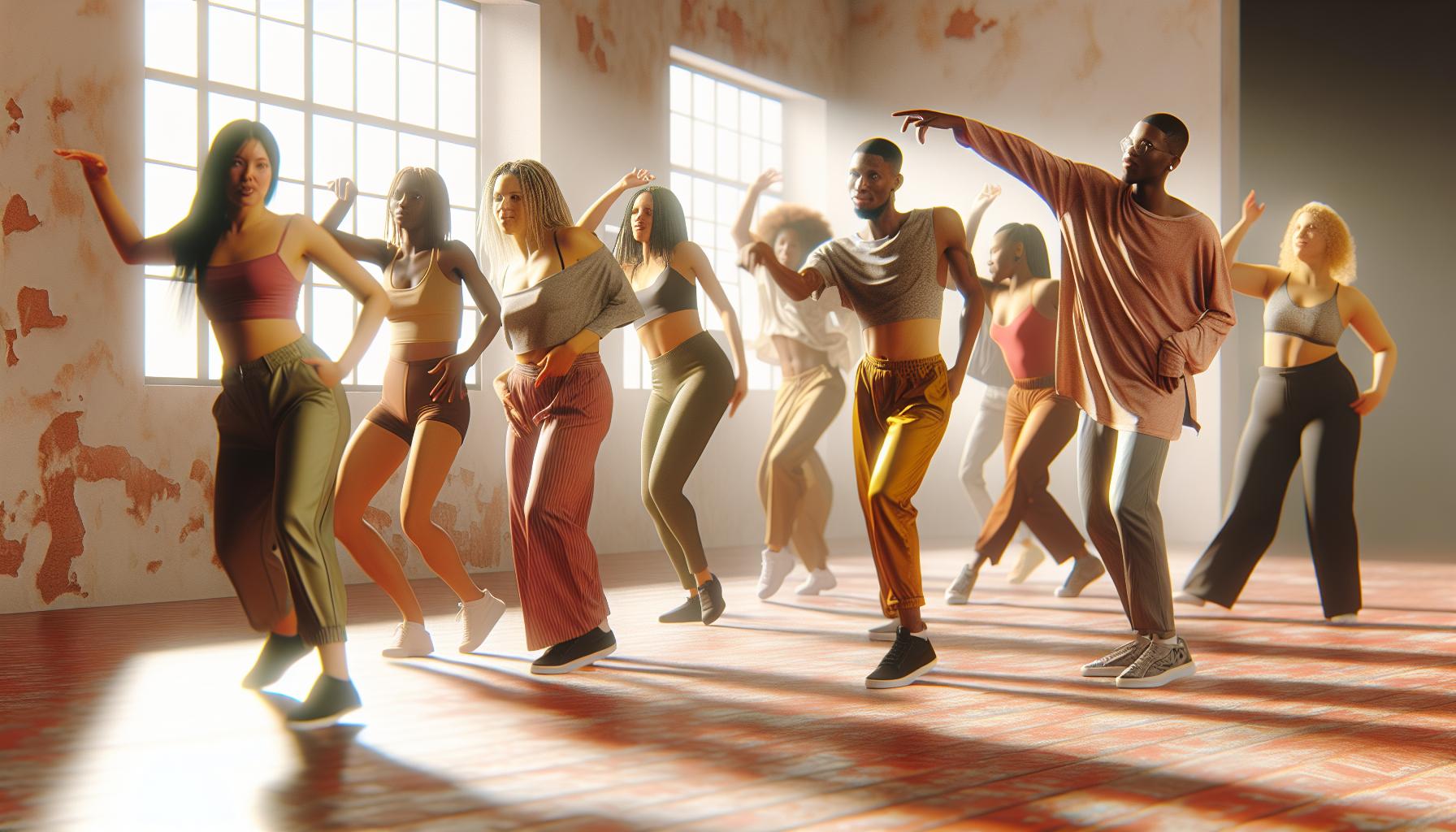
Dance has the unique power to evoke a myriad of emotions, transcending the barriers of language and culture. According to insights gathered from the recent *Dance Studio Survey: What Moves Inspire You Most?*, different dance styles resonate with participants on emotional levels that are both profound and personal. This connection often dictates the way individuals express themselves through movement, influenced by factors such as life experiences, cultural backgrounds, and personal preferences.
Expressions of Emotion Through Different Styles
Every dance style carries its own emotional weight. For instance, consider the following:
- Ballet: Known for its grace and discipline, ballet often conveys themes of beauty and struggle. Dancers might find solace in its structured movements, using them as an outlet for personal expression.
- Hip-Hop: This lively and energetic form of dance often reflects themes of empowerment and social commentary. Many dancers embrace hip-hop to channel their frustrations and joys, making it a popular choice among younger generations.
- Ballroom: With its emphasis on partnership and connection, ballroom dancing can evoke feelings of romance and nostalgia. Couples often report that dancing together enhances their emotional bond.
- Contemporary: This fluid and expressive dance form allows for personal narratives to unfold. Dancers can explore deep-rooted emotions, using movement to tell their stories in a raw and vulnerable manner.
The Influence of Community and Shared Experiences
The emotional impact of dance extends beyond the individual; it creates a tapestry of shared experiences within a community. According to the *Dance Studio Survey: What Moves Inspire You Most?*, participants often cite the camaraderie and mutual understanding found in dance classes as vital to their emotional well-being. When dancers come together, they foster an environment that supports vulnerability and allows for collective expression.
| Community Benefits | Emotional Outcomes |
|---|---|
| Group Classes | Increased confidence and comfort in movement |
| Social Events | Strengthened social bonds and a sense of belonging |
| Peer Support | Enhanced emotional resilience and growth |
In essence, the emotional landscape of dance is rich and varied. Whether someone is spinning gracefully in a ballet class or energizing the floor with hip-hop moves, the way we connect to different dance styles reflects our inner emotional world. By understanding these connections, dancers can better leverage their art form not just for self-expression, but also as a means to foster community and shared experiences. As highlighted in the *Dance Studio Survey: What Moves Inspire You Most?*, recognizing the profound impact of dance styles allows individuals to embrace a broader spectrum of emotional discovery through movement.
Exploring the Diversity of Dance Genres: Finding Your Personal Rhythm

The world of dance is as diverse as the cultures from which it springs, offering a wealth of genres that cater to various tastes, preferences, and body types. According to the findings from the “Dance Studio Survey: What Moves Inspire You Most?”, people are drawn to different styles for very personal reasons, highlighting how dance serves as a universal language and a means of individual expression.
Understanding Different Dance Styles
Each dance genre has its own unique characteristics, rhythms, and emotional expressions. By exploring a variety of styles, you can discover which one truly resonates with you. Below are some popular genres along with their distinctive features:
- Ballet: Known for its grace and precision, ballet is a foundational dance form that emphasizes technique. It often tells a story through movement and can be both classical and contemporary.
- Hip-Hop: Rooted in urban culture, hip-hop encompasses various styles such as breaking and popping. Its dynamic and energetic moves reflect individuality and can be seen in street performances worldwide.
- Jazz: A lively and expressive style, jazz dance incorporates elements of African American culture, characterized by syncopated rhythms and improvisation.
- Contemporary: This genre blends elements from ballet, jazz, and modern dance, allowing for personal interpretation and fluid movement that often explores deeper emotional themes.
- Salsa: A social dance with Latin roots, salsa is celebrated for its vibrant music and passionate moves, making it a fun choice for those who enjoy dancing with a partner.
Finding Your Personal Rhythm
Understanding your own preferences is crucial in the journey of dance exploration. Start by considering the following steps:
- Take Classes: Attend various dance classes to experience different styles firsthand. Many studios offer trial lessons, allowing you to sample everything from ballet to hip-hop.
- Watch Performances: Observing live dance shows can ignite your passion and help you see the intricacies involved in various genres. It’s an excellent way to inspire your own practice.
- Connect with Community: Join a local dance group or online forum. Engaging with others who share your interests can enhance your experience and provide feedback on your dance journey.
- Refine Your Preferences: As you explore, pay attention to what styles energize you or bring you peace. Keeping a dance journal can help track your feelings and experiences with different genres.
Conclusion: Your Dance Journey Awaits
With a plethora of dance styles inspired by the insights from the “Dance Studio Survey: What Moves Inspire You Most?”, there’s no limitation to finding the genre that speaks to you. Embrace this opportunity to express yourself and connect with others through the art of dance. Whether you’re a beginner or an experienced dancer, remember that each step taken toward discovering your rhythm is part of a much larger, joyful dance journey.
The Role of Culture in Dance Inspiration: How Heritage Influences Movement

Every dance move tells a story, echoing centuries of cultural heritage and tradition. Surprisingly, many dancers often overlook the profound connection between their art and the rich tapestry of cultural influences that shape it. As evidenced by data from the “Dance Studio Survey: What Moves Inspire You Most?”, the inspirations behind dance movements are deeply rooted in cultural experiences, personal heritage, and collective memories, highlighting how diverse influences intertwine to create unique expressions of art.
The power of cultural heritage in dance is paramount. It serves not only as a backdrop but also as a driving force behind the techniques and styles that dancers choose to embrace. Consider the following aspects of how culture plays a role in inspiring movement:
- Tradition and Technique: Many dance forms, such as ballet or Flamenco, are steeped in history, with techniques passed down through generations. These traditional styles carry cultural narratives that dancers embody through their movements.
- Storytelling: Dance is often a form of storytelling influenced by folklore and cultural tales. For example, dances like the Hula are grounded in the richness of Hawaiian mythology, providing a unique blend of movement and meaning.
- Community and Identity: Dance can forge community bonds and reflect a group’s identity. African dance, for instance, often incorporates elements of social rituals, uniting individuals through shared cultural practices, which can inspire a variety of expressive moves.
- Fusion of Styles: As cultures collide and merge, so do their dance styles. Many contemporary dancers find inspiration in blending traditional movements with modern interpretations, a notion supported by responses in the “Dance Studio Survey: What Moves Inspire You Most?”, where fusion styles rank high on the list of preferences.
These connections remind us that each dancer’s movement vocabulary is inspired by their heritage and environment, creating a beautiful tapestry of global influences. It’s important for dancers to explore the roots of their chosen styles actively. Here are steps to integrate cultural influence into your dance practice:
Ways to Incorporate Cultural Heritage into Dance
- Research Dance Forms: Dive into the histories of various dance styles. Understanding where they come from can deepen your appreciation and inform your movements.
- Attend Workshops: Participate in dance workshops that focus on specific cultural forms. Learning directly from practitioners allows for a more authentic understanding of the movements.
- Engage with Communities: Connect with cultural communities within and outside your dance studio. Immersing yourself can provide insights that enhance your dancing while respecting the tradition.
- Reflect on Personal Heritage: Consider how your own background influences your dance. Infusing personal stories into your movement can create a powerful connection to your performance.
By understanding the intricate ways culture influences dance, artists can harness the richness of their heritage, making each performance a powerful tribute that transcends individual expression to celebrate collective legacies. Whether it’s embracing classical traditions or experimenting with fusion, the journey of integrating cultural elements into dance continues to inspire and innovate across studios worldwide.
Technique vs. Expression: Balancing Skill and Passion in Dance
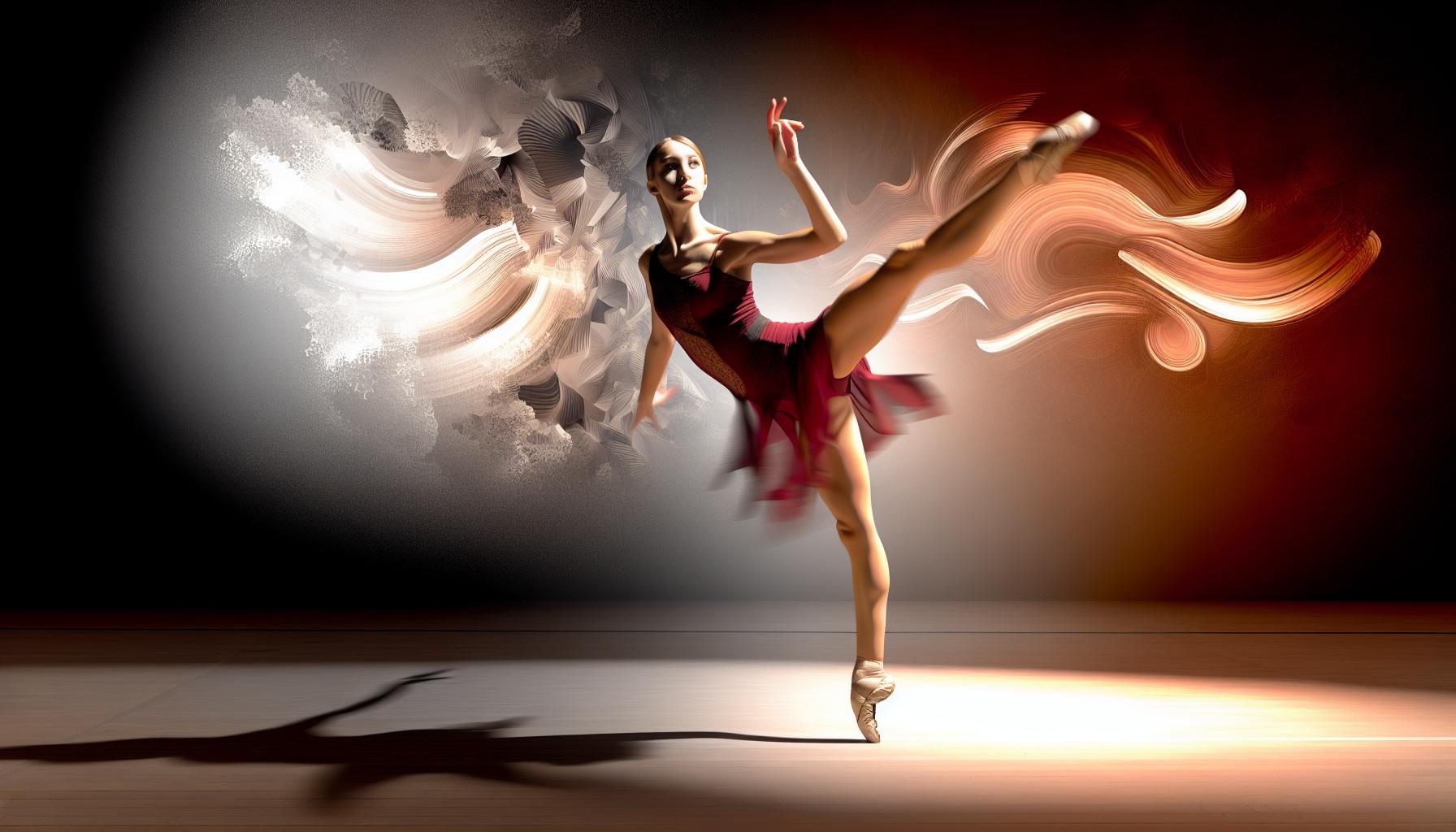
The enchanting world of dance is often perceived as a beautiful blend of technical prowess and heartfelt expression. A quick glance at the results from the recent Dance Studio Survey: What Moves Inspire You Most? reveals that students and teachers alike connect deeply with both the refined skill set required to perform and the emotional storytelling that dance embodies. This duality raises the vital question of how to strike a balance between rigorous technique and personal expression, essential for any dancer’s growth and success.
Technique: The Foundation of Dance
Technique is the backbone of all dance forms. It allows dancers to execute movements safely and effectively, providing them with the tools to explore their artistry fully. Key elements within technique include:
- Body Alignment: Proper alignment reduces the risk of injury and enhances the overall aesthetic of movement.
- Flexibility: Greater flexibility expands a dancer’s range of motion, enabling them to perform more complex choreography.
- Strength: Building core strength supports stability and control during performances.
- Musicality: Understanding rhythm and timing allows dancers to sync seamlessly with music.
While mastering these elements may require discipline and dedication, they form an essential base upon which dancers can build their unique styles. For instance, a ballet dancer with exceptional technique will have the finesse to transform even the simplest dance into a breathtaking expression of artistry.
Expression: The Heart of Dance
While achieving technical mastery is crucial, the essence of dance lies in its ability to convey emotion and connect with an audience. Dancers who focus solely on perfecting their technique may create visually appealing performances, but without the spark of personal expression, something vital is often missing. Some key aspects of expression in dance include:
- Storytelling: Every dance tells a story. Whether it’s through facial expressions or movements, dancers should strive to connect with the narrative behind the choreography.
- Individuality: Embracing one’s unique approach to dance can lead to inspiring performances that resonate on a personal level.
- Connecting with the Audience: Engaging viewers emotionally can elevate a performance from ordinary to extraordinary, leaving lasting impressions.
An excellent example comes from recent survey responses highlighting styles that resonate. Many dancers indicated a strong attraction to genres that allow for improvisation, such as contemporary and hip-hop, where expression often takes precedence over rigid formality.
Finding the Sweet Spot
The key to balancing technique and expression lies in integration. Dancers should pursue rigorous training to hone their skills while also exploring creative avenues that ignite their passion. Practical steps to achieve this balance include:
| Steps to Balance Technique and Expression | Description |
|---|---|
| Regular Technique Classes | Commit to consistent training in foundational styles to strengthen technical skills. |
| Explore Different Styles | Dabble in various dance forms to find what resonates personally, fostering creativity. |
| Performance Opportunities | Participate in showcases to practice combining technique with on-stage presence. |
| Feedback and Reflection | Seek constructive criticism to refine technique while encouraging personal insights and growth. |
Though the results of the Dance Studio Survey: What Moves Inspire You Most? illustrate diverse opinions on the importance of technique versus expression, the true artistry of dance emerges from a harmonious blend of both. By cultivating a strong technical foundation and embracing personal expression, dancers can develop their styles and connect more profoundly with their audience.
How Dance Trends Evolve: What’s Capturing Hearts in Studios Today
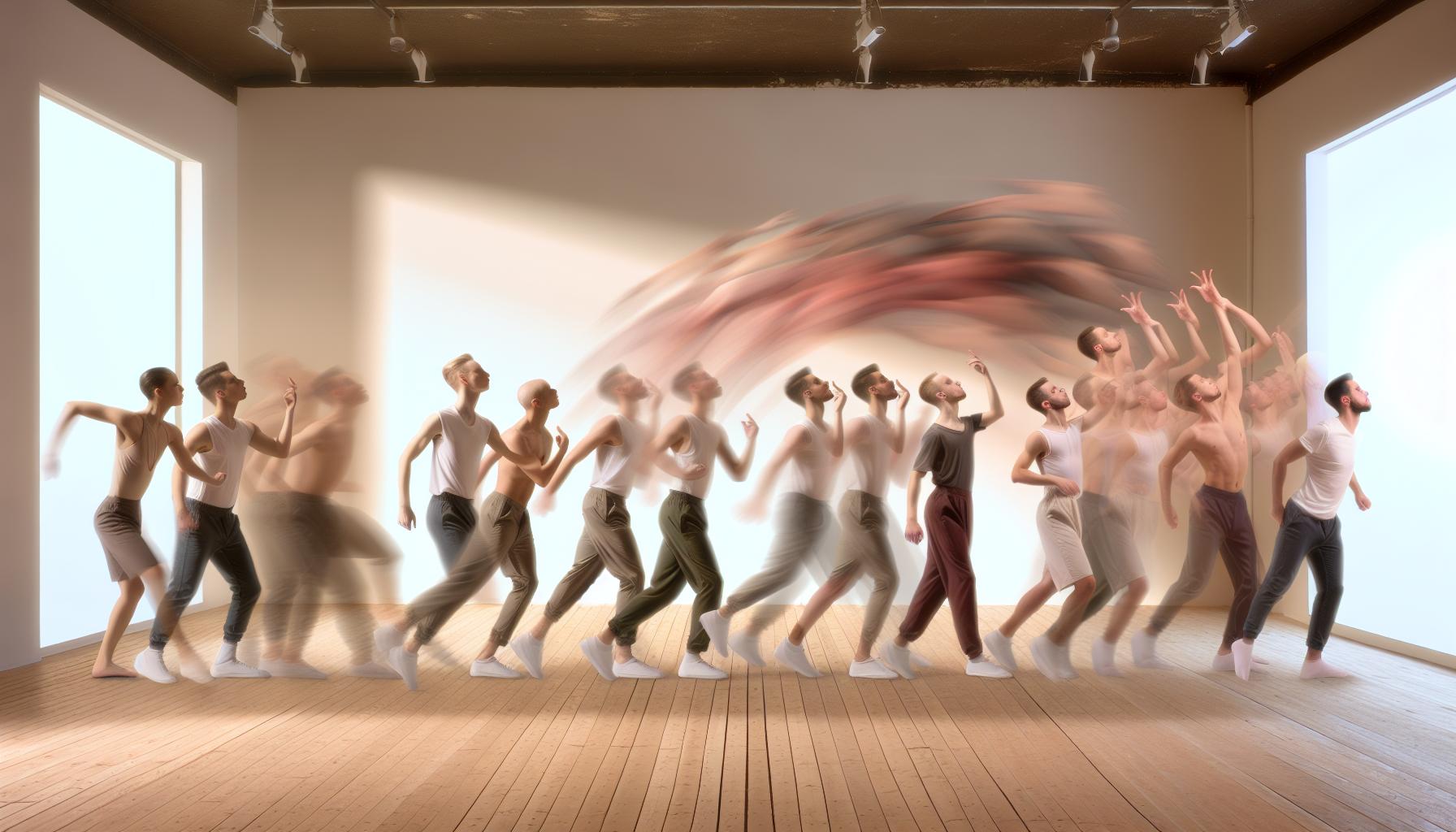
Dance is a continually evolving art form that reflects the shifting cultural landscape. In studios today, trends are influenced not only by traditional styles but also by viral sensations on platforms like TikTok. As popular music changes and social media grows, what inspires dancers can shift dramatically, highlighting the need for studios to stay current. Engaging in strategies that highlight these trends while also encouraging individual expression can create dynamic class environments and foster community.
Current Influences in Dance Studios
Today, many dancers are embracing styles that blend various genres, including hip-hop, contemporary, and even traditional ballroom. Artists like Lizzo and Dua Lipa have inspired moves that incorporate fierce self-expression and playful choreography. This fusion of styles is evident in the current TikTok dances, like the “Want Some More” dance challenge, which encourages participants to share their unique interpretations alongside their friends, enhancing the joy of dance through collaboration and fun [[1](https://slayingsocial.com/tiktok-trends-right-now/)].
To understand what truly captures the hearts of dancers in studios, consider these key aspects that emerge from the Dance Studio Survey: What Moves Inspire You Most?:
- Community Engagement: Dancers are motivated by the community aspect, often participating in group classes where the atmosphere fosters connection and support.
- Accessibility: Many trends focus on easy-to-learn moves that don’t require advanced skills, making dance more inclusive.
- Diverse Genres: There is an increasing interest in workouts that blend dance with fitness, such as Zumba or Dance Cardio, which make classes more engaging and varied.
Practical Steps for Studios
To effectively incorporate these trends, dance studios can consider implementing mixed-genre classes that allow freedom of expression while still appealing to popular styles. Providing workshops on trending dances can keep students engaged and excited to participate. By surveying students regularly, studios can stay ahead of the curve, adapting their offerings to meet the evolving interests captured in the Dance Studio Survey: What Moves Inspire You Most? This proactive approach allows studios to celebrate current trends while nurturing the creative spirit of their dancers.
One practical tip for studio owners is to create a digital space, such as a social media group, where students can share their dance videos inspired by trending challenges and styles. This not only builds a sense of belonging but also helps in analyzing what is resonating with participants, thereby constantly refining the dance experience offered.
Feedback from the Floor: What Dance Studio Leaders Say About Student Inspiration

In the vibrant world of dance, inspiration flows as freely as music in a studio. Dance leaders are the unsung heroes who cultivate this creative energy, shaping the next generation of performers. Their insights from the recent survey reveal not just what motivates students, but also how specific movements resonate deeply within the dance community. These perceptions not only highlight trends but also influence teaching methods and curriculum design across studios.
Insights from Dance Studio Leaders
The feedback gathered from dance studio leaders in the Dance Studio Survey: What Moves Inspire You Most? demonstrates a diverse range of inspirational sources. Leaders reported that the motivation behind students’ passion often stems from both classic forms and contemporary styles. Here are some notable responses:
- Emotional Connection: Many leaders emphasized the importance of emotional storytelling in dance. Students are inspired by performances that convey deep feelings, pushing them to express themselves similarly.
- Innovative Choreography: Contemporary blends of hip-hop and ballet emerged as particularly motivating, encouraging students to explore their limits while incorporating various styles.
- Influence of Role Models: The presence of skilled instructors and professional dancers served as strong motivators. Leaders noted how young dancers often model their movements after admired figures in the industry.
Real-World Applications
Understanding what inspires students can lead to more tailored teaching practices. For example, implementing “emotionally charged” dance routines can enhance engagement in classes. One studio leader shared that integrating storytelling elements into their choreography not only captured the attention of students but also fostered a supportive environment for personal expression.
Furthermore, the survey highlighted that incorporating community elements, like performance showcases or workshops with guest artists, can invigorate students’ passion for dance. For instance, engaging well-known dancers for a weekend workshop not only improves technique but also ignites students’ enthusiasm as they witness their idols in action.
| Source of Inspiration | Percentage of Leaders Supporting This |
|---|---|
| Emotional Connection | 65% |
| Innovative Choreography | 52% |
| Influence of Role Models | 58% |
| Community Engagement | 45% |
By utilizing insights from the Dance Studio Survey: What Moves Inspire You Most?, studio leaders can harness these motivations to create enriching environments that foster inspiration, creativity, and a lifelong love for dance. The collective wisdom of these leaders serves as a valuable resource for enhancing student engagement and success within the studio setting.
Practical Tips to Discover Your Dance Style: Explore, Experiment, Enjoy!
The journey to discovering your unique dance style can be as exhilarating as the first time you step onto the dance floor. Whether you’re a seasoned dancer recalling moments from the *Dance Studio Survey: What Moves Inspire You Most?*, or a curious beginner exploring the vast world of movement, finding your rhythm and voice can be both enjoyable and enlightening. Here are some practical tips to help you navigate this exciting path.
Explore Different Dance Genres
The first step in identifying your dance style is diving into various genres. Each type of dance offers something unique, appealing to different emotions and physical expressions. Consider the following genres:
- Ballet: Known for its grace and technique, ballet can enhance your posture and elegance.
- Hip-Hop: High-energy and expressive, hip-hop allows for personal storytelling through movement.
- Jazz: A lively style with a range of movements that emphasizes rhythm and fun.
- Contemporary: Blending elements of several dance forms, contemporary offers freedom in expression and creativity.
By attending classes, watching performances, and studying videos online, you can glean insights into what feels right for you. Experimenting with different styles will provide you with a broader perspective and may surprise you with which movements resonate.
Experiment with Creative Movement
Once you’ve explored various genres, it’s time to let loose and experiment with your own take on those styles. Here are some suggestions to get you started:
- Freestyle Sessions: Spend time in a relaxed environment where you can move freely to your favorite music, allowing your body to respond naturally.
- Challenge Yourself: Try incorporating steps from different styles into your routine, perhaps a jazz turn in a hip-hop routine.
- Journaling Movement: Keep a dance journal where you document your experiences and feelings after trying a new style or movement. This can help illuminate trends in what brings you joy.
Feel free to share your creative outputs with friends or online communities, as feedback can enhance your learning experience.
Engage with the Dance Community
Immersing yourself in a vibrant dance community can significantly enrich your journey. Connecting with others can expose you to new ideas and styles, as highlighted in the *Dance Studio Survey: What Moves Inspire You Most?* Here’s how to engage:
- Attend Workshops: Look for local or online workshops that introduce new styles or techniques.
- Join Dance Groups: Participating in group classes or community dance events can spark inspiration and provide support.
- Social Media Platforms: Follow dancers and choreographers on social media to absorb diverse content and styles that inspire you.
By connecting with fellow dance enthusiasts, you’ll be motivated to explore and refine your style further.
| Dance Style | Key Characteristics | Why It’s Unique |
|---|---|---|
| Ballet | Graceful, structured, and disciplined | Foundation for many dance forms; promotes strength and flexibility |
| Hip-Hop | Energetic, rhythmic, expressive | Empowerment through self-expression and storytelling |
| Jazz | Lively, fun, and spirited | Combines elements of traditional music with improvisation |
| Contemporary | Fluid, emotional, and evolving | Emphasizes creativity and individual exploration |
By exploring, experimenting, and engaging with the community, you not only enhance your dance skills but also deepen your love for this art form. Dive in, enjoy the process, and let your unique dance style shine!
FAQ
What is the Dance Studio Survey: What Moves Inspire You Most?
The Dance Studio Survey: What Moves Inspire You Most? is a comprehensive questionnaire designed to gather insights on the styles and elements of dance that resonate most with participants. It aims to understand how different dance movements influence creativity and expression.
By compiling responses, dance studios can tailor their classes and programming to better meet the needs of their students. This survey can highlight trends in popular dance styles, helping educators stay relevant and informed about what inspires their community.
How can participation in the Dance Studio Survey help improve dance classes?
Participation in the Dance Studio Survey can significantly enhance the quality and appeal of dance classes. By sharing your insights, you provide valuable feedback that studios can use to align their offerings with student preferences.
For example, if many participants express a desire for more hip-hop classes, studios can introduce or expand these sessions. Ultimately, your input helps create a more engaging and fulfilling dance experience for everyone involved.
Can I participate in the Dance Studio Survey if I am a beginner?
Yes, absolutely! The Dance Studio Survey: What Moves Inspire You Most? encourages participation from dancers of all skill levels, including beginners. Your unique perspective is valuable and helps shape a more inclusive dance community.
Every dancer has different inspirations and experiences, and beginners can share what attracted them to dance in the first place. This diversity of opinions enriches the feedback and promotes growth within the studio environment.
Why does the Dance Studio Survey focus on inspiration?
The Dance Studio Survey focuses on inspiration because understanding what motivates dancers can lead to more dynamic and appealing classes. Knowing what moves inspire emotions can transform how instructors design their lessons.
Inspiration is a key driver of creativity in dance, and when studios tap into this, they can foster a more enjoyable and fulfilling learning experience. By focusing on inspiration, studios can encourage students to explore their creativity and develop a deeper connection to dance.
What type of questions are included in the Dance Studio Survey?
The Dance Studio Survey: What Moves Inspire You Most? includes a variety of questions that aim to uncover participants’ favorite dance styles, techniques, and emotional connections to movement. Questions may range from style preferences to what facets of dance make participants feel most engaged.
By gathering this information, studios can better understand what resonates with their community, ultimately allowing them to create tailored dance experiences that align with the interests and inspirations of their students.
How often is the Dance Studio Survey conducted?
The Dance Studio Survey: What Moves Inspire You Most? may be conducted annually or semi-annually, depending on the studio’s goals and the evolving needs of the dancers. This regular feedback loop allows studios to stay connected with their community.
Conducting the survey frequently also helps identify shifts in trends or interests among dancers. This adaptability ensures that programming remains fresh and relevant, promoting a vibrant and inspiring dance atmosphere.
Where can I find the results of the Dance Studio Survey?
Results from the Dance Studio Survey: What Moves Inspire You Most? can typically be found on the studio’s official website or via newsletters. Many studios share insights to keep participants informed about community preferences.
These results not only acknowledge participant input but also provide valuable information on how the studio plans to adapt its offerings based on the collective feedback. Staying updated on these findings can further engage participants in the studio’s growth.
Insights and Conclusions
As we wrap up our exploration of what moves inspire dancers through the findings of our Dance Studio Survey, it’s clear that the heart of dance lies in the emotional connections and diverse experiences we all bring to the floor. From the thrill of a fast-paced jazz number to the meditative flow of contemporary dance, each style offers unique pathways for expression and creativity.
We’ve delved into how music, personal stories, and even cultural influences shape our dance preferences, revealing insights backed by research that affirm the profound impact dance has on our well-being and community connections. Remember, whether you’re looking to refine your technique or simply explore new styles, the dance world is as expansive as it is inviting. Consider experimenting with a new class, collaborating with a fellow dancer, or even reflecting on your personal journey to find your own unique rhythm.
We encourage you to leverage these insights in your own dance practice and community. Join discussions, share your experiences, and maybe even conduct your own mini-surveys among fellow dancers to foster deeper connections and inspiration. The dance floor is not just a place to move; it’s a vibrant space of shared experiences and stories waiting to be discovered. Keep the conversation going, explore further, and let your unique dance story unfold.