As our planet grapples with the alarming rates of forest loss, the pressing question arises: how concerned is the public about deforestation? Understanding public sentiment is crucial for driving meaningful change. This survey delves into attitudes towards environmental conservation, aiming to galvanize action and foster a collective commitment to preserving our forests.
Understanding Deforestation: What You Need to Know
The loss of forests is not just a matter of cutting down trees; it represents a profound environmental crisis with far-reaching implications for biodiversity, climate stability, and human health. According to the World Wildlife Fund, approximately 10 million hectares of forest are lost each year, an area roughly the size of Iceland. Understanding the drivers and consequences of deforestation can spur individuals and communities to take meaningful action.
Key Drivers of Deforestation
A few primary factors contribute to the ongoing challenge of deforestation:
- Agricultural Expansion: This is the leading cause of deforestation, especially in tropical regions. Land is cleared to make way for crops and livestock, often driven by rising global food demand.
- Logging: Both legal and illegal logging operations significantly contribute to forest loss. Timber, paper, and palm oil products frequently source from deforested areas.
- Infrastructure Development: The construction of roads, urban areas, and other forms of infrastructure can fragment forests and lead to significant habitat loss.
- Climate Change: Ironically, while forests play a critical role in mitigating climate change, their destruction exacerbates global warming and further threatens forest ecosystems.
The Consequences of Deforestation
The implications of ongoing forest loss are dire and multifaceted. Here are some of the key consequences that underscore the urgency of acting against deforestation:
| Impact | Description |
|---|---|
| Biodiversity Loss | Forests are home to 80% of terrestrial species. Their destruction leads to habitat loss and threatens numerous species with extinction. |
| Climate Change | Trees absorb carbon dioxide, and removing them releases significant amounts of greenhouse gases, further accelerating global warming. |
| Soil Erosion | Without tree roots to anchor soil, the land becomes vulnerable to erosion, leading to decreased agricultural productivity and water quality issues. |
| Impact on Indigenous Communities | Many indigenous cultures depend on forests for their livelihoods and spirituality, and deforestation threatens their existence and knowledge. |
By participating in initiatives like “Deforestation Survey: Gauge Public Concern & Inspire Change,” individuals and communities can raise awareness and promote action. Whether volunteering with local conservation groups, reducing paper consumption, or advocating for sustainable forestry practices, everyone has a role to play in combating deforestation. Awareness and education will not only foster public concern but also inspire actionable change towards protecting our planet’s invaluable forest resources.
The Impact of Deforestation on Our Planet and Communities
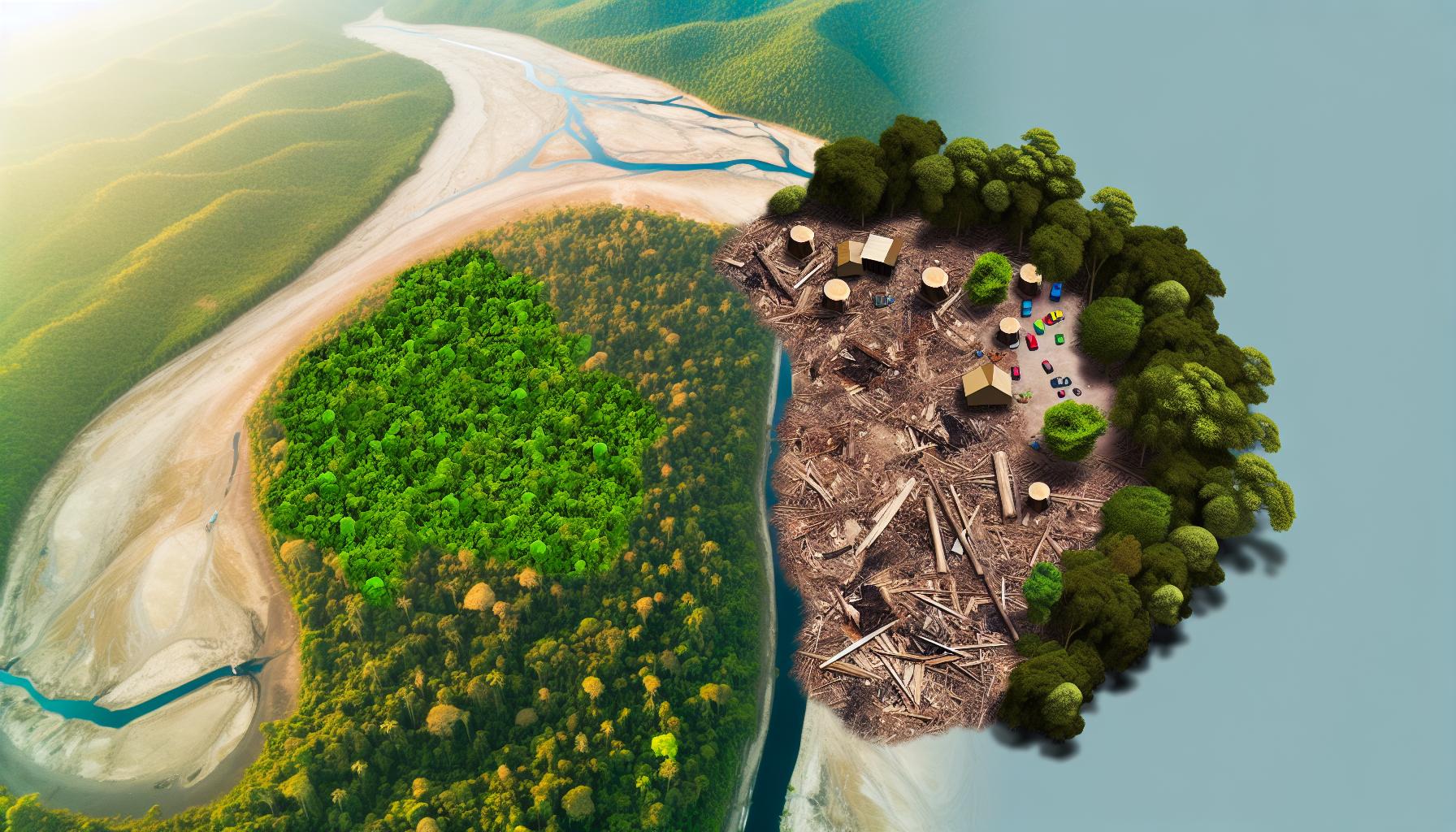
The alarming rate of deforestation represents one of the most severe environmental crises facing our planet today. Each year, millions of acres of vital forest cover are lost, with significant repercussions for biodiversity, climate stability, and local communities. Tropical forests, often referred to as the lungs of our Earth, are not just home to half of the world’s terrestrial species; they also play a crucial role in sequestering carbon dioxide and regulating our climate. The statistics are staggering: deforestation contributes to approximately 15% of global greenhouse gas emissions, highlighting its critical impact on climate change.
Consequences for Biodiversity and Ecosystems
When trees are felled, the intricate ecosystems that depend on them crumble. The loss of habitat leads to a drastic decline in wildlife populations, with countless species facing extinction. A single deforested area can disrupt entire food chains and ecosystems, resulting in a loss of biodiversity that cannot be easily restored. Furthermore, deforestation also affects the water cycle; forests are essential for maintaining humidity levels and influencing rainfall patterns. Regions that experience significant tree loss often find themselves in prolonged droughts, affecting agriculture and freshwater supplies.
Impact on Local Communities
The implications of deforestation extend beyond ecological concerns, significantly impacting human populations, particularly indigenous communities. Many of these communities rely on the forest for their livelihoods, utilizing its resources for food, shelter, and medicines. When forests are destroyed, these communities face not only economic hardship but also a loss of cultural identity tied to their ancestral lands. As deforestation accelerates, conflicts over land use intensify, often leading to social strife and displacement. Moreover, the economic benefits from deforestation, such as logging and agriculture, are often short-lived, failing to provide sustainable opportunities for local people.
To combat these challenges, public awareness and transformation of individual and collective behaviors are essential. The findings from the “Deforestation Survey: Gauge Public Concern & Inspire Change” highlight the need for community engagement and actionable steps toward sustainable practices. Individuals can contribute by supporting initiatives that promote reforestation and sustainable land use, advocating for policies aimed at protecting vulnerable ecosystems, and making conscientious choices about products they consume.
By understanding the profound impacts of deforestation on both our planet and its inhabitants, we can foster a culture of accountability and responsibility, encouraging not just awareness but active participation in preserving the fragile balance between humanity and nature.
Survey Insights: How Public Awareness Shapes Environmental Action

In the realm of environmental activism, public awareness emerges as a powerful catalyst for change. Recent findings from the Deforestation Survey: Gauge Public Concern & Inspire Change highlight that as individuals become more informed about the repercussions of deforestation, they are more likely to take action, both individually and collectively. This recognition of our environmental footprint can drive a grassroots movement that influences policies and conservation strategies globally.
Understanding Public Sentiment
The recent survey reveals critical insights into how public sentiment surrounding deforestation has shifted. Participants were asked about their awareness of local and global deforestation efforts, and the results were telling:
| Awareness Level | % of Respondents |
|---|---|
| Highly Aware | 33% |
| Moderately Aware | 45% |
| Low Awareness | 22% |
With a combined total of 78% of respondents indicating at least moderate awareness, it is clear that there is a substantial base of informed citizens who can drive change. This data emphasizes the need for continuous educational initiatives—informing the public not only enhances their understanding but also empowers them to act.
Public Actions Inspired by Awareness
The most compelling takeaway from the Deforestation Survey is that awareness translates directly into action. Here are some notable ways in which increased public concern has manifested into tangible environmental actions:
- Advocacy for Sustainable Practices: Individuals have begun advocating for local businesses to adopt sustainable sourcing practices, influencing corporate behavior.
- Participation in Reforestation Projects: Community-driven reforestation programs have seen surges in participation, where citizens dedicate time and resources to plant trees in deforested areas.
- Policy Engagement: A more informed populace is increasingly engaging with policymakers to push for stronger environmental regulations and protections against deforestation.
- Support for NGOs: Many individuals are extending their support to non-governmental organizations focused on conserving forests and educating others about the importance of biodiversity.
By cultivating this level of awareness, communities can create a ripple effect, encouraging others to join the cause. The survey strongly indicates that when people are educated about the consequences of deforestation, they are motivated to mobilize, benefitting local and global ecosystems in the process.
Actionable Steps for Individuals
To further harness this momentum, individuals should consider the following actions inspired by the survey results:
- Stay Informed: Regularly engage with credible sources for updates on deforestation and conservation efforts.
- Share Knowledge: Use social media platforms and community gatherings to spread awareness about the impacts of deforestation.
- Join Local Initiatives: Participate in or start local campaigns aimed at protecting green spaces and advocating against deforestation.
- Make Sustainable Choices: Opt for products that are certified sustainable, which can be a simple yet effective means of reducing demand for timber sourced from deforested areas.
As demonstrated through the findings of the Deforestation Survey, elevating public awareness is not merely a responsibility; it is an opportunity to inspire real change and safeguard our planet for future generations.
Engaging Local Communities: Strategies for Sustainable Solutions

The alarming rate of deforestation globally has raised a clarion call for communities to unite and actively participate in preserving their local environments. Engaging local communities in tailored conservation strategies not only fosters awareness but also builds a sense of ownership over natural resources, which is crucial for lasting change. Research from the *Deforestation Survey: Gauge Public Concern & Inspire Change* indicates that when communities are informed about the direct consequences of deforestation, there’s a marked increase in their willingness to take action toward sustainable solutions.
Creating Awareness Through Education
A critical strategy in mobilizing local communities is through education. By disseminating information regarding the ecological, economic, and social impacts of deforestation, we empower residents to become advocates for change. Schools, workshops, and community gatherings serve as excellent platforms for fostering knowledge. Consider implementing programs that cover:
- The importance of forests in carbon sequestration and climate regulation
- Local biodiversity and the role of indigenous species
- Sustainable agricultural practices to reduce dependence on deforestation
To illustrate the effectiveness of education, a local initiative in Brazil’s Amazon rainforest saw rural communities adopt agroforestry techniques after a series of workshops. This shift not only improved local livelihoods but also helped mitigate deforestation pressures.
Building Partnerships for Impact
Strengthening ties within the community, as well as with NGOs and governmental agencies, can significantly amplify efforts toward sustainability. Collaborative programs can lead to innovative solutions tailored to meet specific local challenges. A successful example can be seen in Costa Rica, where residents partnered with environmental organizations to form community patrols that monitor illegal logging activities. By establishing a direct line of communication with local authorities, these groups have managed to not only curb deforestation but also educate their peers about sustainable practices.
When considering partnership strategies, communities can:
- Organize joint initiatives such as tree planting days
- Host community forums to discuss local environmental issues
- Share resources and experiences with other regions facing similar challenges
Utilizing Technology for Sustainable Solutions
Integrating technology can provide innovative pathways to engage communities more effectively in conservation efforts. Mobile applications and social media platforms can be used to gather feedback and share success stories, thereby fostering a sense of community and shared purpose. For instance, an initiative in Indonesia leveraged a mobile app that enabled villagers to report illegal logging in real time. The app not only facilitated immediate action from authorities but also cultivated a proactive culture among residents.
Moreover, data collected through platforms related to the *Deforestation Survey: Gauge Public Concern & Inspire Change* can be instrumental in tailoring community programs to improve satisfaction and engagement. Analyzing feedback on community programs aids in understanding what strategies resonate most effectively with local populations, guiding future initiatives toward common goals.
By employing these multifaceted strategies to engage local communities, we can cultivate an enduring commitment to sustainable practices that not only protect our forests but also enhance community well-being.
Empowering Change: Practical Steps to Combat Deforestation

Do you know that over 13 million hectares of forest are lost each year, an area roughly the size of Nicaragua? This staggering rate of deforestation not only threatens biodiversity but also accelerates climate change and disrupts the livelihoods of millions. Addressing this urgent issue requires a collective effort where individuals, communities, and organizations can make a substantial impact. Understanding how to empower real change starts with actionable steps that everyone can take, inspired by the findings of the Deforestation Survey: Gauge Public Concern & Inspire Change.
Understand Your Role
Recognizing how your personal choices contribute to deforestation is fundamental. From food consumption to the products you buy, each decision matters. Educating yourself on the specific products and practices that contribute to forest loss can significantly enhance your capacity to advocate for change. Here are some strategies to consider:
- Support Sustainable Products: Look for certifications such as FSC (Forest Stewardship Council) or Rainforest Alliance on products, ensuring they come from sustainable sources.
- Reduce Meat Consumption: The livestock industry is a major driver of deforestation. Increasing plant-based meals can lessen this demand.
- Advocate for Reforestation: Engage in or support local reforestation initiatives to help restore lost ecosystems.
Engagement and Advocacy
Community involvement is crucial in combating deforestation. By collaborating with local organizations, you can amplify your impact. Utilize platforms inspired by the Deforestation Survey: Gauge Public Concern & Inspire Change to connect with like-minded individuals and drive action. Here’s how you can engage:
- Join Local Conservation Groups: Participate in tree-planting events or clean-up initiatives in your area.
- Raise Awareness: Use social media to inform your network about deforestation issues and share insights from surveys and studies.
- Contact Local Representatives: Advocate for policies that protect forests and promote sustainable practices within your community.
Support Responsible Companies
Each purchase power is a vote for the practices of a company. By prioritizing brands that have committed to sustainability and ethical sourcing, you can help drive the market towards eco-friendliness. Here’s a table highlighting essential aspects to consider when choosing responsible companies:
| Company Name | Sustainability Practices | Certifications |
|---|---|---|
| Example Corp A | 100% recycled materials | FSC Certified |
| Example Corp B | Zero deforestation policy | Rainforest Alliance Certified |
| Example Corp C | Sustainable palm oil sourcing | RSPO Certified |
Utilizing insights from the Deforestation Survey: Gauge Public Concern & Inspire Change can enhance your understanding of consumer influence. By making informed choices, you create demand for sustainable practices and encourage businesses to prioritize the planet.
Taking these practical steps enables individuals to play a pivotal role in addressing deforestation. It showcases that meaningful change is possible when we work together, empowered by awareness and an unwavering commitment to our forests.
The Role of Technology in Tracking Deforestation Trends

As the world grapples with climate change and its far-reaching impacts, the urgency to monitor deforestation has never been more critical. In recent years, significant technological advancements have provided us with powerful tools to track and analyze deforestation trends effectively. Utilizing satellite imagery, drones, and machine learning algorithms, scientists and environmentalists can gain unprecedented insights into forest depletion, offering a more accurate picture of the global deforestation crisis.
Transformative Technologies in Deforestation Tracking
The integration of technology into environmental monitoring has revolutionized how we approach the ongoing battle against deforestation. Key innovations include:
- Satellite Imagery: Systems like NASA’s Landsat and ESA’s Sentinel missions allow for high-resolution images of Earth’s surface, enabling the detection of land-use changes over time with remarkable precision.
- Drones: Equipped with cameras and sensors, drones can cover remote and hard-to-reach areas, providing real-time data and images that help in assessing forest conditions and logging practices.
- Machine Learning: Advanced algorithms can process voluminous data sets, identifying patterns and anomalies that signify deforestation activities, thus alerting decision-makers promptly.
These technologies not only enhance the accuracy of deforestation reporting but also enable proactive response strategies. For instance, the Forest Watch satellite monitoring system has helped reduce illegal logging activities in various regions by providing governments and NGOs with the data needed for effective enforcement.
Case Studies Demonstrating Impact
Real-world applications of technological solutions highlight the effectiveness of these tools in influencing public concern and inspiring change. For instance, in countries like Brazil, the Brazilian National Institute for Space Research (INPE) utilizes satellite imagery to monitor deforestation in the Amazon rainforest. By regularly releasing deforestation data, they keep the public informed and engaged, fostering a culture of accountability among industries and government agencies.
Moreover, platforms like Global Forest Watch allow users to access real-time deforestation data globally. By raising awareness and informing stakeholders, these platforms empower communities and individuals to advocate for sustainable practices and engage in conservation efforts actively.
| Technology | Description | Impact |
|---|---|---|
| Satellite Imagery | High-resolution earth imaging for monitoring changes. | Improved accuracy in tracking deforestation rates. |
| Drones | Real-time aerial data capture for remote areas. | Enhanced response to illegal logging. |
| Machine Learning | Data analysis to identify trends and predict future deforestation. | Proactive identification of critical areas for conservation. |
Embracing these technologies not only equips us with the necessary tools to combat deforestation but also fosters a global community that recognizes the importance of preserving our forests. As we continue to gauge public concern and inspire change through initiatives like the Deforestation Survey, leveraging technology remains a cornerstone in safeguarding our planet’s precious resources.
Join the Movement: How to Advocate for Forest Conservation

With nearly 18 million acres of forest lost each year, the urgency for action has never been greater. Forests are crucial for biodiversity, climate regulation, and supporting livelihoods. Engaging in forest conservation advocacy is essential, and anyone can be a part of the solution. By leveraging the insights from the “Deforestation Survey: Gauge Public Concern & Inspire Change,” individuals and communities can mobilize their efforts effectively.
Understand the Issues
To advocate for forest conservation effectively, it starts with understanding the scope of the problem. Deforestation is driven by various factors including agriculture expansion, logging, and urban development. Recognizing these issues empowers advocates to communicate the necessary changes needed to address the roots of deforestation. Educational initiatives, such as workshops or seminars, can help increase public awareness and galvanize support for conservation measures.
Engage with Your Community
Grassroots movements can be incredibly powerful. Here are some actionable steps to engage your community in forest conservation efforts:
- Organize Clean-Up Events: Plan tree planting or clean-up activities in local parks and forests to foster community involvement.
- Start Local Advocacy Groups: Collaborate with like-minded individuals to form a coalition focused on forest preservation initiatives.
- Utilize Social Media: Share information and updates on local conservation efforts, encouraging more individuals to participate and educate themselves on the causes of deforestation.
Leverage Policy Change
Advocacy can also take a political route. Working towards policy changes can have a significant impact on forest conservation. Here’s how:
- Contact Your Representatives: Use insights from the Deforestation Survey to articulate the importance of their support in forest conservation legislation.
- Participate in Public Hearings: Attend local government meetings to voice your concerns about deforestation and advocate for sustainable land-use policies.
- Support Environmental Nonprofits: Consider volunteering or donating to organizations that are already fighting against deforestation and promoting sustainable forestry practices.
Implement Sustainable Practices
Promoting personal and organizational responsibility in forest conservation is vital. Encourage sustainable practices like reducing paper use, supporting products with sustainable sourcing certifications, and advocating for replica conservation standards in businesses. Every small action contributes to a larger movement. By adopting and promoting eco-friendly practices, individuals can make a tangible difference in the health of our forests.
By becoming informed and taking decisive action, everyone can join the movement for forest conservation. Utilizing the insights from the “Deforestation Survey: Gauge Public Concern & Inspire Change” can inspire unique advocacy strategies that truly make a difference in protecting one of our planet’s most vital resources.
Q&A
What is the Deforestation Survey: Gauge Public Concern & Inspire Change?
The Deforestation Survey: Gauge Public Concern & Inspire Change is a comprehensive study aimed at understanding how people perceive deforestation and its impact. It gathers insights from diverse populations to raise awareness and inspire actionable change towards forest conservation.
This survey operates as a crucial tool for environmental organizations, policymakers, and community leaders, helping to align efforts against deforestation. By analyzing public attitudes and knowledge gaps, stakeholders can formulate targeted strategies that encourage sustainable practices and responsible resource management. For deeper insights on deforestation, visit our article on the effects of deforestation.
Why does public concern matter in deforestation efforts?
Public concern plays a pivotal role in driving action against deforestation. When community members prioritize forest conservation, it leads to increased advocacy and support for sustainable policies and practices.
Awareness fosters a collective responsibility among individuals, prompting them to make environmentally friendly choices. Additionally, policymakers are more likely to address environmental issues when they see that constituents are passionate and informed. Engaging communities through surveys like the Deforestation Survey can amplify this concern.
How can I participate in the Deforestation Survey?
You can participate in the Deforestation Survey: Gauge Public Concern & Inspire Change by visiting its official website or participating in local community forums. These platforms often provide an easy interface to share your thoughts.
Participation typically involves answering questions that gauge your awareness, attitudes, and ideas toward deforestation. Your input is crucial for shaping future initiatives aimed at combating this pressing issue. Community involvement can significantly bolster national and global reforestation efforts.
What can I do to help reduce deforestation based on survey findings?
Based on findings from the Deforestation Survey, you can take several impactful steps to reduce deforestation. Simple actions include reducing paper usage, supporting sustainable products, and advocating for reforestation initiatives.
Moreover, educate friends and family about the importance of forests and ways they can contribute. Every individual’s efforts can accumulate, promoting a larger movement towards forest conservation. Engaging with local organizations can also enhance your impact.
Can I access the results of the Deforestation Survey?
Yes, the results of the Deforestation Survey: Gauge Public Concern & Inspire Change are usually published on the survey’s official site and made available to the public. This transparency fosters trust and encourages more people to engage.
The findings often include statistics on public concern and prioritize areas needing improvement. Understanding these results can help you align your actions with community needs, amplifying efforts to fight deforestation.
Why does deforestation continue despite public concern?
Despite growing public concern, deforestation persists due to factors such as economic interests, insufficient policies, and lack of enforcement. Industries involved often prioritize short-term profit over long-term sustainability.
Additionally, the complexities of implementing effective policies can hinder progress. However, sustained public pressure can lead to significant shifts in policy as awareness grows, which is why initiatives like the Deforestation Survey are vital in informing ongoing efforts.
What impact does deforestation have on climate change?
Deforestation greatly exacerbates climate change by releasing stored carbon dioxide when trees are cut down. This process contributes significantly to increased greenhouse gas emissions, accelerating global warming.
Additionally, forests play a crucial role in regulating the Earth’s climate by absorbing carbon. Their loss disrupts this balance, leading to more extreme weather patterns. Understanding this connection can motivate you to advocate for and participate in forest conservation efforts, as highlighted by the Deforestation Survey.
Wrapping Up
As we wrap up our exploration of the Deforestation Survey, it’s evident that understanding public concern is just the first step in a collective journey towards inspiring meaningful change. Deforestation not only threatens biodiversity but also impacts global climate patterns, affecting us all, regardless of where we live. By engaging with this issue, you are already taking a significant step.
Remember, it’s crucial to translate awareness into action. Simple practices, such as supporting sustainable products or reducing paper usage, can collectively lead to substantial impacts. Moreover, advocating for policies that prioritize reforestation and sustainable land management can help ensure that our forests are preserved for future generations.
We encourage you to dive deeper into the resources available—be it documentaries, local environmental groups, or online platforms dedicated to conservation efforts. Share your insights and experiences with others; conversation is a powerful catalyst for change. Together, we can cultivate a greater understanding of the importance of our forests and contribute to a more sustainable future. Your voice matters, and every action counts in this critical endeavor. Let’s work together to protect our planet—because every tree tells a story worth safeguarding.