

As our planet faces unprecedented environmental challenges, every voice matters in the quest for sustainable solutions. Participating in environmental protection initiatives not only empowers communities but also fosters a collective responsibility for our Earth. Join the movement today and contribute to a greener, healthier future for generations to come.
Understanding the Impact of Environmental Challenges on Our Planet
Understanding environmental challenges is not just an academic exercise; it’s a pressing reality that affects millions around the globe. Today, issues like air and water pollution, climate change, and the loss of biodiversity have severe implications for public health, ecosystems, and economies. According to the U.S. Environmental Protection Agency, local communities face unique environmental challenges that require innovative solutions, especially in rural areas where resources may be limited. This is pivotal as such communities often bear the brunt of environmental degradation, leading to public health crises that call for immediate attention and action.
One way to engage with these challenges is through collective efforts exemplified by initiatives like the Environment Protection Survey: Join the Movement for a Greener Planet. This platform invites individuals and groups to contribute their insights and experiences, fostering a collaborative atmosphere to find effective strategies against environmental degradation. By participating in surveys and discussions, citizens can help identify the specific challenges facing their local environments and contribute to creating tailored solutions that promote sustainability and health.
Real-World Examples of Environmental Challenges
The impacts of environmental neglect are evident and widespread. For instance, in urban areas, air pollution from vehicles and industrial processes contributes to respiratory diseases, while excessive nutrient runoff into rivers can result in harmful algal blooms that damage aquatic life and drinking water supplies. Concrete steps to mitigate these effects are crucial. Some suggested actions include:
- Implementing Green Infrastructure: Rain gardens and permeable pavements can reduce stormwater runoff and improve water quality.
- Promoting Clean Energy: Transitioning to renewable energy sources can significantly reduce carbon emissions.
- Engaging in Local Conservation Projects: Community-led initiatives can help restore habitats and protect local biodiversity.
Community Involvement in Environmental Solutions
The success of environmental safeguarding often hinges on engaged and informed communities. For example, the EPA’s Small Communities, Big Challenges initiative exemplifies how local governments can develop innovative approaches to tackle environmental public health issues alongside residents. Such programs promote the sharing of best practices and solutions that are adaptable to various community contexts, proving that local action can lead to significant, positive environmental impacts.
Incorporating participation from the public enhances not only data collection for the Environment Protection Survey but also ensures a diverse range of perspectives, leading to solutions that resonate with those directly affected by environmental crises. As communities come together to address these challenges, they not only contribute to their own well-being but also join a larger movement towards a sustainable and greener planet.
How Your Participation Can Shape Local Conservation Efforts
Participating in local conservation efforts is not just a call to action; it’s an opportunity to create an enduring impact on your community and the planet. In a world increasingly threatened by climate change, habitat destruction, and biodiversity loss, your involvement can contribute significantly to the revival and protection of local ecosystems. By joining initiatives like the Environment Protection Survey: Join the Movement for a Greener Planet, you can help shape effective conservation strategies tailored to your area’s unique needs.
The Power of Community Engagement
When you participate in local surveys and conservation projects, you become a crucial voice in environmental decision-making. Community feedback helps organizations understand the specific challenges your area faces and allows them to design effective interventions. This could range from habitat restoration projects, pollution reduction campaigns, to promoting sustainable practices among local businesses.
Here are some actionable steps you can take to get involved:
- Participate in Community Surveys: Engaging in local surveys like the Environment Protection Survey provides valuable insights into conservation priorities and community sentiments.
- Volunteer for Local Projects: Many organizations run habitat clean-up days, tree planting events, or wildlife monitoring programs that welcome community volunteers.
- Attend Local Meetings: Town halls and environmental committee meetings are excellent ways to voice your opinions and learn about upcoming conservation efforts.
- Advocate for Policy Changes: Use your survey participation as leverage to advocate for local government policies that enhance environmental conservation.
Real-World Impact
Consider the success of local wildlife corridors initiated through community input and participation. In various regions, citizens have banded together to provide data on wildlife movement patterns, which led to the construction of overpasses and underpasses that allow safe travel for animals while minimizing roadkill and promoting biodiversity. By sharing your experiences and observations through surveys and collaborative platforms, you can inspire similar projects in your area.
| Impact Area | Example Initiatives | Potential Benefits |
|---|---|---|
| Pollination | Native Plant Gardens | Support local bee populations, enhance food security |
| Waste Reduction | Community Recycling Programs | Reduce landfill waste, promote sustainable practices |
| Water Quality | Stream Clean-Up Drives | Improve aquatic habitat, benefit local wildlife |
Every voice counts, and your participation can amplify collective efforts aimed at restoring and preserving local ecosystems. Engage with the Environment Protection Survey: Join the Movement for a Greener Planet and become part of a solution that fosters a sustainable future for generations to come.
Practical Steps for Reducing Your Carbon Footprint
Taking steps to reduce your carbon footprint not only contributes to a healthier planet but also can lead to significant personal and financial benefits. Simple changes in our daily routines can have a cumulative effect in lowering greenhouse gas emissions. By adjusting our habits, we not only join the global movement for environmental protection but also embrace a lifestyle that values sustainability.
Energy Efficiency at Home
One of the most impactful areas where individuals can reduce their carbon footprint is home energy usage. Start by conducting an energy audit to identify where you can cut back on energy consumption. Consider these practical actions:
- Upgrade to Energy-Efficient Appliances: Look for ENERGY STAR-rated appliances that consume less power.
- Seal Leaks: Use weatherstripping and caulking to prevent drafts around windows and doors, which can significantly lower heating and cooling costs.
- Switch to LED Lighting: Replace incandescent bulbs with LED lights, which use at least 75% less energy.
Transportation Choices Matter
Transportation is another significant contributor to your carbon footprint. Opting for more sustainable modes of transport can lead to a reduction in greenhouse gas emissions. Here are some strategies to consider:
- Use Public Transport: Whenever possible, take buses, trains, or subways to reduce reliance on personal vehicles.
- Carpool: Share rides with others to decrease the number of vehicles on the road.
- Walk or Cycle: For shorter distances, choose to walk or bike which eliminates emissions altogether.
Mindful Consumption and Waste Reduction
The impact of what we purchase extends far beyond the checkout counter. Consuming mindfully and reducing waste are critical components in the fight against climate change:
- Support Sustainable Brands: Choose products made by companies that prioritize eco-friendly practices.
- Reduce, Reuse, Recycle: Make a conscious effort to minimize waste by reusing items and recycling whenever possible.
- Compost Organic Waste: Consider composting kitchen scraps to reduce landfill waste and enrich soil.
By striving to implement these practical steps in alignment with the initiative highlighted in the ‘Environment Protection Survey: Join the Movement for a Greener Planet,’ individuals can make a measurable difference in reducing their carbon footprints while enhancing their quality of life. Making these changes brings us closer to a more sustainable future, one small step at a time.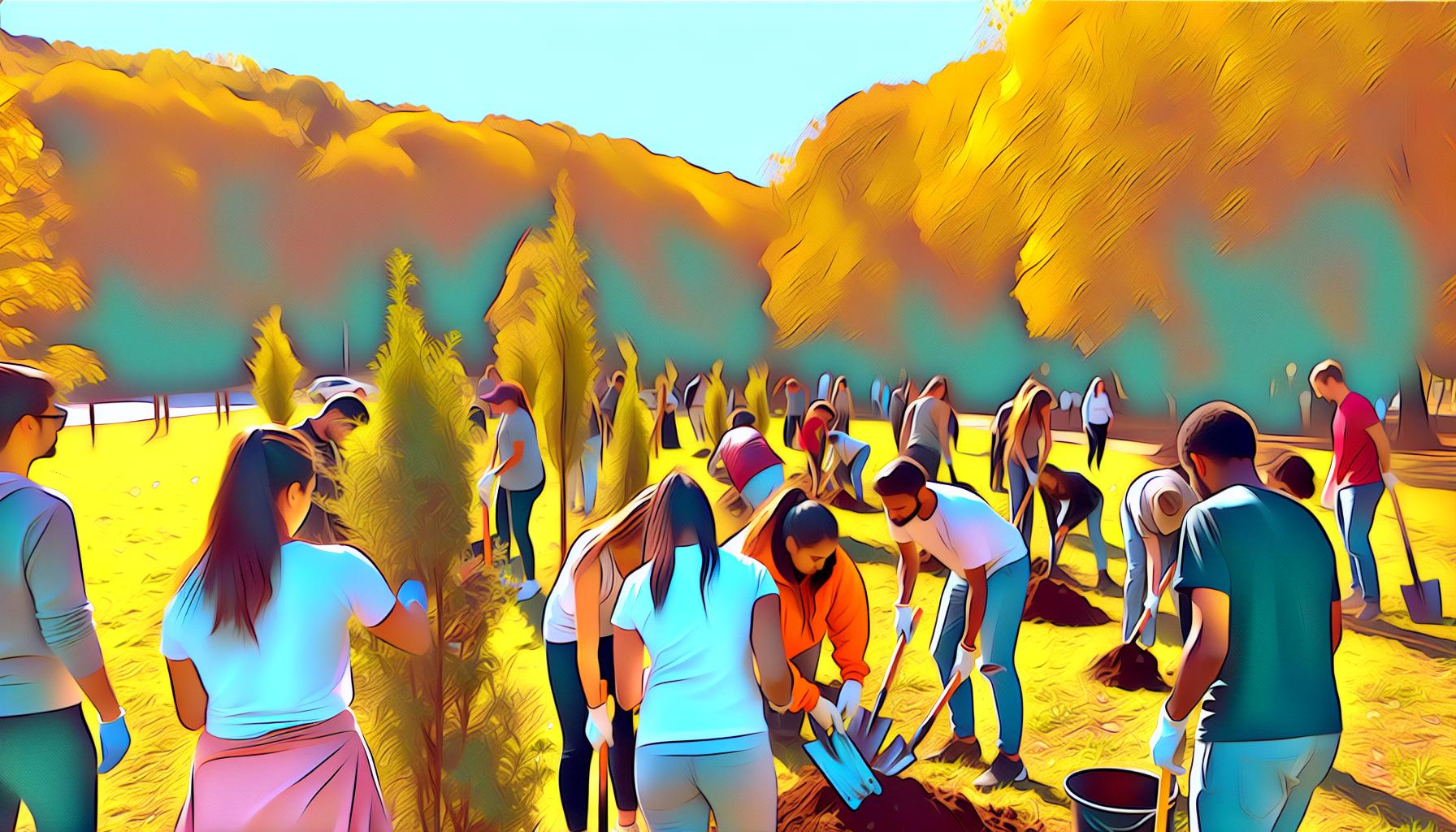
The Role of Community Engagement in Environmental Sustainability
Engaging communities in environmental initiatives is not just beneficial; it’s essential for creating sustainable solutions that resonate with local realities. Strong community involvement can lead to lasting change, especially in addressing the pressing challenges posed by climate change and environmental degradation. When citizens actively participate in sustainability efforts, they bring unique insights and foster a sense of ownership that drives collective action.
Empowering Local Voices
Through initiatives like the Environment Protection Survey: Join the Movement for a Greener Planet, communities can harness their perspectives to influence environmental policies effectively. This grassroots approach empowers local communities to advocate for their unique needs, ensuring that solutions not only reflect environmental priorities but also respect cultural and social dimensions. For example, community-led beach clean-ups or tree planting days not only beautify the environment but also instill a sense of pride and responsibility among participants.
Building Cooperative Networks
Community engagement fosters strong networks that facilitate collaboration among various stakeholders, including residents, businesses, and local governments. By creating a platform for dialogue, these networks can initiate projects that address local environmental issues. A successful illustration of this can be seen in community gardens, where residents collaboratively grow food while contributing to biodiversity and reducing urban heat effects. Such projects also serve as educational platforms, teaching participants about sustainable practices and the importance of preserving local ecosystems.
Leveraging Local Knowledge
Communities often possess a wealth of knowledge about their local environments, which can be crucial in addressing sustainability challenges. Engaging community members in environmental monitoring—through citizen science initiatives, for instance—enables them to contribute actively to data collection and analysis. This can lead to heightened awareness about local ecological issues, such as pollution levels or invasive species, and motivate action based on the findings. Additionally, involving local youth in these activities can instill values of environmental stewardship from an early age.
Ultimately, active community participation is fundamental to the success of any environmental initiative. By fostering strong connections among residents and providing accessible platforms for dialogue and action, community engagement not only aids in protecting our planet but also strengthens social ties that enhance community resilience against future challenges.
Innovations in Eco-Friendly Practices: What You Need to Know
As the urgency for sustainable living grows, innovative eco-friendly practices are reshaping both individual and collective approaches to environmental stewardship. From renewable energy solutions to sustainable farming techniques, the impact of these innovations is profound and wide-ranging. Understanding these advancements is essential for anyone wanting to contribute meaningfully to green initiatives, such as those discussed in the Environment Protection Survey: Join the Movement for a Greener Planet.
Renewable Energy Technologies
The shift towards renewable energy sources is one of the most significant innovations in eco-conscious practices. Solar panels, wind turbines, and hydropower systems make it possible for communities to reduce dependence on fossil fuels. Key statistics show that solar energy capacity has increased dramatically in recent years, with the U.S. Solar Energy Industries Association reporting a 167% growth in solar installations from 2017 to 2022. Here are some of the latest renewable energy technologies to consider:
- Advanced Solar Panels: With improvements in efficiency, newer solar panels can capture more sunlight and generate greater energy output.
- Vertical Wind Turbines: These smaller-sized turbines can be installed in urban environments, allowing cities to harness wind energy effectively.
- Hydroelectric Microgrids: Compact systems that generate power from local water sources, suitable for smaller communities or isolated areas.
Sustainable Agriculture Practices
Another area ripe for innovation lies in sustainable farming methods. Techniques such as vertical farming and permaculture minimize land use and maximize output while reducing environmental impact. The global vertical farming market is expected to grow by nearly $8 billion by 2025, reflecting a strong shift towards urban and efficient agricultural practices. Here’s what you should know about sustainable agriculture:
- Organic Farming: Utilizes natural fertilizers and pest control methods, improving soil health and biodiversity.
- Regenerative Agriculture: Focuses on restoring soil health and ecosystem processes, often involving crop rotation and cover cropping.
- Agroforestry: Combines agriculture and forestry, promoting biodiversity and enhancing crop resilience against climate change.
Waste Reduction Innovations
Innovative waste management strategies are also making strides in eco-friendly practices. Initiatives focusing on zero waste and circular economies challenge the traditional linear models of consumption. By emphasizing reduction, reuse, and recycling, communities can significantly lessen their environmental footprints. Here’s how you can get involved:
- Upcycling Initiatives: Transforming waste materials into new products, making items both useful and reducing landfill output.
- Community Composting: Converting kitchen waste into nutrient-rich compost, enhancing soil quality and reducing greenhouse gas emissions.
- Plastic Alternatives: Exploring biodegradable packaging and reusable containers to decrease single-use plastics in daily life.
As more individuals become aware of these innovations, a collective momentum builds towards a more sustainable future. Participating in the Environment Protection Survey: Join the Movement for a Greener Planet is a proactive way to align with these transformative practices that not only benefit the environment but also foster healthier communities.
The Importance of Biodiversity and How to Protect It
The intricate web of life on Earth, encompassing countless species and their habitats, plays a vital role in maintaining the planet’s ecosystems. Biodiversity not only contributes to the aesthetic and cultural value of our environments but is also crucial for human survival. It provides essential services such as pollination, water purification, and climate regulation. However, this diversity is under severe threat from pollution, habitat destruction, and climate change, which collectively jeopardize the health of our ecosystems and the well-being of future generations.
To effectively safeguard biodiversity, immediate and collaborative actions are crucial. Here are practical steps that individuals and communities can take:
Ways to Protect Biodiversity
- Support Protected Areas: Advocate for the establishment and maintenance of national parks and wildlife reserves. These areas play a fundamental role in conserving habitats and species.
- Reduce Resource Consumption: Adopt sustainable consumption practices by minimizing waste and using resources mindfully. This can include reducing plastic use and choosing sustainable products.
- Engage in Community Conservation Projects: Participate in local initiatives such as tree planting, clean-up events, and wildlife monitoring programs to enhance local biodiversity.
- Educate Others: Share knowledge about the importance of biodiversity with friends, family, and community members. Raising awareness can inspire collective action.
Notably, global partnerships and innovative solutions are already being implemented to halt biodiversity loss. As highlighted by conservation efforts worldwide, protecting large areas of ocean, land, and freshwater is achievable. A commitment to preserving these vast ecosystems can significantly curb the ongoing decline of species. Through initiatives such as UNESCO biosphere reserves and World Heritage sites, we can secure environments that support both biodiversity and sustainable livelihoods [[3]](https://www.unesco.org/en/biodiversity/conservation).
Ultimately, by taking part in the “Environment Protection Survey: Join the Movement for a Greener Planet,” individuals can contribute to a larger movement aimed at fostering healthy ecosystems. Engaging in these initiatives not only helps protect biodiversity but also promotes a sustainable future for all species sharing this planet.
Educating Future Generations: Instilling Environmental Awareness
An alarming statistic reveals that more than 2 billion people lack access to safe drinking water, emphasizing the pressing need for improved environmental education. Fostering a generation that is knowledgeable about environmental issues forms the backbone of global sustainability efforts. By instilling environmental awareness from a young age, we empower future leaders to tackle challenges such as climate change, resource depletion, and biodiversity loss. The participation in initiatives like the Environment Protection Survey: Join the Movement for a Greener Planet helps cultivate this essential awareness, encouraging young people to take responsibility for their surroundings.
Practical Steps for Educating Youth
Education on environmental issues should extend beyond the classroom and into the community. Here are actionable strategies for parents, educators, and community leaders:
- Incorporate Experiential Learning: Engage students with hands-on activities such as planting trees, participating in local clean-up days, or visiting national parks to foster a connection with nature.
- Leverage Technology: Utilize educational apps and online resources to bring interactive and engaging content about environmental issues into the learning process.
- Promote Critical Thinking: Encourage students to research, debate, and present on current environmental topics, which helps develop their problem-solving skills and promote active engagement.
- Connect with Local Organizations: Partnering with environmental NGOs can provide access to workshops, resources, and speakers who can share their expertise and real-world experiences.
Long-term Impacts of Environmental Awareness
Instilling environmental awareness is not just about knowledge; it shapes attitudes and behaviors that have lasting impacts. Research shows that children who learn about sustainability early on are likely to carry these values into adulthood, ultimately influencing their decisions as consumers, voters, and community leaders. For instance, schools that adopt programs integrating environmental education within their curricula report higher student engagement and activism around local environmental issues.
Furthermore, initiatives such as the Environment Protection Survey: Join the Movement for a Greener Planet exemplify how collective action and awareness can bridge gaps among various age groups, creating a shared responsibility for protecting the planet. As we educate and involve future generations, we not only teach them about environmental issues but also instill a sense of ownership over their environment, fostering a culture of conservation and sustainability for years to come.
The Intersection of Policy and Personal Responsibility in Environmental Protection
The role of individual action in fostering environmental protection cannot be overstated. While comprehensive environmental policies serve as a framework for sustainable governance, personal responsibility is the catalyst that transforms these policies into meaningful actions. Every choice we make, from the products we purchase to the energy we consume, contributes to our environmental footprint. By participating in initiatives such as the Environment Protection Survey: Join the Movement for a Greener Planet, individuals can actively influence policy outcomes and advocate for a healthier planet.
Integrating Policy and Personal Action
To bridge the gap between policy and personal responsibility, awareness and education are paramount. Understanding how environmental policies affect local and global ecosystems empowers individuals to make informed choices. For example, knowing the implications of plastic waste can motivate a shift towards reusable products. Simple actions, like reducing single-use plastics or engaging in local clean-up efforts, resonate deeply with broader policy goals aimed at sustainable waste management.
- Support local environmental initiatives: Becoming involved in community projects not only enhances local biodiversity but also reinforces the need for policy changes.
- Educate others: Share knowledge about the importance of environmental practices and policies within your social circles, fostering a culture of responsibility.
- Advocate for change: Contact local representatives to express support for environmental legislation that aligns with a sustainable future.
Real-World Examples of Effective Collaboration
There are numerous instances where individual and collective actions have led to significant policy changes. In many cities, grassroots movements comprising concerned citizens advocating for cleaner air and rivers have spurred local governments to implement stricter regulations. For instance, initiatives aimed at reducing carbon emissions can thrive when citizens commit to using public transportation or carpooling, reflecting a collective response to existing environmental policies.
| Action | Impact on Policy |
|---|---|
| Participating in community clean-ups | Showcases local commitment, prompting city policies on waste management. |
| Choosing sustainable products | Encourages businesses to adopt eco-friendly practices that align with green policies. |
| Advocating for renewable energy | Drives legislative support for subsidies and incentives for clean energy solutions. |
By recognizing the dynamic interplay between environmental policies and personal responsibility, individuals can effectively contribute to a movement that not only complies with existing laws but also champions new ones. Participation in campaigns like the Environment Protection Survey: Join the Movement for a Greener Planet not only highlights personal commitment but also drives collective action that can lead to transformative policy changes.
FAQ
What is the Environment Protection Survey: Join the Movement for a Greener Planet?
The Environment Protection Survey: Join the Movement for a Greener Planet is an initiative to collect data on public attitudes and behaviors towards environmental conservation. Its goal is to identify effective strategies for promoting sustainable practices.
This survey helps organizations, governments, and communities understand the current trends in environmental awareness. By participating, you can contribute to significant environmental policies and awareness programs that foster a healthier planet. You can learn more about participating here.
Why does the Environment Protection Survey matter?
The Environment Protection Survey plays a critical role in shaping environmental policy and public initiatives. By gathering insights from a broad audience, it informs decision-makers about the community’s priorities regarding sustainability.
Understanding public opinion helps align environmental strategies with community needs, promoting better cooperation and adherence to green practices. This survey ultimately aims to create a roadmap for a greener future and encourages citizen engagement in conservation efforts.
How can I participate in the Environment Protection Survey?
Participating in the Environment Protection Survey is straightforward and accessible. Simply visit the official survey website and follow the prompts to complete your responses. Your insights matter!
The survey typically takes only a few minutes and can be done online. Your participation helps generate valuable data to promote effective environmental strategies, making your voice heard in the movement for a greener planet.
Can I see the results of the Environment Protection Survey?
Yes, you can view the results of the Environment Protection Survey once they are compiled. These results provide insights into public opinions and behaviors regarding environmental initiatives.
Survey findings are typically shared in comprehensive reports and presentations on the initiative’s website or via community newsletters. They serve to inform and engage the public and stimulate further involvement in environmental protection efforts.
What topics are covered in the Environment Protection Survey?
The Environment Protection Survey covers various topics related to environmental sustainability, such as recycling habits, energy consumption, and views on climate change.
These topics are crucial for gauging public awareness and behaviors, leading to informed strategies that can effectively address pressing environmental issues. Each response provides critical feedback on which areas need more focus and development.
Why should I care about environmental protection surveys?
Caring about environmental protection surveys is vital as they reflect the collective voice of the community on sustainability issues. Your participation helps drive change and support policies that benefit both people and the planet.
Moreover, by being involved, you become part of a larger movement advocating for responsible stewardship of our natural resources. This can lead to impactful changes in your community, fostering a culture of environmental responsibility.
How do environmental surveys influence policy-making?
Environmental surveys influence policy-making by providing data-driven insights into public perceptions and behaviors. These insights allow policymakers to craft informed policies that resonate with the community’s environmental values.
Surveys help identify successful practices and spotlight areas needing improvement. When communities actively participate, their feedback helps shape effective environmental strategies, leading to a more sustainable future.
To Conclude
As we conclude this exploration into the “Environment Protection Survey: Join the Movement for a Greener Planet,” it’s clear that our actions today can pave the way for a sustainable future. By participating in environmental surveys, you not only contribute valuable data that can shape policy decisions but also become part of a collective effort to address pressing environmental challenges. From understanding the impact of climate change to promoting biodiversity, every voice matters in this critical dialogue.
We encourage you to take the next step—engage with community initiatives, adopt eco-friendly practices in your daily life, and share your experiences with others. Together, we can foster a culture of environmental stewardship that empowers individuals and transforms communities. Explore more resources, connect with local organizations, and become an advocate for the planet; every action, no matter how small, counts in this movement towards a greener future. Join us, and let’s make a difference together!