Struggling to stick to a fitness routine? Understanding the motivations behind healthier lifestyles can unlock the keys to success. By exploring targeted survey questions, we can uncover personal barriers and aspirations, paving the way for tailored workout strategies that inspire lasting change. Let’s dive into insightful inquiries that can transform your approach to fitness.
Understanding Your Fitness Goals: What Drives You to Move?

Understanding your fitness motivations is crucial for developing a sustainable exercise routine. Research shows that individuals who reflect on their reasons for pursuing fitness are more likely to achieve their goals. In the realm of health and fitness, it’s not just about looking good; it’s about feeling good, enhancing performance, and ensuring longevity. Whether you seek physical transformation or improved mental health, identifying what drives you can create a powerful foundation for your fitness journey.
Many factors influence what inspires us to get moving. Common motivators include physical health, mental well-being, social connections, and personal challenges. A clear understanding of these reasons can make your goals more personalized and attainable. For example, individuals motivated by competitive spirit may thrive in group settings or team sports, while those seeking mental clarity might prefer solitary activities like running or yoga. Reflecting on your unique motivations can also aid in setting specific, measurable, achievable, relevant, and timely (SMART) goals, which provide a clear path toward success.
Consider the following questions to uncover what motivates you:
- What do you enjoy doing the most in terms of physical activity?
- Do you prefer exercising alone or with others, and why?
- How does exercise make you feel mentally and physically?
- What are your long-term health aspirations?
Furthermore, it’s essential to regularly revisit and refine your fitness goals as your motivations and circumstances may evolve over time. Evaluating your progress and celebrating small victories can help maintain enthusiasm and commitment, making your fitness journey not just a task, but a rewarding lifestyle choice.
To give you more insight, here’s a simple table that highlights common fitness goals and their psychological benefits:
| Fitness Goal | Psychological Benefit |
|---|---|
| Weight Loss | Increased confidence and body image |
| Improved Endurance | Sense of achievement and resilience |
| Muscle Gain | Enhanced discipline and focus |
| Stress Relief | Better mental clarity and emotional balance |
By aligning your fitness efforts with what motivates you personally, you not only ensure that your exercise routine remains enjoyable but also significantly enhance your chances for long-term success. With each accomplishment, whether big or small, you nurture a healthier lifestyle—one step at a time.
Crafting Effective Survey Questions: Tips for Engagement and Insight

Creating effective survey questions is vital for gathering valuable insights, particularly in the realm of fitness and workouts. Well-crafted questions not only enhance engagement but also lead to more accurate data that can motivate healthier lifestyles. To achieve this, it’s essential to balance clarity with creativity, ensuring that each question resonates with respondents while encouraging them to share honest feedback.
Focus on Clarity and Relevance
When formulating questions, clarity should be your top priority. Ambiguous or overly complex questions may confuse respondents, leading to inaccurate answers. For instance, instead of asking, “How often do you engage in physical activity?” a more precise question would be, “How many times per week do you exercise for at least 30 minutes?” This specificity helps respondents provide valuable insights into their habits. Furthermore, ensuring the relevance of questions to the respondent’s lifestyle can boost response rates. Tailor your questions to reflect common fitness interests, like preferences for group workouts versus solo sessions.
Utilize a Variety of Question Types
Integrating different types of survey questions can enrich the data collected. Use a combination of rating scales, multiple-choice questions, and open-ended queries to get a well-rounded view of fitness behaviors. For example:
- Rating Scale: “On a scale of 1-10, how satisfied are you with your current workout routine?”
- Multiple Choice: “Which type of exercise do you prefer? a) Cardio b) Strength training c) Yoga d) Other”
- Open-Ended: “What motivates you the most to maintain a healthy lifestyle?”
A well-structured mix encourages deeper insights while keeping the respondent engaged.
Incorporate Real-World Examples
To further inspire respondents, consider including real-world situations in your questions. For example, ask about specific events or challenges that might impact their fitness routine, such as, “How did the COVID-19 pandemic affect your workout habits?” This not only makes the survey relevant but also stimulates thoughtful responses.
Additionally, sharing stories or testimonials from other participants can create a sense of community, making respondents feel more connected to the survey. A question like, “What changes have you implemented in your fitness routine inspired by friends or family?” provides actionable insights while encouraging respondents to reflect on their support networks.
By applying these strategies, the survey not only generates insightful data but also contributes to fostering a community dedicated to healthier lifestyles, which is essential for motivating positive change in fitness and wellness behaviors.
The Science Behind Motivation: How Does It Influence Your Workout Routine?
Understanding what drives us to lace up our sneakers and hit the gym offers valuable insights into how we can optimize our workout routines. Motivation is a complex psychological construct influenced by both intrinsic and extrinsic factors. In fitness, it plays a pivotal role in determining not only whether we begin an exercise regimen but also whether we stick to it over time. As outlined in the article about fitness/workout survey questions that motivate healthier lifestyles, these motivators can be harnessed to create effective fitness strategies tailored to individual needs.
Intrinsic vs. Extrinsic Motivation
It’s essential to grasp the nuances between intrinsic and extrinsic motivation. Intrinsic motivation arises from within an individual, fueled by personal satisfaction, enjoyment, or the desire for self-improvement. This type of motivation often leads to sustainable habits, as you engage in activities for your own fulfillment. For instance, a person who loves running may find themselves setting personal goals, like completing a marathon, simply because it brings them joy and a sense of accomplishment.
On the other hand, extrinsic motivation involves external rewards or pressures that can drive workout behavior. This includes factors like social recognition, financial incentives, or even the desire to fit into a new outfit. While extrinsic motivators can be effective, they are often less sustainable in the long term. For example, someone might start working out to achieve a specific aesthetic goal but may lose interest once they’ve reached their target weight.
Strategies to Amplify Motivation
Creating a compelling workout routine involves leveraging both types of motivation. Here are some strategies to help boost your fitness motivation:
- Set Realistic Goals: Break down larger fitness objectives into smaller, attainable milestones. Celebrating these small victories can foster a sense of achievement.
- Track Your Progress: Utilizing fitness apps or journals can keep you accountable. Seeing your improvements over time can be a significant motivator.
- Find a Community: Engage with fitness groups or friends who share similar goals. Social support can provide both encouragement and accountability, enhancing extrinsic motivation.
- Mix It Up: Diversifying your workout routine can keep things fresh and exciting. Trying new classes or sports can reinvigorate your passion for fitness.
Through this understanding of the science behind motivation, coupled with practical strategies from workout survey insights, individuals can cultivate a workout routine that aligns with their personal goals and preferences. By emphasizing not only the importance of motivation but also actionable steps to harness it, you can set the stage for a more fulfilling and healthier lifestyle.
Analyzing Barriers to Exercise: Identifying and Overcoming Challenges

It’s surprising to note that nearly 80% of adults do not meet the recommended levels of physical activity according to the World Health Organization. This statistic highlights a significant challenge facing many individuals: the barriers that prevent them from engaging in regular exercise. Identifying these obstacles is the first step toward crafting effective strategies that encourage healthier lifestyles. Factors that hinder exercise can vary widely from person to person, but common themes can be found.
Common Barriers to Exercise
Understanding what prevents individuals from exercising regularly can help professionals tailor their fitness programs. Here are some prevalent barriers:
- Lack of Time: Many people cite busy schedules as a reason they can’t fit exercise into their day. Work, family, and social commitments often take precedence.
- Low Motivation: Without clear goals or intrinsic motivation, individuals may struggle to stay committed to a workout routine.
- Intimidation: Gyms can feel overwhelming for beginners. The fear of judgment or embarrassment can discourage potential exercisers.
- Health Issues: Chronic conditions or injuries can limit one’s ability to engage in physical activities safely.
Addressing these barriers in the context of a fitness/workout survey can lead to more meaningful insights. For example, gathering feedback from participants about their experiences can help fitness professionals understand the specific challenges each individual faces.
Overcoming Challenges: Practical Strategies
Once barriers are identified, implementing tailored solutions can facilitate a shift toward positive change. Here are some actionable strategies:
- Schedule Workouts: Encourage individuals to treat exercise like an important appointment. Block off specific times in their calendars to prioritize physical activity.
- Set Achievable Goals: Help clients develop SMART (Specific, Measurable, Achievable, Relevant, Time-bound) goals to create a sense of accomplishment as they progress.
- Create a Supportive Environment: Foster a welcoming community by offering beginner classes and workshops that aim to reduce intimidation and build confidence.
- Consult Professionals: If health issues are a barrier, recommend consulting with professionals such as personal trainers or physiotherapists who can design safe and effective workout programs.
Incorporating these strategies into fitness programs can enhance participants’ experiences, especially when framed within the context of the feedback garnered from fitness/workout survey questions aimed at motivating healthier lifestyles. Engaging with customers about their concerns not only demonstrates empathy but also paves the way for tailored interventions that address specific needs.
| Barrier | Potential Solutions |
|---|---|
| Lack of Time | Prioritize and schedule workouts into daily routines. |
| Low Motivation | Set small, achievable goals to foster a sense of accomplishment. |
| Intimidation | Create a welcoming fitness culture that emphasizes support. |
| Health Issues | Work with professionals to tailor safe exercise regimens. |
By systematically addressing and overcoming these barriers, individuals are more likely to engage in consistent physical activity, driving behavior changes that lead to healthier lifestyles overall.
Encouraging Accountability: How Community Can Influence Fitness Habits

Creating a supportive environment for fitness can significantly enhance motivation and consistency in pursuing healthier lifestyles. When individuals are part of a community that values physical well-being, they are more likely to stay committed to their fitness goals. This is not merely about working out together, but rather about cultivating a culture of accountability that encourages everyone to thrive. Research shows that social support can greatly influence one’s ability to maintain fitness habits, making it crucial to leverage community dynamics.
Building a Supportive Network
Accountability is a key component in sustaining fitness habits, and building a strong support network can provide the encouragement needed to stay on track. Here are a few ways communities can foster this:
- Group Challenges: Organizing fitness challenges within the community can motivate participants to stay engaged. Weekly step contests, running challenges, or healthy cooking competitions can spur friendly competition and community bonding.
- Regular Meet-Ups: Scheduling consistent meet-ups for workouts, such as group runs, fitness classes, or yoga sessions, creates a routine that individuals are less likely to skip. Knowing others are counting on you to show up boosts commitment.
- Accountability Partners: Pairing individuals with accountability partners helps them stay focused. Partners can check in regularly, share progress, and encourage one another, fostering a sense of responsibility.
Utilizing Technology for Engagement
In today’s digital age, technology can also serve as a tool to enhance community fitness accountability. Apps and online platforms can facilitate interaction among community members by allowing them to share progress and celebrate achievements together. For example, fitness tracking apps that offer social features enable users to join challenges, track their workouts, and cheer on others. This virtual camaraderie can be just as motivating as in-person interactions.
| Fitness Platform | Features |
|---|---|
| Strava | Challenges, social sharing, and activity tracking |
| MyFitnessPal | Food logging, community support, and progress tracking |
| Fitbit App | Challenges, badges, and community groups |
By leveraging both in-person connections and digital tools, communities can create an environment where individuals feel motivated and supported. As outlined in the article on effective fitness survey questions to spark healthier lifestyles, asking participants about their community engagement can reveal valuable insights about the dynamics that spur commitment and accountability in fitness every day. Harnessing these strategies will not only influence personal fitness habits but also contribute to a culture of health and wellness that benefits everyone involved.
Fun and Variety in Workouts: How to Keep Your Fitness Routine Fresh
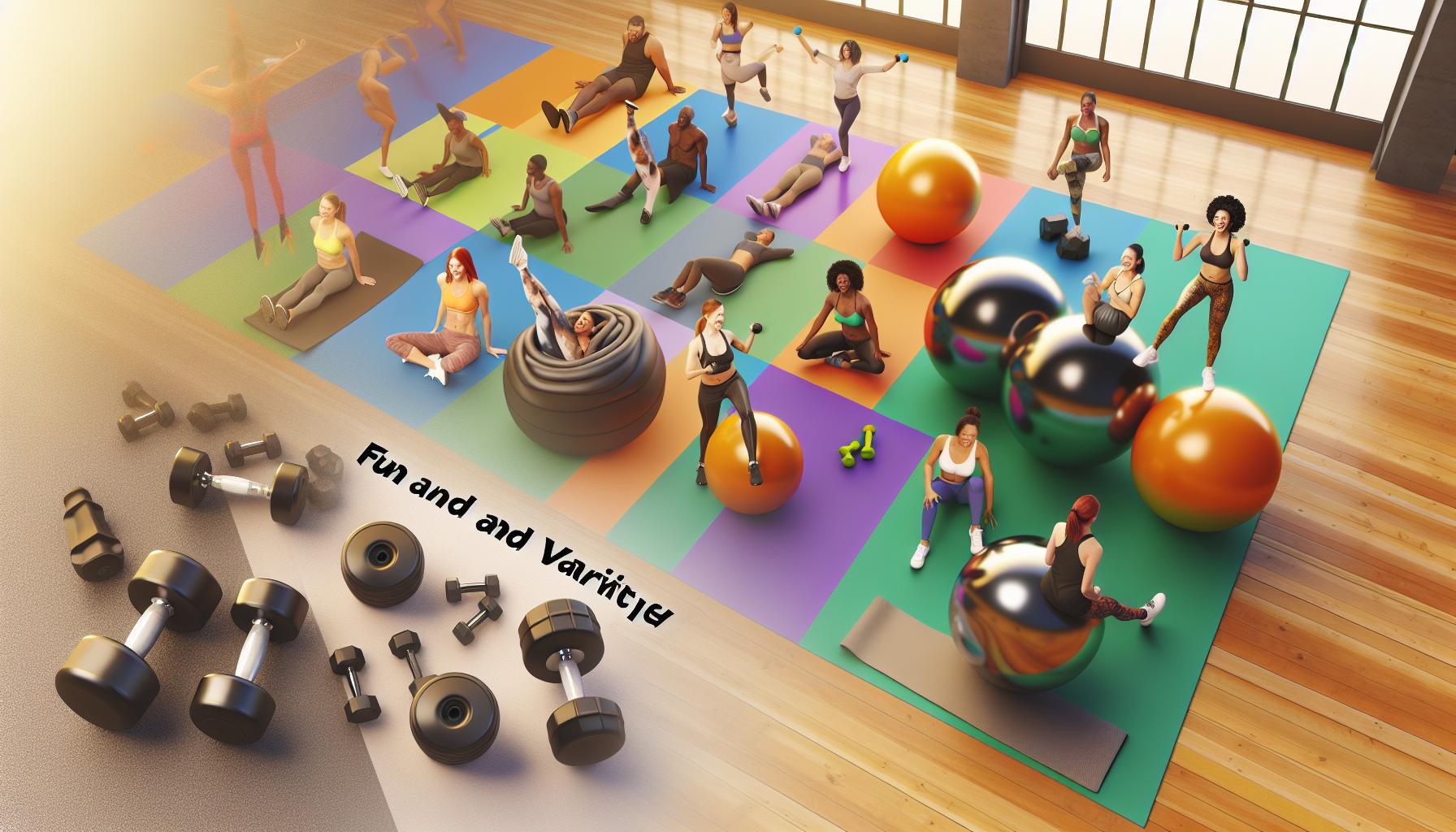
Sticking to a regular fitness routine can often become mundane, leading to a decline in motivation and enthusiasm. However, introducing fun and variety into your workouts can not only keep you engaged but also enhance your overall fitness experience. By integrating new exercises, formats, and activities, you can create a dynamic workout environment that continually challenges your body while maintaining your interest.
One effective strategy to infuse variety into your regimen is to explore different types of workouts. Consider switching between strength training, cardio sessions, and flexibility workouts such as yoga or Pilates. For example, a week could look like this:
- Monday: High-Intensity Interval Training (HIIT)
- Wednesday: Yoga or Pilates
- Friday: Weight lifting
This not only helps in preventing workout fatigue but also promotes overall muscular and cardiovascular balance.
Another way to keep your routine fresh is to adapt your workout environment or style. Training outdoors can add a breath of fresh air—think brisk walks, runs, or bodyweight exercises at a park. Alternatively, consider classes that move you out of your comfort zone, like kickboxing or dance fitness. These classes not only introduce new techniques but also foster a sense of community, which can significantly enhance motivation.
Track Your Progress and Celebrate Milestones
An often-overlooked element of keeping workouts enjoyable is tracking progress and celebrating achievements. Set specific, measurable goals related to your fitness journey; for instance, note the number of squats, the weight lifted, or the distance run. This tracking can be turning point, motivating you to strive for consistent improvement and giving you tangible milestones to celebrate along the way.
| Milestone Type | Example | Celebration Idea |
|---|---|---|
| Fitness Challenge | Completing a 5K | Treat yourself to new workout gear |
| Personal Best | Lifting a new weight | Enjoy a special meal |
| Consistency | Exercising regularly for a month | Plan a day off for self-care |
By engaging with various modalities of fitness and taking the time to set and reward personal goals, you move closer to cultivating a sustainable and enjoyable exercise habit. Incorporating elements found in approaches like the Fitness/Workout Survey Questions: Motivate Healthier Lifestyles can provide insight into what works best for you, infusing your journey with inspiration and vitality. Embrace the journey ahead as not just an obligation but as an opportunity to explore your fitness potential!
Measuring Success Beyond the Scale: Holistic Approaches to Fitness Surveys

Measuring progress in fitness shouldn’t solely rely on a number on the scale. In a world where wellness is increasingly aligned with mental, emotional, and social health, a more holistic framework for evaluating fitness is essential. A comprehensive approach allows individuals to recognize achievements that are often overlooked when solely focusing on weight loss or muscle gain. Engaging with thoughtfully designed fitness/workout survey questions can provide insights that drive motivation toward healthier lifestyles.
Defining Success in Multiple Dimensions
Fitness success is multifaceted, encompassing aspects such as emotional well-being, physical capabilities, and social connections. Traditional metrics like weight can mask significant progress, such as increased endurance, muscle tone, or improved mood. Here are some critical dimensions to consider when evaluating success:
- Physical Health: Track metrics such as strength improvements, flexibility, and endurance rather than just weight loss.
- Mental Well-being: Assess mood changes, stress levels, and overall happiness associated with fitness activities.
- Social Interaction: Evaluate how fitness routines contribute to social connections, whether through group classes, team sports, or community events.
- Healthy Habits: Monitor changes in nutrition, sleep quality, and lifestyle decisions influenced by fitness participation.
By focusing on these areas, individuals can celebrate a broader spectrum of achievements and enhance their motivation to maintain a healthier lifestyle.
Surveying for Holistic Feedback
Utilizing fitness surveys designed to gather holistic feedback can guide individuals and communities in understanding their fitness journey. For instance, incorporating open-ended questions in surveys allows respondents to express their feelings about their fitness experiences. An example of effective survey questions might include:
| Survey Question | Purpose |
|---|---|
| What are your primary fitness goals? | To identify personal motivations beyond scale weight. |
| How do your workouts affect your mood and stress levels? | To assess the impact of exercise on mental health. |
| Rate your overall enjoyment of physical activities. Why? | To evaluate adherence based on enjoyment factors. |
| What role does community support play in your fitness journey? | To measure the social aspect of fitness engagement. |
These questions not only provide valuable data for individuals to reflect on their fitness journey but also help trainers and wellness coaches tailor their programs to meet the needs of diverse populations.
Action Steps for a Holistic Fitness Journey
To effectively measure success beyond the scale, individuals can adopt several actionable strategies:
- Set Diverse Goals: Create a list of fitness goals that include emotional and social components, like joining a fitness class or meditating regularly.
- Keep a Fitness Journal: Document your workouts, mood changes, and social interactions related to fitness on a regular basis.
- Engage with Communities: Participate in local health initiatives or online groups to enhance social connections linked to fitness pursuits.
- Regular Check-Ins: Use well-structured surveys quarterly to assess progress in various aspects, not just weight or physical appearance.
In encompassing these elements, individuals can appreciate the richness of their wellness journey and cultivate a more sustainable and gratifying approach to fitness.
Incorporating Feedback: Using Survey Data to Enhance Your Fitness Journey

In today’s fast-paced world, the pursuit of health and fitness can sometimes feel overwhelming. However, utilizing feedback through targeted survey data can significantly enhance your fitness journey and foster healthier lifestyle choices. By actively soliciting and analyzing responses regarding preferences, barriers, and motivations, you can create a personalized fitness regime that resonates with your unique aspirations. This approach not only aids in refining your routines but also keeps you engaged and accountable throughout your wellness journey.
One effective way to harness survey data is through the implementation of Fitness/Workout Survey Questions. These inquiries can reveal vital insights about your current exercise habits, preferred types of workouts, and even the challenges you face. Consider including questions such as:
- What are your primary fitness goals (e.g., weight loss, muscle gain, endurance)?
- How many days a week do you currently exercise, and how much time do you dedicate to each session?
- What barriers do you encounter that hinder your fitness progress?
Analyzing the responses to these types of questions can guide you in adjusting your fitness plan to better suit your lifestyle and preferences. For example, if many participants indicate a lack of time as a barrier, you might explore high-intensity interval training (HIIT) workouts that provide maximum results in shorter time frames.
For a more structured approach, consider maintaining a feedback loop. Engaging regularly with your survey participants not only promotes accountability but also allows you to fine-tune your programming based on evolving needs. Create a simple table to organize the data from your surveys, which could look something like this:
| Feedback Category | Insights Gained | Action Steps |
|---|---|---|
| Workout Preferences | Majority prefer group classes | Introduce more group sessions |
| Time Constraints | Most find it hard to fit in workouts | Offer shorter, efficient workout options |
| Motivation Levels | Low motivation due to lack of variety | Incorporate new exercises and challenges regularly |
By continually refining your approach based on feedback, you will not only motivate yourself but also inspire those around you to embark on their own health journeys. Embracing this data-driven strategy can be the key to unlocking a fulfilling and sustainable fitness lifestyle, helping transform survey insights into actionable outcomes.
Frequently asked questions
What are Fitness/Workout Survey Questions: Motivate Healthier Lifestyles?
Fitness/Workout Survey Questions: Motivate Healthier Lifestyles are targeted questions designed to gather insights about exercise habits, preferences, and barriers to fitness. These surveys help identify *specific needs* and improve community health initiatives.
By using these survey questions, organizations can discover the *factors influencing* individuals’ decisions to engage in exercise. For example, respondents may express a need for more flexible workout options or highlight a lack of motivation. This feedback is crucial for tailoring effective wellness programs that can lead to positive lifestyle changes and enhanced community support.
How do Fitness/Workout Survey Questions help promote healthier lifestyles?
Fitness/Workout Survey Questions help promote healthier lifestyles by uncovering personal barriers and motivations related to fitness. Understanding these factors enables tailored interventions, making it easier for individuals to adopt and maintain healthier habits.
For instance, a survey might reveal that many participants struggle with time management. By addressing such concerns—like offering short, effective home workouts or optimizing class schedules—community fitness initiatives can reach and engage more people. Ultimately, tailored solutions empower individuals to commit to *consistent fitness* routines.
Why does it matter to ask Fitness/Workout Survey Questions?
Asking Fitness/Workout Survey Questions matters because it directly informs health strategies that can significantly improve community wellness. These insights help identify trends and facilitate the customization of programs that resonate with people’s real needs.
Without these insights, health initiatives risk being ineffective or irrelevant. By regularly collecting and analyzing feedback, organizations can adapt programs to better serve their populations, ultimately *enhancing engagement* and promoting a culture of wellness within the community. Learn more about effective survey strategies on our [Fitness Programs page](#).
Can I create my own Fitness/Workout Survey Questions?
Absolutely! You can create your own Fitness/Workout Survey Questions tailored to your audience by focusing on specific topics like *exercise frequency*, *preferred activities*, and *perceived barriers*.
Start by brainstorming what information you want to collect and then craft questions that are clear and specific. For example, you might ask, “What prevents you from exercising regularly?” or “Which type of workout do you enjoy the most?” By involving potential respondents in the process, you can ensure the questions are relevant and engaging.
What types of questions are effective in a Fitness/Workout Survey?
Effective Fitness/Workout Survey Questions often include a mix of quantitative and qualitative formats. Consider *closed-ended questions* like multiple choice or Likert scale ratings, alongside *open-ended questions* for detailed feedback.
For example, you could ask “On a scale of 1-5, how motivated do you feel to exercise regularly?” followed by an open-ended question like “What activities would you like to try to improve your motivation?” This variety helps gather comprehensive data that can drive your fitness programs, providing actionable insights on motivating healthier lifestyles.
Why should organizations use Fitness/Workout Survey Questions?
Organizations should use Fitness/Workout Survey Questions to understand their community’s specific health needs and preferences, facilitating more effective health programs. This feedback loop helps maximize participation and wellness impacts.
By regularly assessing community feedback, organizations can adapt their offerings to match the evolving interests and challenges people face in maintaining fitness. For example, introducing new classes based on survey responses can foster engagement and promote long-term *adoption of healthier lifestyles* within the community.
How can Fitness/Workout Survey Questions improve mental health?
Fitness/Workout Survey Questions can improve mental health by promoting awareness of the connection between physical activity and mental well-being. Gathering insights allows for developing programs that specifically address mental health needs, creating a holistic approach to wellness.
For instance, surveys may highlight the desire for *mindfulness practices* within physical activity. By incorporating fitness sessions that focus on mental clarity, such as yoga or tai chi, organizations can support mental health while encouraging physical fitness. Understanding these aspects reinforces the relationship between *physical activity* and improved mental health, steering individuals toward comprehensive wellness solutions.
Key Takeaways
As we wrap up our exploration of fitness and workout survey questions designed to motivate healthier lifestyles, it’s clear that understanding our motivations and challenges is a crucial first step toward meaningful change. By engaging with these questions, you not only gain insight into your own fitness habits but also contribute to a broader dialogue about health in your community.
Tailored surveys help identify barriers to exercise, uncover personal motivations, and allow for the customization of fitness plans that resonate with individual lifestyles. Remember, whether you’re a seasoned athlete or just starting your journey, self-reflection is a powerful tool.
We encourage you to consider the questions we’ve discussed and perhaps even adapt them for your own use. Share your insights with friends, family, or fitness groups, sparking conversations that can lead to collective growth. Engage with your community, seek support, and continuously challenge yourself to stay committed to your health goals.
Take the next step: implement what resonates with you and witness the transformation it can bring to your life. Stay curious, stay motivated, and keep exploring—you hold the key to unlocking a healthier, more vibrant you.