As society evolves, so too do our perceptions of gender roles, prompting critical questions about equality and identity. Understanding these shifting attitudes is vital, as they influence everything from workplace dynamics to personal relationships. This article delves into a recent survey revealing how contemporary views on gender are reshaping modern interactions and expectations.
The Evolution of Gender Roles: A Historical Perspective
Throughout history, gender roles have undergone significant transformations, shaped by societal changes, cultural norms, and economic factors. A few centuries ago, roles were rigidly defined; men were predominantly seen as breadwinners and authority figures, while women were relegated to domestic responsibilities. However, as society has evolved, these roles have become increasingly fluid, reflecting broader trends in equality and individual rights.
Historical Shifts in Gender Roles
The journey toward modern gender roles has been marked by pivotal events and movements. The Industrial Revolution began the first major shift, as economic necessity forced many women into the workforce. This not only challenged the traditional domestic role but also started to fracture the very fabric of gender norms. By the late 19th and early 20th centuries, suffragette movements across the globe further propelled the fight for women’s rights, leading to significant milestones such as the right to vote. These changes laid the groundwork for future advancements in gender equality.
With the rise of educational opportunities for women and increasing participation in various professions, the latter half of the 20th century saw a dramatic redefinition of gender roles. The Women’s Liberation Movement of the 1960s and 1970s was particularly influential, advocating for workplace equality and challenging societal norms. In contrast to the past, where female aspirations were often limited to homemaking, today’s society is witnessing women in roles across all sectors, from science and politics to arts and business.
Contemporary Perspectives
The contemporary landscape of gender roles is still evolving, influenced by ongoing discussions and attitudes toward masculinity and femininity. The insights from the Gender Roles Survey: Reveal Changing Attitudes in Modern Society highlight that younger generations are increasingly favoring equality and dismantling gender stereotypes. Men are more frequently participating in caregiving roles, while women are pushing against traditional barriers in leadership positions.
To illustrate these changing attitudes, consider a recent survey where respondents indicated that nearly 70% believe that both men and women should equally share responsibilities in household chores and parenting. This reflects a growing preference for shared domestic roles, as society acknowledges that these responsibilities are not inherently tied to one’s gender.
- Across various cultures, educational institutions are increasingly incorporating gender studies into curricula to foster awareness and challenge biases.
- Workplace policies are evolving to support parental leave for fathers, recognizing the importance of their involvement in early child-rearing.
- Social media platforms are amplifying discussions around gender fluidity and inclusivity, increasing visibility for diverse experiences and identities.
The evolution of gender roles is a testament to society’s capacity for change. With ongoing dialogue and action, the future promises to continue reshaping how individuals relate to one another beyond traditional gender constructs.
Understanding the Impact of Cultural Norms on Gender Perceptions
The way cultural norms shape perceptions of gender roles is not merely a topic of academic interest; it’s a lens through which we can examine the evolving dynamics within society. As revealed in recent findings from the *Gender Roles Survey: Reveal Changing Attitudes in Modern Society*, cultural beliefs and practices dictate the expectations placed upon individuals based on their gender. These norms influence everything from career aspirations to domestic responsibilities, reinforcing traditional roles or encouraging more progressive views that embrace equality.
The Role of Cultural Narratives
Cultural narratives play a critical role in shaping how genders are viewed and treated. These narratives often include:
- Historical contexts that reinforce the status quo
- Family structures that model gender-specific roles
- Media representation that propagates stereotypes
- Religious influences that dictate moral and ethical conduct
For instance, traditional societies may uphold the belief that men are the primary breadwinners, while women are the caretakers. In contrast, evolving narratives celebrate diverse family structures, including dual-income households and stay-at-home dads, reshaping public perception about gender contributions in both the workforce and the home.
The Impact of Education and Media
Education plays a pivotal role in challenging outdated norms and fostering new attitudes. The *Gender Roles Survey: Reveal Changing Attitudes in Modern Society* indicates that individuals who receive comprehensive education about gender equality are more likely to support non-traditional roles. This highlights the importance of integrating gender studies into educational curriculums, promoting critical thinking, and enabling students to question existing stereotypes.
Media representation has also shifted significantly, promoting a more inclusive view of gender roles. Television, cinema, and social media increasingly showcase characters and stories that defy conventional gender expectations, thereby influencing societal perceptions.
| Media Type | Positive Representation Examples | Trends in Gender Perception |
|---|---|---|
| Television Series | Shows featuring strong female leads in varied roles | Increased acceptance of women in leadership positions |
| Movies | Films highlighting male vulnerability | Growing empathy towards men’s mental health issues |
| Social Media | Influencers challenging gender stereotypes | Wider discussions about gender fluidity and inclusivity |
In essence, the transformation of gender perceptions is inextricably linked to the cultural norms upheld in society. The *Gender Roles Survey: Reveal Changing Attitudes in Modern Society* offers a snapshot of this evolution, indicating that as cultural narratives shift, so too do the expectations and attitudes toward gender roles in everyday life.
Survey Insights: What the Data Reveals About Modern Attitudes

In a world where traditional norms are increasingly challenged, recent findings reveal a remarkable shift in societal attitudes towards gender roles. The Gender Roles Survey: Reveal Changing Attitudes in Modern Society unveils not only shifting perceptions but also an evolving landscape where flexibility and equality reign supreme. As more individuals advocate for shared responsibilities at home and within professional settings, the data reflects a burgeoning trend that finds resonance across various demographics.
Key Findings from the Survey
The survey data provides a rich tapestry of insights that speak to modern attitudes regarding gender roles. Notably, respondents identified several pivotal themes:
- Shared Responsibilities: An overwhelming majority (78%) of participants believe household duties should be equal between partners, marking a departure from conventional expectations.
- Career Aspirations: About 65% of men expressed support for women pursuing careers even if it leads to longer hours and more responsibility at home.
- Parental Roles: Over 70% of both genders view active parenting as equally important for fathers as for mothers, highlighting a shift towards a more balanced approach.
Such statistics indicate a burgeoning acceptance of more equitable dynamics in relationships, underscoring a collective desire for partnership rather than ownership.
Demographic Variations
Exploring the data further reveals intriguing demographic variations that highlight the nuances in attitude shifts.
| Demographic Group | Percentage Supporting Gender Equality | Percentage Willing to Share Household Duties |
|---|---|---|
| Millennials (Ages 25-40) | 85% | 82% |
| Generation Z (Ages 18-24) | 90% | 88% |
| Baby Boomers (Ages 56-74) | 60% | 55% |
This table illustrates that younger generations are far more inclined towards embracing gender equality, suggesting an opportunity for older generations to engage in dialogues about evolving roles.
In closing, the survey serves as a reflection of a compassionate society increasingly willing to dismantle outdated gender stereotypes and embrace a future where everyone—regardless of gender—contributes equally to professional and domestic spheres. As these attitudes continue to evolve, we can attend to individual stories that reinforce the importance of equity and justice in our daily lives.
Navigating Gender Identity and Expression in Today’s Society

In an era of progressive change, public perceptions of gender identity and expression are undergoing a significant transformation. Recent studies, including the findings from the Gender Roles Survey: Reveal Changing Attitudes in Modern Society, illustrate a growing acceptance of diverse gender identities. Today, more individuals recognize that gender is not strictly binary; instead, it encompasses a spectrum of identities that reflect personal experiences and social realities.
Understanding Gender Identity and Expression
Gender identity is how individuals perceive themselves in relation to their gender, which can align or differ from the sex assigned at birth. Understanding this concept is crucial, as it shapes one’s experience and interactions within society. The survey highlights that many people are increasingly aware that gender expression—the outward manifestation of one’s gender identity through clothing, behavior, and personal presentation—can vary widely and does not always conform to traditional gender norms.
To navigate this complex landscape, it’s essential for individuals and organizations alike to foster an inclusive environment. Here are some actionable steps to consider:
- Promote Education: Offering workshops or resources on gender identity and expression can raise awareness and dispel misconceptions.
- Encourage Open Dialogue: Creating safe spaces for individuals to share their experiences fosters understanding and acceptance.
- Implement Inclusive Policies: Organizations should develop policies that protect individuals against discrimination based on gender identity or expression.
The Role of Societal Attitudes
Societal attitudes play a vital role in shaping perceptions of gender. The Gender Roles Survey: Reveal Changing Attitudes in Modern Society shows significant shifts in how different demographics view gender roles and identities. For instance, younger generations are generally more open-minded and accepting of non-binary identities and transgender rights compared to older cohorts. This generational divide underscores the importance of continuous education regarding gender issues and the necessity for advocacy.
| Age Group | Acceptance of Non-Binary Identities | Support for Transgender Rights |
|---|---|---|
| 18-24 | 85% | 90% |
| 25-34 | 78% | 82% |
| 35-44 | 65% | 70% |
| 45+ | 50% | 55% |
As illustrated in the table, younger individuals are more likely to accept and support diverse gender identities, indicating a positive trend towards inclusivity. This shift not only enhances individual well-being but also enriches community dynamics by embracing a wider range of perspectives and experiences.
In conclusion, fostering an understanding of gender identity and expression is more than an individual journey; it’s a societal imperative. Engaging with the findings of surveys like the Gender Roles Survey: Reveal Changing Attitudes in Modern Society empowers individuals to advocate for inclusivity and support for all gender identities, paving the way for a more accepting future.
The Role of Education in Shaping Gender Role Beliefs
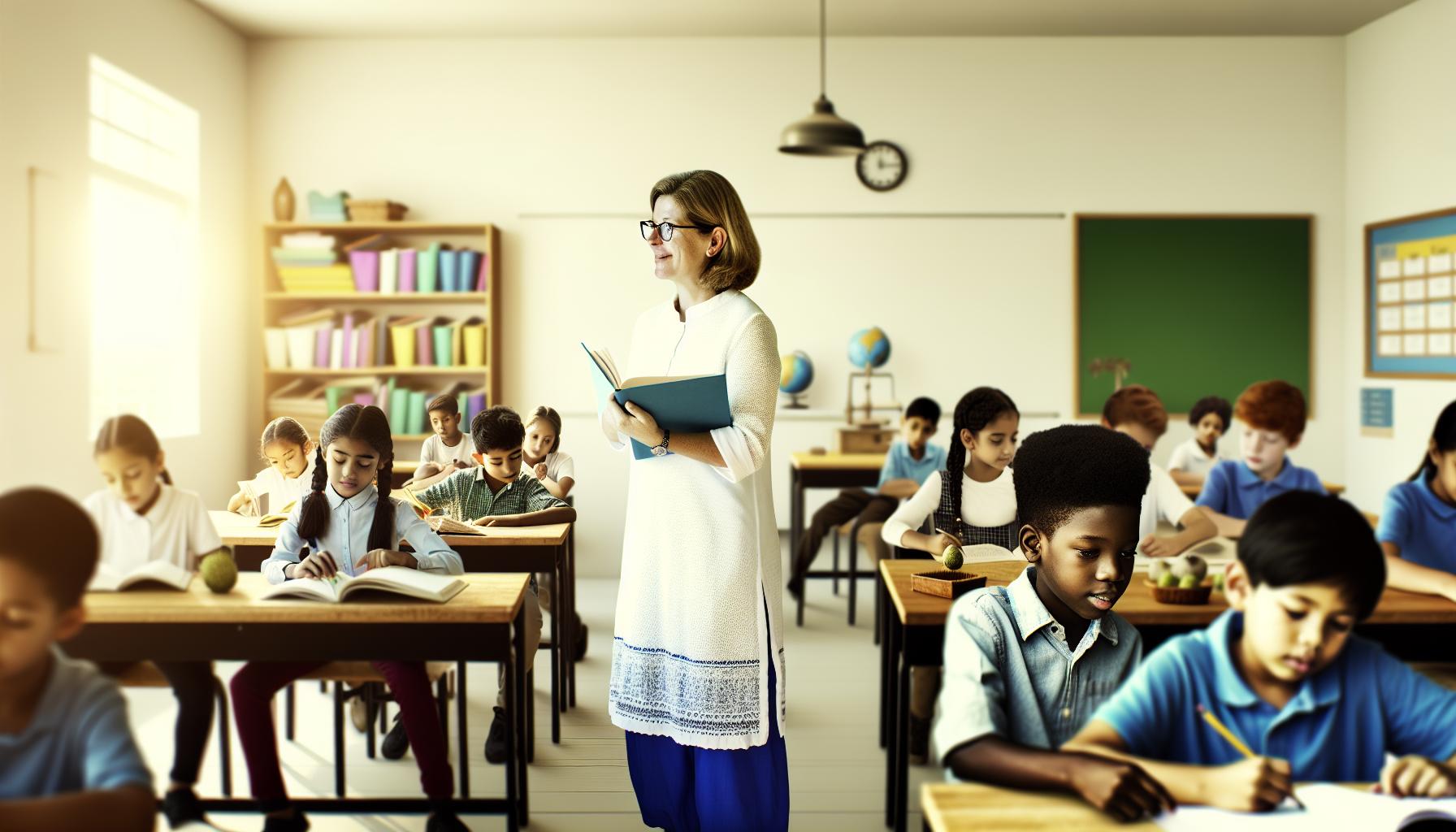
Education plays a crucial role in shaping perceptions and beliefs about gender roles, influencing attitudes from childhood through adulthood. Research detailed in the “Gender Roles Survey: Reveal Changing Attitudes in Modern Society” highlights that educational environments—whether formal or informal—serve as critical platforms for challenging traditional norms. As children encounter diverse perspectives and are encouraged to question stereotypes, the potential for transformation grows significantly.
Influence of Early Education
In early education, teachers and curricula can directly influence how children perceive gender roles. Educational materials that include diverse characters and scenarios can help dismantle stereotypes. For instance, when young students engage with stories that feature female engineers or male nurses, it broadens their understanding of what roles are available to each gender. Integrating gender-sensitive teaching practices can foster an inclusive atmosphere where all students feel empowered to pursue their interests, regardless of societal expectations.
Creating Inclusive Classrooms
Fostering an inclusive classroom environment is pivotal in challenging normative beliefs about gender. Educators can implement strategies such as:
- Diverse Representation: Use a variety of teaching materials that showcase individuals from various backgrounds and professions.
- Discussion and Reflection: Encourage open conversations about gender stereotypes and experiences in daily life.
- Equitable Opportunities: Provide equal chances for all students to participate in activities, regardless of gender, ensuring that roles are not predefined by societal expectations.
Engaging students in this manner not only promotes gender equity but also encourages critical thinking, empowering them to challenge stereotypes actively.
The Role of Higher Education
As students transition to higher education, the responsibility intensifies. Institutions of higher learning can continue to nurture progressive attitudes by offering courses that explore gender studies, facilitating discussions around gender roles and their implications in various fields. This academic focus not only expands knowledge but equips students with the tools to advocate for gender equality in their future careers.
| Educational Level | Impact on Gender Role Beliefs | Examples of Effective Practices |
|---|---|---|
| Early Education | Foundation for understanding diverse roles | Diverse storybooks, role-playing activities |
| K-12 | Challenge stereotypes and encourage equity | Gender-inclusive sports, mixed-gender collaboration |
| Higher Education | Deepening knowledge and advocacy skills | Gender studies programs, workshops on bias |
By instilling progressive beliefs and practices through education, society can work towards a future where gender roles are seen as possibilities rather than limitations. The insights garnered from the “Gender Roles Survey: Reveal Changing Attitudes in Modern Society” reinforce the essential role of educational institutions in this transformative process, highlighting that the journey toward gender equity begins in the classroom.
Challenging Stereotypes: How Media Influences Gender Perceptions

In an age where the media permeates almost every aspect of our lives, the influence it wields over gender perceptions is profound and far-reaching. As illustrated in the findings of the recent Gender Roles Survey: Reveal Changing Attitudes in Modern Society, shifts in societal norms are becoming evident, highlighting a growing awareness of the impact of media on our understanding of gender roles. From advertising to film and social media, each platform plays a crucial role in shaping our perspectives, often reinforcing or challenging long-standing stereotypes.
The Role of Media in Shaping Gender Norms
Media serves not only as a reflection of society but also as a powerful tool that can dictate societal standards. The characters we see on screen, the advertisements we are bombarded with, and the images shared on social platforms often propagate certain ideals:
- Reinforcement of Traditional Roles: Many advertisements depict men in assertive roles and women in nurturing positions, solidifying outdated stereotypes.
- Progressive Representation: Conversely, a growing number of media productions are actively challenging these norms, showcasing women in leadership and men in caregiving roles.
- Social Media Impact: Platforms like Instagram and TikTok amplify diverse voices and narratives, promoting a redefined understanding of gender that transcends binary limitations.
Real-World Examples of Changing Perceptions
The transition towards more equitable gender representation in media is evident in both traditional and digital spaces. For instance, the success of movies like Wonder Woman and series such as The Handmaid’s Tale sparks discussions about women’s empowerment and societal positioning. Furthermore, campaigns like the #MeToo movement harness social media’s reach to challenge toxic masculinity and sexual harassment, reshaping viewers’ perceptions of gender dynamics.
To underscore these changes, let’s take a look at the data compiled in the Gender Roles Survey: Reveal Changing Attitudes in Modern Society.
| Aspect of Gender Role | Percentage of Agreement (2020) | Percentage of Agreement (2023) |
|---|---|---|
| Men should be the primary breadwinners | 68% | 52% |
| Women should take care of the home | 65% | 50% |
| Both parents should share household responsibilities | 76% | 85% |
This data reveals a significant decline in traditional views of gender roles, as more individuals recognize the importance of equitable partnerships. The media is pivotal in fostering these changing attitudes by highlighting narratives that resonate with evolving societal expectations.
Actionable Steps for Media Consumers
As active participants in a media-saturated environment, we can adopt several strategies to foster a healthier representation of gender:
- Support Diverse Content: Seek out media that portrays a wide range of gender identities and experiences, contributing to visibility and understanding.
- Critically Analyze Media: Engage with content mindfully, questioning the roles and stereotypes presented and discussing them with others.
- Advocate for Change: Utilize social media platforms to promote discussions about representation and call out portrayals that reinforce harmful stereotypes.
By recognizing the media’s influential role in shaping perceptions of gender, we can work collectively to challenge stereotypes and foster a more inclusive society that reflects modern attitudes as outlined in the Gender Roles Survey: Reveal Changing Attitudes in Modern Society.
Practical Steps for Promoting Gender Equality in Everyday Life
In an era marked by shifting perspectives on gender roles, the question of how individuals can actively promote gender equality in their daily lives has never been more pertinent. According to recent findings from gender roles surveys reflecting changing attitudes in modern society, there is a growing recognition of the importance of equitable practices. There are tangible, everyday steps everyone can take to champion this cause and contribute to a more inclusive environment.
Engaging in Open Conversations
One of the simplest yet most powerful ways to promote gender equality is through dialogue. Conversations around gender roles can often lead to greater understanding and diminished biases. Here are some strategies to foster these important discussions:
- Initiate Discussions: Start conversations about gender roles and questions in your workplace, school, or social circles. Use findings from surveys on changing attitudes to highlight statistics that spark interest.
- Listen Actively: Allow others to share their thoughts and experiences regarding gender stereotypes. Active listening fosters an environment of respect and open-mindedness.
- Challenge Stereotypes: When you hear comments that reinforce outdated gender roles, gently challenge them with informed responses and alternative perspectives.
Promoting Equal Opportunities
In workplaces, educational institutions, and community settings, advocating for equal opportunities is crucial. You can make a significant impact by implementing these practical measures:
- Support Equal Pay Initiatives: Advocate for transparency in wage structures and push for policies that aim for pay equity regardless of gender.
- Mentorship Programs: Encourage mentorship opportunities that empower individuals of all genders. Foster an inclusive environment where everyone can seek guidance and grow professionally.
- Inclusive Hiring Practices: If you’re in a hiring position, ensure that job descriptions and recruitment processes are free from gender bias. Utilize gender-neutral language and focus on skills and experience rather than traditional roles.
Fostering an Inclusive Environment at Home
Creating a gender-equal atmosphere starts at home, where family dynamics set the tone for values and attitudes. Here are some actionable recommendations:
- Model Equality: Demonstrate a balanced division of household responsibilities between all family members, regardless of gender. Encourage shared decision-making and teamwork.
- Educate the Young: Teach children about the importance of gender equality through books, media, and conversations. Help them understand the value of diverse perspectives.
- Promote Respectful Relationships: Instill the importance of respect and consent in all relationships, ensuring that everyone understands the significance of boundaries.
Through small, consistent actions drawn from insights gleaned from gender roles surveys revealing changing attitudes in modern society, each of us can contribute to a future where equality is not just an ideal, but a reality woven into the fabric of everyday life. By engaging in conversations, promoting equal opportunities, and fostering inclusive environments, we can all play a role in advancing gender equality.
The Future of Gender Roles: Trends and Predictions to Watch

As society evolves, so do perceptions surrounding gender roles, presenting an intriguing landscape for the future. The findings from the Gender Roles Survey: Reveal Changing Attitudes in Modern Society indicate a marked shift towards more equitable notions of masculinity and femininity, highlighting an increasing rejection of traditional stereotypes. This transformation is not simply a matter of social progression; it represents a fundamental change in how individuals perceive their identities and the roles they are expected to play.
Emerging Trends in Gender Roles
One significant trend is the growing acceptance of shared responsibilities in domestic and professional spheres. More households are embracing egalitarian structures, where caregiving responsibilities and financial duties are balanced more equitably between partners. This shift is influenced by changing economic demands and an increasing number of women entering the workforce. The Gender Roles Survey reflects this change, revealing that younger generations are less likely to associate specific tasks solely with one gender.
Furthermore, the impact of digital media cannot be overstated. Platforms like social media foster environments where diverse representations of gender are showcased. This visibility encourages breaking away from conventional norms and promotes openness regarding gender identity and expression. The survey’s results suggest that the younger demographic is more inclined to celebrate gender fluidity and reject binaries, paving the way for a more inclusive understanding of gender as a spectrum rather than a fixed binary.
Predictions for the Future
Looking ahead, several key predictions emerge from the ongoing evolution of gender roles:
- Increased Representation: Expect to see more diverse representations of gender in leadership roles, workplaces, and media. As organizations prioritize diversity and inclusion, this will lead to greater participation from underrepresented groups across all sectors.
- Redefined Masculinity: The notion of what it means to be masculine is predicted to shift significantly. Emotional vulnerability and nurturing traits will likely gain acceptance, allowing men to embrace qualities traditionally deemed feminine without stigma.
- Educational Reforms: Future educational frameworks may increasingly incorporate gender studies, teaching children about equity and inclusivity from an early age. This change will equip future generations with a robust understanding of gender roles and their fluid nature.
As society continues to embrace these changing dynamics, practical steps such as advocating for equitable workplace policies, engaging in community dialogues about gender, and supporting diverse narratives in media will be essential. The path forward is not just about change; it’s about fostering an environment where individuals can define their own identities free from societal constraints, thus reflecting the key insights from the Gender Roles Survey: Reveal Changing Attitudes in Modern Society.
FAQ
What is the ‘Gender Roles Survey: Reveal Changing Attitudes in Modern Society’?
The ‘Gender Roles Survey’ examines evolving perspectives on gender roles in contemporary society. This survey gathers data on attitudes toward traditional and modern gender expectations, highlighting significant shifts in public opinion.
With the rise of gender equality initiatives and social movements, the survey reflects how individuals perceive roles in the workplace, family, and community. Notably, it reveals growing acceptance of diverse identities and shared responsibilities in domestic settings. For further insights, explore our analysis on changing gender dynamics.
Why does the Gender Roles Survey matter in today’s society?
The Gender Roles Survey is critical for understanding how societal attitudes are evolving. It lends insight into the factors influencing these shifts and their implications for policy and culture.
As we see increasing gender parity in various fields, such surveys can help identify remaining challenges that need addressing. By recognizing trends in public sentiment, organizations can tailor programs and _initiatives_ to promote inclusivity further. Recognizing these changes empowers individuals and communities to advocate for sustainable transformations.
How can I participate in the Gender Roles Survey?
Participation in the Gender Roles Survey typically involves completing an online questionnaire. This is usually open to individuals who wish to share their perspectives on gender roles.
To participate, keep an eye on announcements from institutions or organizations that conduct these surveys. Sharing your experiences contributes to a more profound societal understanding of these issues. Additionally, encouraging others to engage can help amplify diverse voices and perspectives, fostering an inclusive dialogue.
What are some key findings from the latest Gender Roles Survey?
Recent findings reveal a significant shift towards equality in gender role perceptions. Many respondents express support for shared responsibilities in both home and career.
For instance, the survey indicates that younger generations are increasingly rejecting traditional roles, advocating instead for partnerships built on mutual respect. Moreover, many participants noted that societal expectations are changing, which positively influences workplace culture. Understanding these findings can guide efforts toward fostering equity in various environments.
Can I view the results of the Gender Roles Survey?
Yes, results from the Gender Roles Survey are often published online for public access. These findings are typically presented in reports or articles that summarize key data and trends.
You can access detailed results through academic publications or the websites of organizations conducting the surveys. This transparency allows individuals to engage with the data and better understand the evolving landscape of gender roles. To stay updated, check for regular updates and publications through reliable gender studies networks.
How does the Gender Roles Survey impact policy-making?
The Gender Roles Survey can significantly influence policy-making by providing data-driven insights into societal attitudes. Policymakers can use these findings to shape legislation that promotes gender equity.
Furthermore, understanding public perspectives helps in identifying areas requiring reform, such as workplace regulations and parental leave policies. By integrating feedback from these surveys into decision-making processes, governments can create more effective strategies that resonate with the community’s values. This alignment is vital for fostering a more equitable society.
What trends in gender roles are highlighted in recent surveys?
Recent surveys highlight trends such as a growing acceptance of non-traditional family structures and shared responsibilities. Many individuals are advocating for a more fluid understanding of gender roles.
Trends also include increased recognition of the importance of work-life balance and the breakdown of rigid career expectations based on gender. These shifts suggest a broader movement toward fostering environments where all individuals can thrive, regardless of gender. Engaging with these trends can benefit organizations aiming to cultivate diverse and equitable workplaces.
The Conclusion
As we navigate the complexities of modern society, the insights gathered from the Gender Roles Survey illuminate the shifting attitudes towards gender norms in our daily lives. We’ve seen how these changes reflect broader cultural transformations, highlighting a collective movement toward more egalitarian values. By examining the survey findings, it becomes clear that many individuals are questioning traditional roles and seeking to define their identities on their own terms. This dialogue not only enhances our understanding of gender dynamics but also encourages us to embrace inclusivity in our communities and personal interactions.
If you’re inspired by these shifts and want to contribute to this conversation, consider engaging further with these topics. Reflect on your own experiences and attitudes towards gender roles—how have they changed over time? Share your insights with friends or participate in local discussions to foster a more supportive environment. Additionally, exploring resources around gender studies or participating in workshops can further enhance your understanding and advocacy for equality.
The journey towards redefining gender roles is ongoing, and every voice matters. By staying informed and actively engaging with these conversations, you empower not only yourself but also the wider community to embrace progress and inclusion. Your participation could be the catalyst for change, making a lasting impact on the society we share. Keep exploring, keep questioning, and let’s continue to shape a more equitable world together.