In an era where social media influences nearly every aspect of our daily lives, understanding its impact has never been more critical. This article explores how social platforms shape our interactions, perceptions, and well-being, revealing the profound effects they have on society. Join us as we delve into the complexities of our digital existence.
Understanding the Influence of Social Media on Daily Life
The pervasive reach of social media has transformed how we communicate, connect, and engage with the world around us. Today, platforms like Facebook, Instagram, Twitter, and TikTok are not merely tools for sharing updates; they shape public opinion, influence trends, and affect personal interactions. According to a Pew Research Center study, a significant median of 57% across 19 countries perceives social media as a positive force for democracy, underlining its role in fostering communication between citizens and their governments [[1]].
Shaping Daily Interactions
Social media platforms significantly transform daily interactions, affecting how individuals build relationships and share experiences. Unlike traditional forms of communication, social media allows for instantaneous connections, allowing users to share life events in real time. For instance, sharing a family celebration or a personal achievement can garner reactions and support from a vast network, enhancing feelings of belonging and support.
However, it’s essential to acknowledge the flip side. The same platforms may contribute to feelings of isolation or inadequacy, especially among younger users who often compare their lives to curated online personas. The challenge of balancing social media engagement while maintaining real-world relationships is critical, especially for adolescents [[3]].
The Impact on Trends and Culture
Social media’s influence extends into cultural realms, influencing everything from fashion to political discourse. For instance, marketing has shifted significantly towards the use of social influencers—individuals who leverage their substantial online followings to shape consumer habits and opinions. As a result, trends can emerge overnight, fueled by viral content that resonates with the audience. These changes illustrate how deeply integrated social media is in our understanding and experiences of contemporary culture.
Incorporating social media into research methodologies, such as questionnaires examining its societal impact, provides valuable insights into public perception and behavior. The findings can reveal significant trends, highlighting how various demographics engage with content and the emotional responses it elicits. Understanding these factors can inform better practices for fostering positive outcomes in communities and individual well-being.
Practical Advice for Balanced Engagement
To maximize the benefits of social media while mitigating its potential downsides, consider the following strategies:
- Set Boundaries: Allocate specific times for social media use to prevent it from intruding on vital personal interactions.
- Cultivate Positive Connections: Engage with content and accounts that uplift or inform rather than those that provoke negativity or comparison.
- Be Mindful of Content Sharing: Regularly assess the information and emotions shared on platforms to maintain a healthy online presence.
Through the lens of the ‘Research Questionnaire About Social Media: How Does It Shape Our Lives?’, it is clear that understanding this complex landscape is essential for both individuals and society to navigate the digital age effectively.
The Psychological Impact of Social Media: Connections and Consequences
Social media is a double-edged sword, shaping our connections while simultaneously impacting our psychological well-being. With billions of users actively engaging on various platforms, the influence of social media on mental health is undeniable. Research suggests that while these platforms can foster a sense of community and belonging, they also contribute to feelings of isolation, anxiety, and depression.
Connections Fostered by Social Media
The ability to stay connected with friends and family, regardless of geographic location, is one of the most celebrated aspects of social media. It allows users to share experiences, celebrate achievements, and provide support during tough times. However, this virtual connectivity can create a paradox. Users might find themselves feeling more isolated when their in-person interactions diminish. According to studies explored in the research questionnaire, many individuals report that while they feel connected online, they often experience loneliness in their offline lives.
- Increased accessibility to support networks: Social media offers platforms for individuals to seek help and share experiences related to mental health.
- Community building: Groups centered around shared interests or challenges can provide a sense of belonging.
Negative Consequences on Mental Health
Despite the positive aspects, the psychological implications of social media can be severe. Users frequently face the pressure to curate their online personas, leading to unrealistic comparisons and self-esteem issues. The constant barrage of curated content can also exacerbate feelings of inadequacy and anxiety, as people may measure their worth against the seemingly perfect lives portrayed online. This phenomenon is particularly pronounced among younger demographics, who are more prone to being influenced by social validation metrics like likes and shares.
| Negative Effects | Description |
|---|---|
| Increased Anxiety | Users may feel pressure to respond quickly to messages and maintain an active online presence. |
| Depression | Excessive use of social media can correlate with feelings of sadness and disconnection from reality. |
| Body Image Issues | Exposure to idealized images can lead to dissatisfaction with one’s own body. |
In light of these findings from the research questionnaire, it’s essential to foster a balanced approach to social media use. Practical steps such as setting time limits on usage, curating feeds to include positive influences, and actively engaging in offline activities can help mitigate the adverse psychological impacts. Encouraging mindfulness around social media consumption not only enhances one’s online experiences but also preserves mental health in an increasingly digital world.
Exploring How Social Media Shapes Relationships and Community Dynamics
The pervasive nature of social media in today’s society has transformed how we interact, communicate, and establish communities. Research indicates that a staggering 4.7 billion people worldwide engage with social media platforms, profoundly impacting relationship dynamics on both personal and collective levels. This shift not only influences individual connections but also reshapes community interactions, enabling new forms of engagement and collaboration.
One significant way social media shapes relationships is through the instant connectivity it offers. Platforms like Facebook, Twitter, and Instagram allow individuals to maintain relationships across vast distances, making it easier than ever to stay in touch with friends, family, and acquaintances. This connectivity fosters a sense of belonging, as users can share experiences, celebrate milestones, and provide support in real-time. Additionally, social media encourages the formation of diverse online communities where like-minded individuals can gather around shared interests, creating niche groups that transcend geographical boundaries.
However, this enhancement of social connections comes with its complexities. While social media can strengthen ties between individuals, it can also lead to superficial interactions and the phenomenon of social comparison. Users may find themselves comparing their lives to curated portrayals of others, sometimes resulting in feelings of inadequacy or loneliness. As relationships shift into the digital realm, it becomes essential for individuals to cultivate authentic connections and engage meaningfully. To combat the potential downsides of social media use, consider the following practical strategies:
- Engage Mindfully: Take time to reflect on the quality of your interactions. Prioritize meaningful conversations over passive scrolling.
- Balance Online and Offline Life: Make an effort to meet friends and loved ones in person, creating a tangible support system in addition to virtual connections.
- Limit Passive Consumption: Be deliberate about the content you consume and interact with on social media to promote positivity and connection.
Recognizing the dual role of social media in shaping personal and community dynamics is crucial. While it can facilitate stronger connections and foster community spirit, awareness of its drawbacks is essential for maintaining healthy relationships. The ongoing discussion around the topic highlighted in the ‘Research Questionnaire About Social Media: How Does It Shape Our Lives?’ serves as a reminder to continually evaluate our digital habits, ensuring they enhance rather than hinder our communal and relational life.
The Role of Social Media in Personal Identity and Self-Expression
In today’s digital age, social media platforms have revolutionized the way individuals express themselves and craft their personal identities. With billions of users worldwide, these platforms serve as virtual canvases where people curate their lives, beliefs, and aspirations, often blurring the lines between reality and depiction. According to the findings presented in the *Research Questionnaire About Social Media: How Does It Shape Our Lives?*, social media not only influences how we view ourselves but also how we wish to be perceived by others.
Curated Self-Presentation
Social media allows users to meticulously curate their profiles, showcasing selected aspects of their lives while often omitting the mundane or imperfect. This phenomenon has given rise to a culture of highlight reels, where individuals may feel pressured to portray an idealized version of themselves. Key aspects include:
- Visual Aesthetics: Platforms like Instagram focus heavily on imagery, encouraging users to invest time in photography and styling to gain likes and followers.
- Post Frequency: Regular posting can dictate social currency, where users equate online presence with value and popularity.
- Content Choices: Individuals often tailor their posts to align with their audience’s expectations, shaping their identity based on feedback and engagement.
These elements reveal how social media shapes identity, as the desire for validation can lead to choices that may not necessarily reflect one’s true self.
Community and Belonging
Beyond individual representation, social media platforms provide opportunities for connection and community building. Users can find like-minded individuals, shared interests, and support networks that enhance their sense of belonging. This is particularly evident in niche communities, which can range from hobbies to identity groups.
Real-World Examples:
For instance, marginalized groups can share their experiences and advocate for issues that resonate deeply within their communities, creating a strong sense of identity and solidarity. In contrast, the *Research Questionnaire About Social Media: How Does It Shape Our Lives?* indicates that while social media can empower these voices, it can also lead to a reliance on external validation, where affirmation from others becomes critical to self-worth.
The Balance of Authenticity and Performance
Striking the right balance between authenticity and performance is vital in this dynamic environment. Individuals are encouraged to reflect on their authentic selves rather than just curating an online persona. To enhance genuine self-expression, consider these practical steps:
- Limit Comparison: Focus on your personal goals and values, and minimize exposure to accounts that trigger feelings of inadequacy.
- Engage Authentically: Share moments that resonate with your truth, emphasizing experiences over perfection.
- Take Breaks: Periodically disconnect from social media to reflect on your goals, relationships, and self-perception without the influence of online feedback.
Understanding the role of social media in shaping personal identity and self-expression is crucial for navigating this intricate landscape while preserving one’s individuality and mental well-being.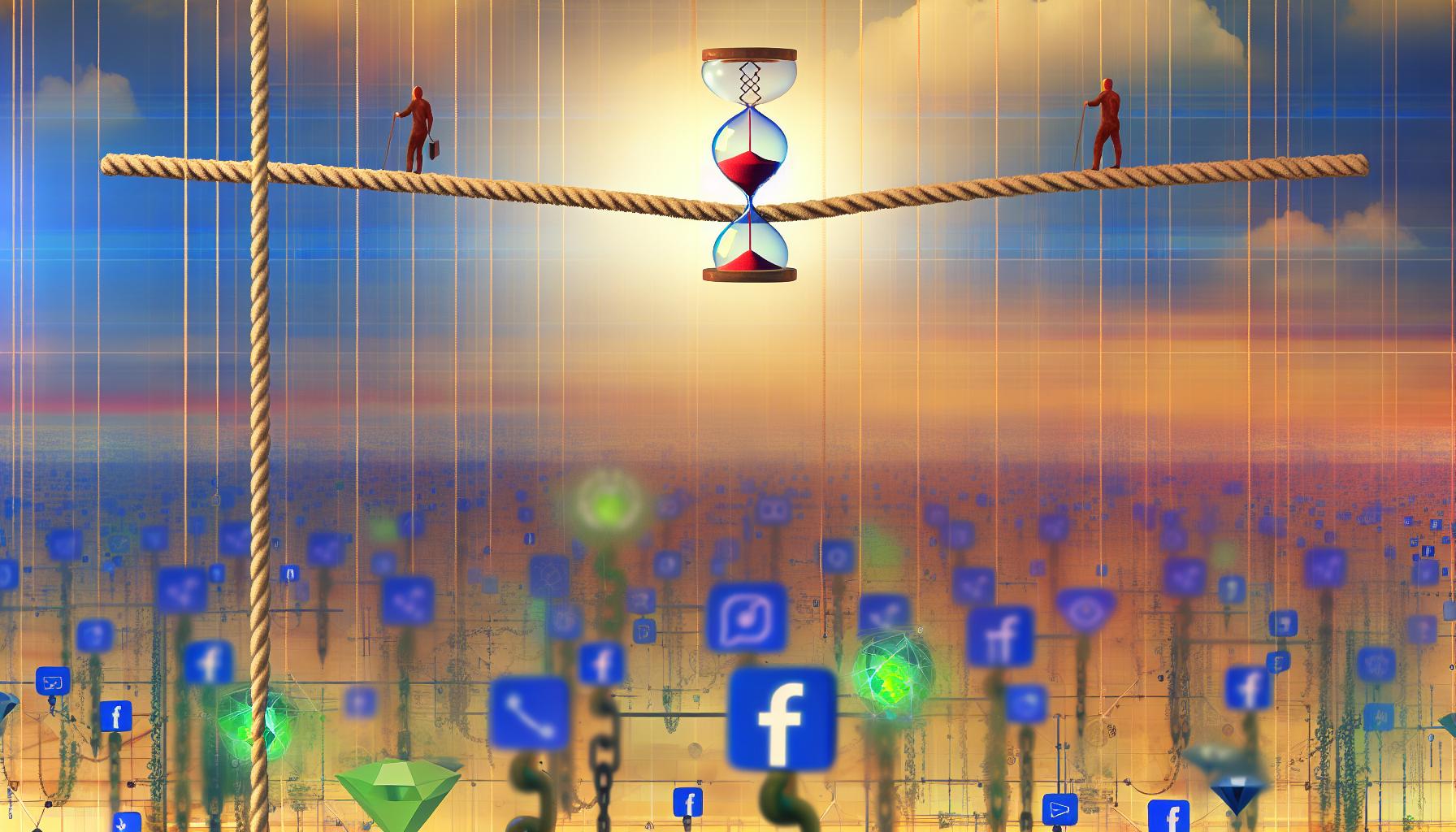
Navigating the Fine Line: Social Media Addiction and Its Effects
In an age where social media has woven itself into the very fabric of daily life, it’s startling to discover that a significant percentage of users report feeling a sense of anxiety or distress when separated from their devices. Research highlights that around 30% of millennials believe they are addicted to social media, raising crucial questions about its impact on mental health and interpersonal relationships. The findings from the research questionnaire titled “Research Questionnaire About Social Media: How Does It Shape Our Lives?” paint a stark picture of this phenomenon, outlining both its addictive qualities and the subtle yet pervasive effects it has on society.
Understanding Social Media Addiction
Social media addiction can be defined as a compulsive need to engage with social media platforms, often leading to negative consequences such as decreased productivity, strained relationships, and mental health issues. As users scroll through feeds filled with curated images and highlight reels, they can experience an overwhelming desire to constantly compare themselves to others. This compulsion lies at the heart of social media addiction and is exacerbated by the design of these platforms, which employ features that encourage habitual checks—notifications, likes, and endless scrolling.
In the context of the research questionnaire, participants revealed several concerning behaviors linked to their social media use:
| Behavior | Percentage of Respondents |
|---|---|
| Check social media right after waking up | 62% |
| Feel anxious when unable to check notifications | 45% |
| Compare their lives to others’ posts | 57% |
| Spend more than 3 hours daily on social media | 40% |
The Ripple Effects on Mental Health and Society
The effects of social media addiction extend beyond the individual, influencing the broader societal landscape. Numerous studies linked excessive social media use to higher levels of depression, anxiety, and even feelings of isolation. The pressures of maintaining an idealized online persona can burden users, leading to a cycle of self-doubt and dissatisfaction. Additionally, social interactions in real life may suffer as digital engagement takes precedence, reducing face-to-face communication and deepening loneliness.
To navigate this delicate balance between beneficial social media use and addiction, users can adopt a few practical strategies:
- Set Time Limits: Allocate specific time slots for social media use to avoid mindless scrolling.
- Engage Mindfully: Focus on meaningful interactions rather than passive browsing of content.
- Digital Detox: Periodically disconnect from social media to recharge and engage fully with the real world.
- Reflect on Usage: Keep a journal to document how social media makes you feel and if it impacts your mood or productivity.
By actively implementing these strategies, users can mitigate the negative effects of social media addiction while still enjoying the benefits of connectivity that platforms offer. A thoughtful approach to social media can lead to more positive experiences and healthier interactions, ultimately shaping our lives in a more constructive way.
Leveraging Social Media for Positive Change in Society
In an era where social media permeates daily life, its potential to foster positive change in society is increasingly recognized. These platforms not only connect individuals across the globe but also serve as powerful tools for advocacy, education, and community building. Engaging with social media can amplify voices that might otherwise go unheard and mobilize support for critical issues in real-time.
Empowering Communities and Causes
Social media has transformed how communities engage around shared interests or causes. For instance, grassroots movements like Black Lives Matter have effectively utilized platforms such as Twitter and Instagram to raise awareness and create a sense of urgency around social justice issues. By sharing personal stories, statistics, and resources, users can educate their networks about important topics, significantly enhancing public discourse. This accessibility enables a collective understanding—one rooted in shared experiences and facts.
- Networking Opportunities: Social media facilitates connections among individuals who share similar passions, creating networks that can mobilize for collective action.
- Rapid Information Dissemination: Events, campaigns, and crucial information can be shared extensively, allowing communities to respond promptly to emerging challenges.
- Support for Local Businesses: Many users leverage platforms like Facebook and Instagram to promote local entrepreneurs, fostering economic reinvestment within communities.
Enhancing Healthcare Accessibility
The impact of social media on healthcare is substantial, as evidenced by its ability to spread awareness about health issues and resources. Healthcare providers are increasingly using these platforms to communicate directly with patients, offering timely health information and support. According to various studies, social media can improve patient engagement and encourage individuals to seek preventative care.
| Platform | Healthcare Use |
|---|---|
| Health awareness campaigns and group support | |
| Real-time updates on health issues and health policy | |
| Visual storytelling and sharing patient success stories |
Through initiatives like symptom checkers and health education posts, these platforms help bridge gaps in knowledge and promote healthier behaviors. Leveraging social media in healthcare not only enhances individual patient outcomes but also cultivates a more informed society regarding health matters.
Ultimately, as documented in the ‘Research Questionnaire About Social Media: How Does It Shape Our Lives?’ it is evident that social media platforms hold the potential to enact significant societal changes. By harnessing this influence, individuals and organizations can drive movements that promote awareness, support local economies, and address systemic issues effectively. As users become more adept at engaging thoughtfully and purposefully with these tools, the possibilities for positive change will continue to expand.
Strategies for Maintaining a Healthy Relationship with Social Media
It’s no secret that social media profoundly influences our lives, affecting everything from self-esteem to interpersonal relationships. Understanding how to effectively navigate this digital landscape is crucial for fostering a healthy relationship with these platforms. The findings from the ‘Research Questionnaire About Social Media: How Does It Shape Our Lives?’ reveal significant insights into our online behaviors and emotional responses, emphasizing the importance of intentional engagement with social media.
Establish Clear Boundaries
One effective strategy is to set boundaries around social media use. Consider designating specific times of the day for checking notifications, scrolling through feeds, or engaging in conversations. This practice can help prevent social media from encroaching on real-life experiences. For example, you might choose to avoid social media during meals or family time, allowing for more meaningful interactions without digital distractions.
Curate Your Feed
The content you consume online plays a significant role in shaping your mindset and overall well-being. Actively curating your feed by following accounts that promote positivity, education, and authenticity is essential. Unfollow pages that evoke negative feelings or comparisons, and replace them with communities that inspire and uplift. This conscious curation aligns closely with themes found in the ‘Research Questionnaire About Social Media: How Does It Shape Our Lives?’, highlighting the direct connection between what we engage with online and our mental state.
Practice Mindfulness and Self-Reflection
Being mindful of your social media habits can lead to a more balanced approach. Regularly assess how your interactions with social media make you feel. Do certain posts trigger feelings of inadequacy or anxiety? Keeping a journal to document your emotions related to online interactions can help you identify patterns and make informed adjustments. By reflecting on your social media experiences, you can foster a healthier relationship with these platforms.
Engage with Purpose
Finally, focus on engaging with social media purposefully. This means being intentional about whom you interact with and what discussions you participate in. Instead of mindlessly scrolling, seek out conversations that are constructive and aligned with your values. Utilize features like notifications to alert you of important posts from friends and family, ensuring that your interactions are meaningful rather than routine.
By implementing these strategies, individuals can cultivate a more balanced and fulfilling relationship with social media, significantly impacting their mental health and social interactions as suggested by the ‘Research Questionnaire About Social Media: How Does It Shape Our Lives?’. Remember, social media is a tool—how you use it can determine its impact on your life.
Q&A
What is a research questionnaire about social media?
A research questionnaire about social media is a structured set of questions designed to gather information on how social media platforms affect users’ lives. These questionnaires can explore areas like emotional wellbeing, social interactions, and daily habits.
Such questionnaires often include a mix of open-ended and closed-ended questions, allowing researchers to obtain both quantitative and qualitative insights. For instance, they may ask about the time spent on social platforms, the type of content consumed, and feelings about online interactions. This data can help identify trends and impacts on society.
How does social media shape our lives?
Social media shapes our lives by influencing our communication styles, information access, and self-perception. Platforms provide instant connectivity, leading to stronger relationships and enhanced community engagement.
However, social media also has downsides, such as potential addiction and negative self-image from constant comparisons. Research shows that time spent online can directly impact mental health, making it essential for users to find a healthy balance in their social media consumption.
Why does a research questionnaire about social media matter?
A research questionnaire about social media matters because it helps us understand the profound effects these platforms have on our everyday lives and well-being. It provides valuable data for policymakers, educators, and mental health professionals.
By collecting measurable information, researchers can uncover patterns that inform strategies to mitigate negative impacts. Understanding these dynamics is crucial in promoting healthy social media use and fostering a supportive online community.
Can I create my own research questionnaire about social media?
Yes, you can create your own research questionnaire about social media! Start by defining the objectives of your research and identifying the specific topics you want to explore.
Ensure your questions are clear and concise, mixing qualitative and quantitative styles. For more guidance, check out our article on creating effective questionnaires, which provides tips on question types and survey design.
What are common questions found in social media research questionnaires?
Common questions in social media research questionnaires include inquiries about usage frequency, feelings about online interactions, and the impact of social media on personal life. These questions help examine behavioral patterns.
For example, questions might ask respondents to rate their experiences on a Likert scale or to provide examples of how social media has influenced significant life decisions. This approach provides rich qualitative data complementing quantitative findings.
How can findings from a research questionnaire about social media be applied?
Findings from a research questionnaire about social media can inform practices in various fields, including marketing, education, and mental health. For instance, educators can use insights to develop curricula that address digital literacy.
Additionally, businesses can tailor their marketing strategies based on how consumers engage with social media. This ensures communication aligns with user preferences and improves overall user engagement, proving beneficial for both businesses and users.
What tools can I use to distribute my research questionnaire about social media?
You can distribute your research questionnaire about social media using online survey tools like SurveyMonkey, Google Forms, or Qualtrics. These platforms provide user-friendly interfaces and data analysis features.
Utilizing social media platforms for distribution can also increase response rates. Timely sharing during peak usage hours and leveraging relevant communities or groups can enhance participant engagement and yield diverse perspectives.
Wrapping Up
In reflecting on the intricate ways social media molds our daily lives, we uncover both opportunities and challenges worth examining. From its capacity to connect us across vast distances to the potential pitfalls of misinformation and mental health concerns, social media serves as a double-edged sword. Through our comprehensive research questionnaire, we have aimed to capture the diverse experiences and opinions of individuals navigating this complex digital landscape.
Understanding your own relationship with social media can empower you to make informed choices that enhance your well-being. As you contemplate how these platforms influence your interactions, mental health, and societal views, consider exploring further: What boundaries can you establish for healthier engagement? How can you cultivate a more enriching social media presence?
We encourage you to take the next step—dive deeper into your habits, share your insights, and perhaps even engage with the questionnaire if you haven’t yet. Your voice matters in this ongoing dialogue, contributing not only to your own understanding but also to a broader community seeking balance in a digitally connected world. Together, we can navigate this ever-evolving landscape with mindfulness and purpose.