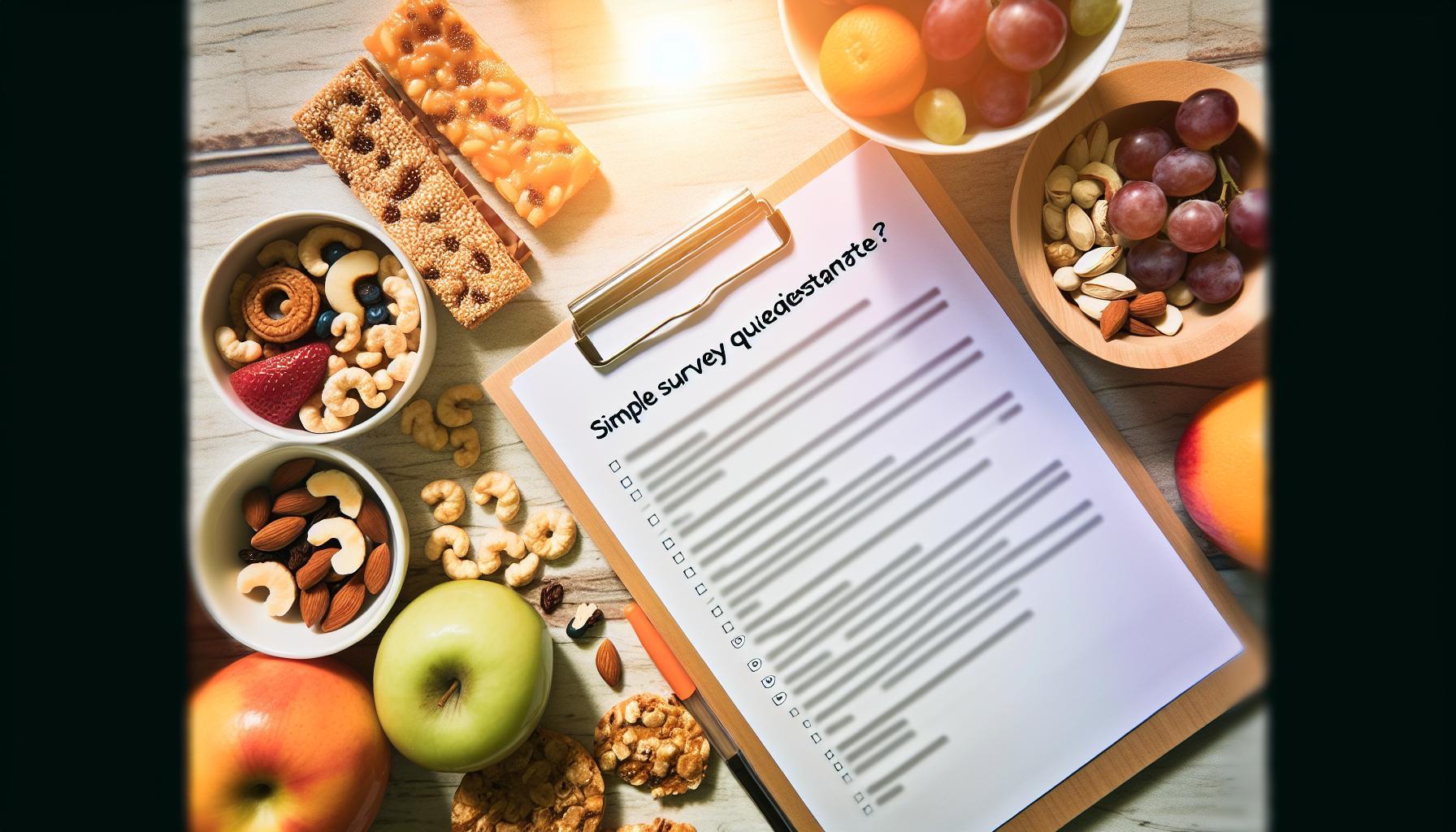

As students juggle rigorous schedules and various commitments, discovering the perfect snack can make all the difference in maintaining energy and focus. This essential survey aims to uncover student preferences for quick and nutritious snacks, helping to guide better choices that cater to busy lifestyles. What snack do students deem the best for fueling their day?
Understanding Students’ Snack Preferences: Why It Matters
Understanding students’ snack preferences can significantly influence their overall educational experience and performance. A study has revealed that students who consume healthy snacks during the school day tend to have better concentration and energy levels, which can lead to improved academic outcomes. Engaging with students through a simple survey questionnaire on what snack is best for them not only helps identify their likes and dislikes but also emphasizes the importance of nutrition in their daily routines.
Why it Matters
When schools, parents, and caregivers understand students’ snack preferences, they can make informed decisions about the types of snacks provided. It is essential to consider the impact that snacks can have on both health and cognitive function. A balanced snack can help to:
- Enhance focus in the classroom
- Boost energy levels during afternoon activities
- Encourage healthy eating habits that last a lifetime
Moreover, actively seeking student input through a survey allows them to feel valued and heard, promoting a sense of community and ownership over their dietary choices. This engagement can also lead to healthier snack options being introduced in school vending machines and lunch programs.
Real-World Application
Implementing findings from a simple survey questionnaire can lead to tangible changes in school policies and snack offerings. For instance, if a substantial number of students express a preference for fruit-based snacks over sugary alternatives, schools can prioritize these options in their food service programs.
To illustrate, consider the results from a survey conducted at one high school:
| Snack Type | Student Preference (%) |
|---|---|
| Fruits | 45% |
| Granola Bars | 30% |
| Chips | 15% |
| Sweets | 10% |
This data reveals that fruits are the most preferred snack among students, suggesting that schools should enhance their fruit offerings to cater to these preferences. Incorporating a variety of healthy snacks not only satisfies students’ cravings but also contributes to healthier lifestyle choices that can positively affect their academic journey.
By fostering an environment that prioritizes healthy snacks based on student feedback, schools can better support the dietary needs and academic success of their students through simple survey questionnaires that capture their true preferences.
Nutritional Needs for Student Snacks: Balancing Taste and Health
In a world where convenience often trumps nutrition, selecting the right snacks for students can be a challenge. The choices made during snack time have lasting effects on energy levels, focus, and overall health. Understanding the balance between taste and health becomes paramount, especially when considering the findings from the “Simple Survey Questionnaire on What Snack Is Best for Students.” This survey highlights students’ preferences while also presenting an opportunity to educate about nutrient-rich options that can easily fit into their busy lifestyles.
To create appealing yet nutritious snacks, it’s essential to focus on a variety of food groups that support students’ physical and cognitive development. A great snack should include a combination of carbohydrates, protein, and healthy fats to sustain energy levels throughout the day. For instance, pairing apple slices with peanut butter not only satisfies a sweet craving but also provides protein and healthy fats to keep students full and focused. Additionally, incorporating whole grains such as oats or brown rice into homemade snacks—like energy bites or veggie-stuffed rice balls—can significantly enhance their nutritional profile.
Smart Snack Choices
Here are some practical snack ideas based on preferences reflected in the survey:
- Fruits and vegetables: Fresh fruits like bananas, berries, or carrot sticks are naturally sweet and full of vitamins.
- Dairy options: Yogurt—especially low-sugar varieties—offers a good source of calcium and protein.
- Protein snacks: Nuts, seeds, or cheese cubes can provide satiety and essential nutrients.
- Whole grain snacks: Granola bars made with oats and honey can be a satisfying, crunchy option when made in moderation.
Choosing snacks that align with the results of the “Simple Survey Questionnaire on What Snack Is Best for Students” can transform snack time into a health-positive experience. For example, offering a snack mix that combines whole grain cereal, dried fruit, and a sprinkle of dark chocolate can appeal to students’ taste preferences while delivering important nutrients. It’s important to involve students in the snack selection process as well; doing so encourages mindfulness about their choices and reinforces positive eating habits that can last a lifetime.
Ultimately, balancing taste and health in student snacks is not just about meeting dietary needs but also about making informed and enjoyable choices. By introducing a variety of flavorful options that adhere to healthy guidelines, students can fuel their minds and bodies effectively, paving the way for better learning and productivity throughout their day.
Top Snack Categories: What Do Students Really Prefer?
When it comes to the world of snacks, preferences among students can significantly influence their choices during study sessions, late-night cramming, or casual hangouts. A recent survey aimed at uncovering the best snacks for students sheds light on popular categories that resonate with their lifestyle. Understanding these preferences helps snack manufacturers and retailers tailor their products to this key demographic.
Sweet Treats: A Sweet Escape
One of the standout categories in the survey results is sweet snacks, which continue to hold a special place in students’ hearts. From chocolate bars to gummy candies, students enjoy indulging in sugary delights that provide a quick rush of energy. The accessibility of these treats makes them perfect for a study break or a quick pick-me-up during classes.
- Chocolate Bars: A perennial favorite, chocolate bars provide a satisfying blend of sweetness and texture.
- Granola Bars: With various flavors, they offer healthier sweetness along with fiber.
- Gummy Snacks: These fun, chewy options make for a great treat without being too heavy.
Savory Snacks: Fueling Productivity
Another significant category that emerged from the survey is savory snacks, which are highly favored for their ability to keep students alert and focused. These include items that are both filling and flavorful, making them ideal for long study hours.
| Snack Type | Description |
|---|---|
| Popcorn | Light and crunchy, popcorn is easy to munch on without feeling too heavy. |
| Cheese Crackers | Combining carbs and protein, these are a quick and tasty option. |
| Nuts and Seeds | Packed with healthy fats, these are great for sustained energy. |
Healthy Alternatives: A Growing Trend
The survey also highlights the rise of healthy snacks among student preferences, as many seek better options that help them maintain energy levels without compromising their health. These snacks often include nutrient-dense ingredients that deliver essential vitamins and minerals.
- Fruit Snacks: Fresh fruits and dried fruit options are popular for their natural sweetness and health benefits.
- Vegetable Chips: Offering a crunchy experience while being vegetable-based, these are gaining traction.
- Protein Bars: As students grow health-conscious, protein bars that combine taste with nutrition are in demand.
Whether they are seeking a sugar rush, something savory, or opting for healthier alternatives, students’ snack preferences reflect a blend of convenience, taste, and nutritional value. As brands respond to these insights from the Simple Survey Questionnaire on What Snack Is Best for Students, the market is likely to see an evolving array of products aimed at satisfying the modern student’s cravings.
Conducting Your Survey: Tips for Effective Student Feedback
To gather insightful feedback from students about their snack preferences, it’s essential to approach the survey creation and distribution process thoughtfully. Engaging students in a way that elicits honest and detailed responses can make all the difference. A well-structured survey not only helps in understanding what snacks students enjoy but also aids in making informed decisions about food offerings in schools.
Designing Your Survey
Start with a clear objective in mind: understanding students’ snack preferences. This focus will guide your questionnaire design. Here are some essential tips to consider when crafting your survey:
- Use Clear and Concise Language: Ensure that questions are straightforward and free of jargon. Students of all ages should be able to understand and respond without confusion.
- Mix Question Types: Combine multiple-choice questions with open-ended responses. For instance, ask, “What is your favorite snack?” alongside choices like fruit, chips, and granola bars to guide responses but still leave room for personalization.
- Keep it Short: A 5-10 minute timeframe is ideal. Short surveys are more likely to be completed by busy students.
- Incorporate Engaging Elements: Use visuals or relatable wording to keep students interested. Consider asking them to rate snacks based on fun criteria, like “snackability” or “after-school mood booster.”
Implementing Effective Distribution Strategies
Once your survey is designed, it’s crucial to distribute it effectively. Consider these strategies to maximize student participation:
- Utilize Digital Platforms: Google Forms or SurveyMonkey can enhance accessibility. Ensure links are easy to share through school emails, newsletters, or class social media pages.
- Incentivize Participation: Offer small rewards like a chance to win a snack pack or extra credit for completed surveys to encourage student involvement.
- Schedule Appropriate Timing: Choose times when students are more likely to engage, such as right after lunch or during homeroom sessions.
Analyzing and Acting on Feedback
Once the data from your simple survey questionnaire on what snack is best for students is collected, analysis becomes paramount. Create tables to help visualize data clearly. Here’s an example of a simple table structure that could be used to present survey results:
| Snack Type | Number of Votes | Percentage of Total |
|---|---|---|
| Fruit | 50 | 25% |
| Chips | 75 | 37.5% |
| Granola Bars | 25 | 12.5% |
| Desserts | 50 | 25% |
By presenting data visually, your results can be easily interpreted, making it simpler to decide which snacks to offer. Always share the findings with students to demonstrate their feedback matters and to encourage ongoing participation in future surveys.
Analyzing Survey Results: Making Sense of Student Snack Choices
Understanding student preferences can significantly enhance the offerings available in schools or cafes targeting this demographic. When utilizing a survey aimed at uncovering snack choices, it’s crucial to dive deep into the responses to uncover actionable insights. The results from a well-structured survey—such as a simple questionnaire designed around what snack is best for students—can reveal not only popular choices but also the underlying reasons driving these preferences.
Start by categorizing the responses received from the survey participants. You might find natural groupings, such as healthy options versus indulgent snacks, or sweet snacks compared to savory ones. Using charts or tables can effectively communicate these insights. For instance, you could present a table showing the percentage of students who prefer certain snacks, making it easier to identify trends:
| Snack Type | Percentage Preference |
|---|---|
| Chips | 35% |
| Granola Bars | 25% |
| Fruit | 20% |
| Candy | 15% |
| Nuts | 5% |
Incorporating visual aids like this also helps stakeholders quickly grasp which snacks are favored. Alongside quantitative data, qualitative feedback—like comments from open-ended survey questions—can provide rich context. Look for patterns in these comments, especially regarding what students value in their snack choices: convenience, taste, nutritional value, or perhaps price. Highlight positive responses and address any concerns that arise to demonstrate responsiveness to student needs.
Moreover, comparing this survey’s findings with past data or similar surveys can help track shifts in preferences over time. For example, if the current survey reveals a growing preference for healthier options compared to a previous survey, it may indicate a broader trend influenced by health campaigns or educational efforts around nutrition. Ultimately, sharing these insights and actionable recommendations based on the analysis not only informs decisions but can lead to enhanced engagement with students as their voices are recognized and valued in the decision-making process related to snack offerings.
The Role of Convenience in Snack Selection for Students
In today’s fast-paced educational environment, students face numerous challenges that extend beyond the classroom, including the need for sustenance that fits into their busy schedules. With limited time between classes and study sessions, the convenience of snack selections is paramount. In a recent evaluation inspired by a Simple Survey Questionnaire on What Snack Is Best for Students, it became evident that many young people prioritize quick and accessible options.
The Allure of Quick Snacks
When students are pressed for time, their snack choices often reflect a desire for immediate gratification. The survey indicated that a significant percentage of respondents gravitated towards snacks that could be consumed without extensive preparation or cleanup. Some popular examples identified include:
- Granola bars
- Fruit cups
- Trail mix
- Yogurt parfaits
- Popcorn
These items not only satisfy hunger but are also portable, allowing students to grab them on their way out the door. The convenience factor is critical; it transforms a simple need for nourishment into an effortless experience.
Nourishing Options That Are Within Reach
However, convenience shouldn’t compromise nutrition. The survey highlighted a growing awareness among students about the importance of healthy snacking. Many prefer options that provide a balance of energy and essential nutrients without the heavy toll of unhealthy ingredients. The table below summarizes some nutritious, convenient snacks chosen frequently by students:
| Snack | Calories | Benefits |
|---|---|---|
| Hummus with veggies | 150 | High in fiber and protein |
| Apple slices with almond butter | 180 | Healthy fats and antioxidants |
| Cheese sticks | 80 | Great source of calcium |
| Rice cakes with avocado | 120 | Rich in healthy fats |
| Protein shakes | 200 | High protein, filling |
These options reflect not only a shift towards healthier eating habits but also demonstrate how convenience plays a crucial role in the food choices students make.
Students on the go are seeking snacks that fuel their bodies while fitting smoothly into their hectic lifestyle. By choosing snacks that are nutritious yet easy to obtain, they can enjoy a balanced diet that supports their academic and extracurricular pursuits. The findings from the Simple Survey Questionnaire on What Snack Is Best for Students are invaluable for those looking to understand the balance between convenience and nutrition in the realm of snack selection.
Flavor Trends: What’s Hot Among Student Snacks Today?
In today’s fast-paced academic environment, students are seeking snacks that not only satisfy their cravings but also fit their busy lifestyles and health-conscious choices. Recent insights gleaned from the “Simple Survey Questionnaire on What Snack Is Best for Students” reveal exciting flavor trends reflecting the diverse preferences of this vibrant demographic. From sweet to savory, students are leaning towards flavors that not only tantalize their taste buds but also provide a sense of comfort during their hectic study sessions.
Sweet Treats with a Twist
The surge in popularity of sweet snacks flavored with unique twists is evident among students. Traditional options like chocolate and cookies are being reimagined with bold ingredients, appealing to both adventurous and nostalgic palates.
- Salted Caramel: Combining sweet and salty, this flavor has made its way into popcorn, cookies, and even yogurt, providing that perfect balance.
- Matcha: The earthy taste of matcha, incorporated in snacks like energy bites and bars, has become a go-to choice for health enthusiasts looking for a caffeine boost.
- Coconut: Whether in the form of chips, energy balls, or as a flavoring in protein bars, coconut lends a tropical flair that many students crave.
Savory Snacking Innovations
On the savory side, a few flavors are emerging as preferred picks based on recent surveys. Students are becoming more adventurous, seeking options that not only fill them up but also excite their palate.
- Spicy Sriracha: Whether in roasted chickpeas or on popcorn, Sriracha’s kick is becoming a staple among those who like a bit of heat in their snacks.
- Herbed Seasoning: Snacks featuring herbs like rosemary or thyme in pretzels and potato chips are gaining traction, offering a gourmet touch.
- Cheesy Variants: From cheddar popcorn to Parmesan crisps, cheesy snacks are enduringly popular, especially among those looking for quick energy boosts.
Health-Conscious Choices
As students become more discerning about their food sources, nutrient-rich flavors are on the rise. According to the results from the “Simple Survey Questionnaire on What Snack Is Best for Students,” many are gravitating toward snacks that combine taste with health benefits. Foods fortified with protein, fiber, and healthy fats are increasingly in demand, allowing students to stay fueled without compromising their wellness goals.
| Snack Type | Popular Flavor | Reason for Popularity |
|---|---|---|
| Protein Bars | Chocolate Peanut Butter | High-energy, satisfying |
| Trail Mix | Dried Cranberry & Almond | Healthy fats, sweet-tart balance |
| Vegetable Chips | Beet & Sea Salt | Unique flavors, healthier crunch |
By tapping into these current flavor trends, brands and vendors can cater to the distinct appetites and nutritional needs of students today, making snacking not just a guilty pleasure but a delightful part of their day-to-day routines. Engaging with students through tailored flavors will not only enhance their snacking experience but also promote a culture of informed and conscious food choices on campuses.
Practical Snack Ideas: Healthy Options That Students Will Love
When it comes to maintaining focus and energy levels during long study sessions, snacks play a crucial role in student life. A recent survey aimed at uncovering preferences revealed some surprising trends in what students consider their go-to snacks. Not only do students crave variety, but they also prioritize health without sacrificing taste. Here are some practical snack ideas that are not only delicious but align with the findings of the survey questionnaire on what snack is best for students.
Fruity Fuel
Fruits are not only nature’s candy but also pack a nutritional punch. Here are a few easy-to-prepare fruit-based snacks that students are sure to love:
- Apple Slices with Nut Butter: Slice up a crisp apple and pair it with almond or peanut butter for a satisfying blend of sweetness and protein.
- Berry Smoothie: Blend a handful of berries with yogurt and a splash of milk for a refreshing and filling drink.
- Banana Oat Energy Bites: Mix mashed bananas with oats, honey, and a sprinkle of cinnamon, then roll into bite-sized balls for an easy snack.
These fruity options not only serve as quick energy boosters but also deliver essential vitamins that can aid cognitive function.
Crunchy, Savory Snacks
When the craving for something savory hits, students can opt for healthier choices without compromising on flavor. Consider these crunch-worthy snacks:
- Popcorn: Air-popped popcorn sprinkled with nutritional yeast or a dash of sea salt makes for a light yet satisfying snack.
- Veggie Chips: Baked kale or beet chips can satisfy the crunch factor and are packed with nutrients.
- Protein-Packed Trail Mix: Combine nuts, seeds, and a few dark chocolate pieces for a snack that is both crunchy and indulgent.
Each of these ideas provides the added benefit of being easy to prepare in bulk, allowing students to grab-and-go during busy days.
Table of Favorite Snack Options
Research from the survey indicates that taste and health are top priorities. Here’s a breakdown of some favorite snack options based on student preferences:
| Snack Type | Preferred Choices | Health Benefits |
|---|---|---|
| Fruits | Apples, Berries, Bananas | High in vitamins, fiber, and antioxidants |
| Crunchy Snacks | Popcorn, Veggie Chips, Trail Mix | Whole grains, low calorie, healthy fats |
| Dips | Hummus, Guacamole | Rich in healthy fats, fiber, and protein |
By understanding the results from the simple survey questionnaire on what snack is best for students, it’s clear that a variety of healthy snacks can cater to diverse tastes while supporting student wellbeing. Whether it’s a fruity bite or a crunchy munch, these options can keep students energized and focused throughout their day.
Faq
What is a Simple Survey Questionnaire on What Snack Is Best for Students?
A Simple Survey Questionnaire on What Snack Is Best for Students is a tool designed to gather opinions from students about their preferred snacks. It typically includes various question types, aiming to capture insights into tastes, nutritional preferences, and convenience.
These questionnaires can include multiple choice questions, ranking items, and open-ended responses. By analyzing the gathered data, educators or researchers can gain a better understanding of students’ eating habits, which can inform school snack policies and health education initiatives.
Why is it important to conduct a Simple Survey Questionnaire on Snacks?
Conducting a Simple Survey Questionnaire on What Snack Is Best for Students helps identify students’ preferences and dietary needs. Understanding these factors is crucial for promoting healthier eating habits and ensuring that available snacks meet students’ tastes and nutritional requirements.
By utilizing this kind of survey, schools can tailor their snack offerings, potentially increasing student consumption of healthier options. Moreover, aligning snacks with student preferences can enhance their overall well-being and improve focus during academic activities.
How do I create a Simple Survey Questionnaire on What Snack Is Best for Students?
To create a Simple Survey Questionnaire on What Snack Is Best for Students, start by defining your objectives. Make a list of question types such as multiple choice or open-ended questions that reflect students’ snack preferences, including healthy options.
Consider asking about favorite snacks, frequency of consumption, and snack purchasing locations. Once you draft your questions, test your questionnaire with a small group before wider distribution to ensure clarity and effectiveness. For more guidance, check out our detailed article on questionnaire design.
Can I use an online tool for my Simple Survey Questionnaire?
Yes, many online tools are available to facilitate creating and distributing your Simple Survey Questionnaire on What Snack Is Best for Students. Popular platforms like Google Forms and SurveyMonkey offer user-friendly templates and analytics.
Using online tools allows for easy data collection and analysis, making it convenient to reach a broad audience quickly. Additionally, many of these platforms provide features for anonymizing responses, which can encourage more honest feedback from students.
What types of questions should I include in my Simple Survey Questionnaire?
In your Simple Survey Questionnaire on What Snack Is Best for Students, include a mix of question types. Use multiple-choice questions for specific preferences, ranking questions for prioritizing options, and open-ended questions for detailed feedback.
Examples of good questions might be: “Which snack do you prefer between chips, fruits, or granola bars?” and “What snack would you like to see more often in school?” This variety helps gather comprehensive insights into students’ snack choices.
How can I analyze the results of my Simple Survey Questionnaire?
Analyzing the results of a Simple Survey Questionnaire on What Snack Is Best for Students involves compiling the data into readable formats, such as graphs or charts, to identify trends and preferences clearly. Use software like Excel or online survey platforms to aid in this process.
Look for patterns in responses, such as the most popular snacks or nutritional preferences indicated by students. This information is invaluable for adjusting snack offerings in schools or for health initiatives aimed at improving student nutrition.
Why does student snack choice matter for schools?
The choice of snacks available to students is essential because it affects their health, energy levels, and academic performance. A Simple Survey Questionnaire on What Snack Is Best for Students can highlight preferences that support healthier options, leading to better student outcomes.
By understanding what snacks students enjoy, schools can provide appealing options that not only satisfy hunger but also contribute to better nutritional choices. This proactive approach promotes a healthier school environment and encourages lifelong healthy eating habits.
In Summary
As we wrap up our exploration of the quintessential survey questionnaire aimed at identifying the best snacks for students, it’s clear that understanding preferences in this area can significantly enhance their snacking experience. We’ve discussed the importance of well-structured questions that gather clear, actionable insights, and how employing a variety of question types—such as multiple-choice, ranking, and open-ended formats—can provide a comprehensive view of the students’ preferences.
Gathering feedback on snacks that fuel academic performance can lead to healthier choices that not only satisfy cravings but also support well-being. Whether you implement this survey online or in person, engaging students in the process assures them that their opinions are valued.
Now that you have the tools to design an effective survey, don’t hesitate to dive deeper into the preferences of your student population. Share your findings, engage in discussions, and take steps towards creating a more fulfilling snacking environment in schools. Happy surveying, and may you discover the snack that resonates best with your student community!