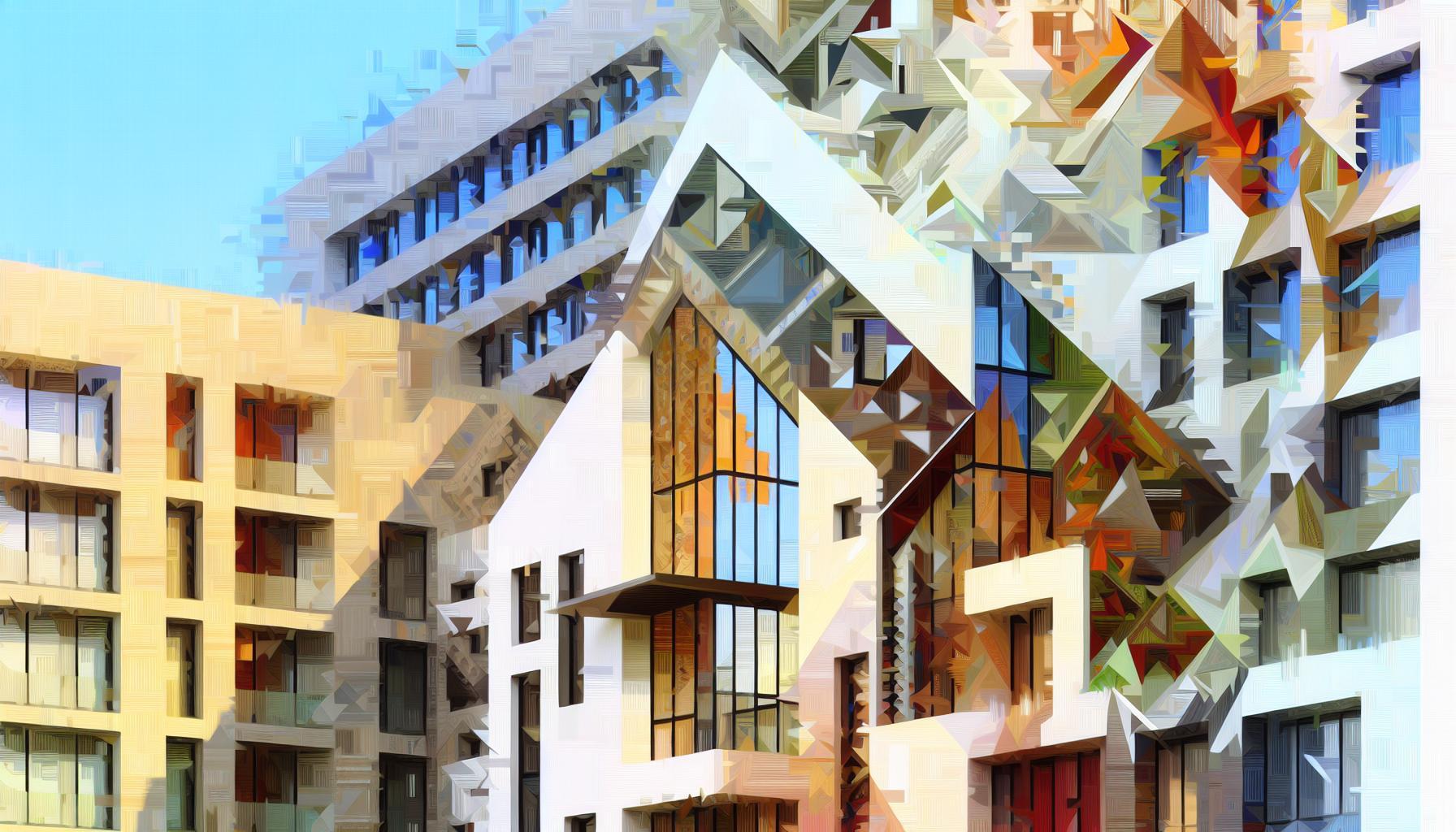

As cities evolve, the debate between modern and traditional architecture intensifies: which style truly resonates with people’s preferences? Understanding these choices is crucial as they reflect cultural identities and societal values. This survey dives into architectural trends, revealing insights into what makes spaces feel like home in today’s rapidly changing world.
Understanding the Appeal: Why Modern Architecture Captivates Many
The allure of modern architecture often leaves a lasting impression on both critics and enthusiasts alike. As urban landscapes evolve, the architectural designs that shape them not only reflect contemporary values but also resonate deeply with communal aspirations. According to the recent findings in the survey on modern vs traditional architecture, it appears that individuals are increasingly drawn to sleek lines, sustainable materials, and open spaces that characterize modern design. This growing preference hints at a wider cultural shift towards functionality and innovation.
Embracing Innovation and Sustainability
One of the primary reasons people are captivated by modern architecture is its emphasis on cutting-edge technology and sustainable practices. Unlike traditional structures that may rely on more conventional techniques, modern buildings often incorporate innovative materials—like recycled steel and glass—that not only enhance aesthetic appeal but also reduce ecological footprints. The integration of green spaces and renewable energy sources embodies a future-focused perspective that resonates with environmentally conscious individuals.
- Sustainable Design Features:
- Use of eco-friendly materials
- Incorporation of green roofs and walls
- Energy-efficient systems with solar panels
This focus on sustainability does more than just appeal to our environmental ethics; it also cultivates a sense of well-being. Studies have shown that spaces infused with natural light and greenery can improve mental health, ultimately fostering a deeper connection between occupants and their surroundings.
Flexibility in Space Utilization
Another aspect underscoring the appeal of modern architecture is the versatility it offers. Open floor plans enable seamless transitions between spaces, catering to contemporary lifestyles that favor flexibility and connectivity. Modern homes often include multipurpose rooms that can effortlessly transform from a home office to a cozy family space. This adaptability is particularly attractive to young professionals and families who seek efficient use of living areas without compromising style.
For instance, take the expansive and open interiors of The Glass House by Philip Johnson. Its transparent walls and minimalistic structure invite nature indoors, creating a sanctuary that exemplifies the marriage of architecture and the natural world.
Systematic Minimalism and Aesthetics
The minimalist principles that underpin modern architecture create an aesthetic that many find soothing and inviting. Stripped of superfluous ornamentation, modern designs focus on purity of form, allowing the beauty of materials and craftsmanship to shine. This clean and uncluttered look offers not just visual appeal but also contributes to a sense of tranquility—a much-needed oasis in fast-paced urban environments.
In the recent survey on modern vs traditional architecture, respondents highlighted the clarity and cohesiveness of modern designs as a key attraction. As cities grow denser, the simplicity and functionality of modern architecture are often perceived as a welcome reprieve amidst the complexity of urban life.
Through these elements, modern architecture captivates not only by its visual impact but also by its relevance to modern living. As people continue to prioritize sustainability, flexibility, and aesthetic simplicity, the appeal of modern architecture is likely to grow, continuously shaping the landscapes of our cities and communities.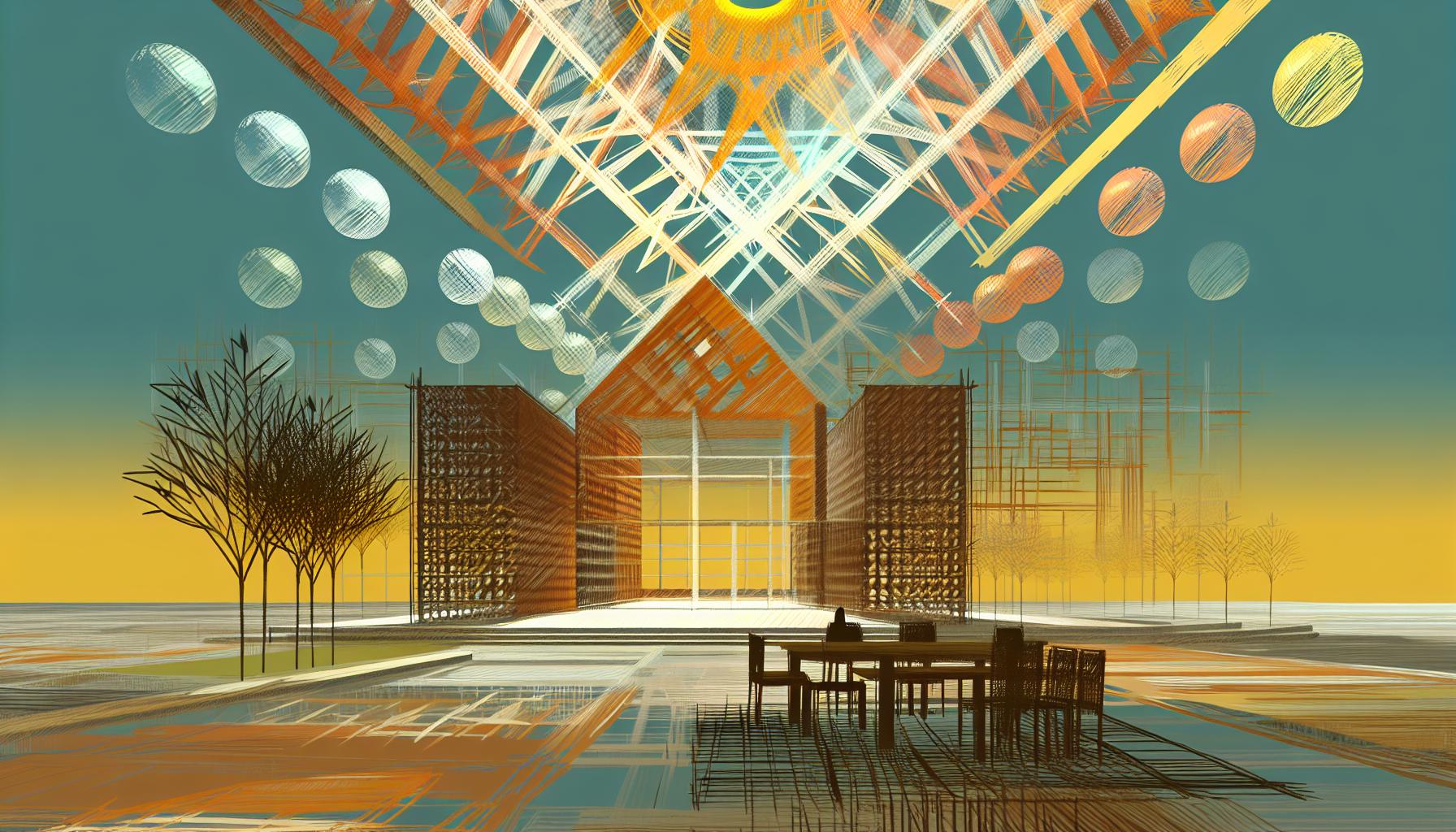
The Timeless Charm of Traditional Architecture: A Closer Look
The allure of traditional architecture lies in its unique ability to weave stories from the past into the fabric of the present. Many individuals appreciate these enduring structures for their historical significance and connection to cultural identity. Unlike modern architecture, which often emphasizes minimalism and functionality, traditional design reflects the artistry and craftsmanship of its time, inviting admiration and invoking nostalgia. The recent findings from the “Survey on Modern vs Traditional Architecture: What People Prefer” reveal a notable preference among many for the character and warmth embodied by traditional buildings, showcasing their timeless charm.
Craftsmanship and Cultural Resonance
One of the most compelling aspects of traditional architecture is the craftsmanship involved in its creation. Artisans often utilize local materials and techniques passed down through generations, which not only enhances aesthetic appeal but also fosters community identity. For instance, in many regions of Europe, timber-framed houses showcase intricate woodwork that reflects local artistry and culture. This deep-rooted connection to place is a significant factor highlighted in the survey, as respondents overwhelmingly value structures that tell their local stories and celebrate their heritage.
Functional Aesthetics
Traditional architecture doesn’t just please the eye; it also serves a practical purpose. Buildings traditionally designed often incorporate features that maximize comfort and sustainability based on climatic conditions. Elements such as steep roofs in colder climates to prevent snow buildup or wide verandas in hotter regions for shade reveal a sophisticated understanding of environmental challenges. As reported in the survey, many people not only admire the aesthetic beauty of these houses but also appreciate their functional design, which has stood the test of time.
Community and Emotional Attachment
A significant takeaway from the “Survey on Modern vs Traditional Architecture: What People Prefer” is the emotional attachment many individuals feel toward traditional designs. These structures evoke a sense of belonging and community, often associated with memories and shared experiences. The survey indicates that people frequently cite family histories tied to certain houses or neighborhoods as influencing their preference for traditional architecture over modern counterparts. This emotional resonance can be further harnessed by community initiatives aimed at preserving local architectural styles, ensuring that future generations can enjoy and connect with their cultural heritage.
In summary, traditional architecture offers a rich tapestry of history, craftsmanship, and emotional significance that resonates deeply with many, as revealed by the recent survey. By recognizing and celebrating these characteristics, communities can foster a stronger appreciation for their architectural heritage, encouraging a blend of preservation and innovation in urban development.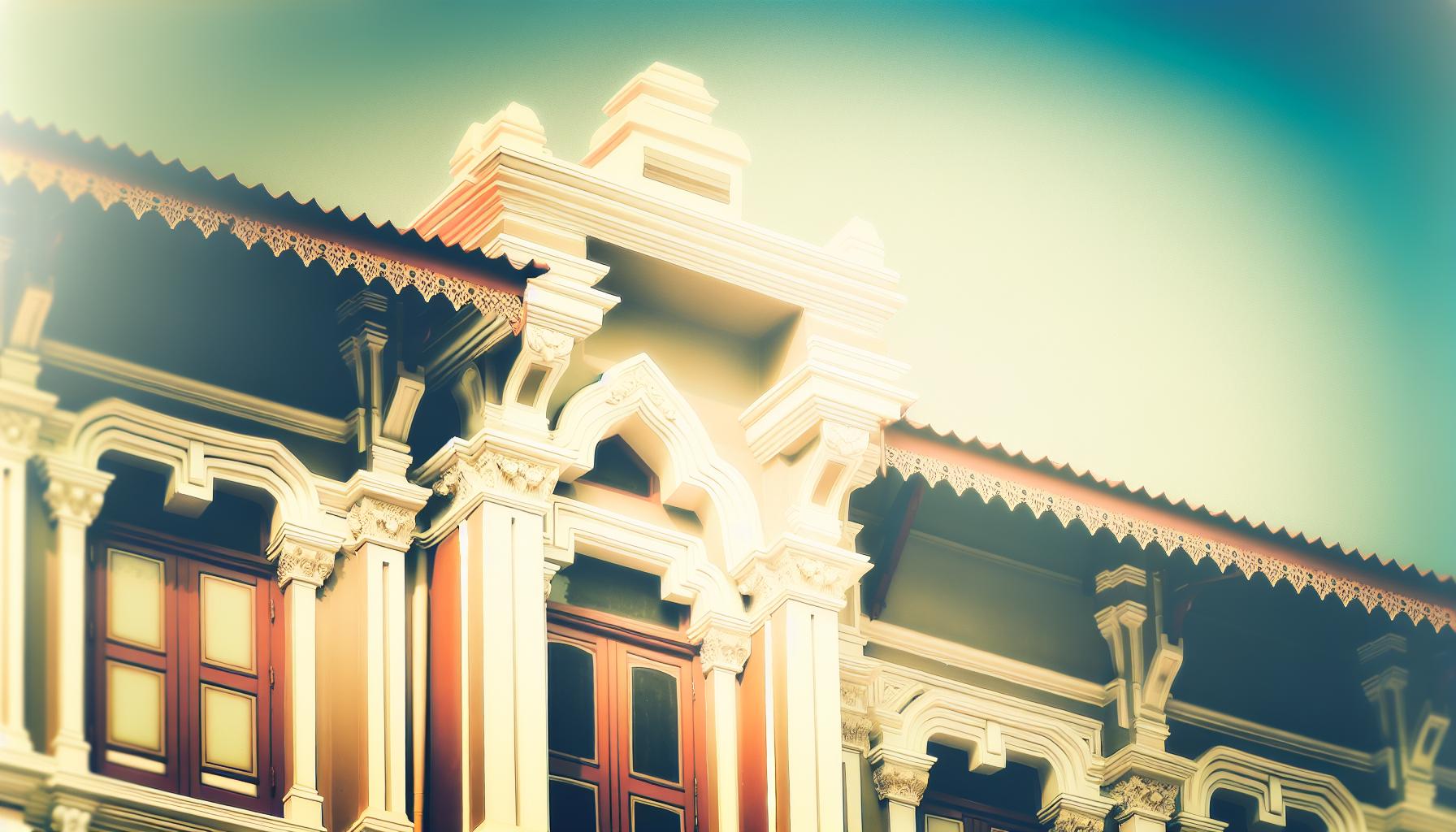
Key Features that Define Modern and Traditional Styles
In a world where the skyline is constantly evolving, the architecture of our surroundings often sparks heated discussions about aesthetic preference. Recent surveys exploring modern versus traditional architecture reveal nuanced insights into how these styles reflect not only personal taste but also cultural and functional values. Below, we explore the key characteristics that unequivocally distinguish modern architecture from its traditional counterparts.
Defining Characteristics of Modern Architecture
Modern architecture is characterized by its innovative use of materials and a focus on functionality. This style emerged in the 20th century as a response to the ornate details typical of previous architectural movements. A few salient features include:
- Simplicity and Minimalism: Clean lines, uncluttered spaces, and a lack of decorative elements define this aesthetic.
- Use of New Materials: Steel, glass, and concrete are prominently used to create unique structures that push the boundaries of traditional building techniques.
- Open Floor Plans: Spaces are often designed to promote flow and light, encouraging versatile uses of space.
- Integration with Nature: Modern designs frequently aim to connect indoor spaces with the outdoors, employing large windows and terraces.
Signature Traits of Traditional Architecture
In contrast, traditional architecture evokes a sense of history and permanence, drawing inspiration from techniques and styles developed over centuries. It prioritizes craftsmanship and details that tell a story about the building’s origins and purpose. Key features include:
- Rich Ornamental Details: From intricate moldings to elaborate facades, traditional architecture showcases skilled craftsmanship.
- Symmetrical Designs: Many traditional buildings emphasize symmetry and proportionality, creating a balanced visual appeal.
- Natural Materials: Wood, stone, and brick are commonly used, providing a warm, authentic feel that often reflects local resources.
- A Sense of Community: Many traditional structures are designed with communal living in mind, fostering connections among inhabitants.
| Feature | Modern Architecture | Traditional Architecture |
|---|---|---|
| Design Philosophy | Functional and minimalistic | Historical and ornate |
| Materials Used | Steel, glass, concrete | Wood, stone, brick |
| Spatial Arrangement | Open floor plans | Defined and separate rooms |
| Connection to Nature | Large windows, outdoor spaces | Gardens, courtyards |
Exploring the distinctions in modern versus traditional styles helps illuminate the preferences revealed in the survey. Understanding these key features can inform prospective homeowners, architects, and urban planners in creating spaces that resonate with contemporary values while respecting historical context.
Cultural Influences Shaping Architectural Preferences Today
Cultural influences play a pivotal role in shaping contemporary architectural preferences, as people increasingly look to their heritage and environmental context when selecting designs for their homes and public spaces. The recent findings from a comprehensive survey on modern versus traditional architecture reveal a strong tendency for individuals to gravitate toward styles that reflect their cultural identity and community values. This inclination stems not only from aesthetic preferences but also from a deeper desire for connection to history and place.
Historical Resonance
Architectural styles that echo historical narratives often resonate more deeply with individuals. For instance, many people prefer buildings that showcase traditional materials and craftsmanship, which are seen as tangible links to their cultural roots. This is evident in regions where local building techniques have been passed down through generations, favoring sustainability and cultural relevance. Such practices not only preserve history but also encourage a sense of belonging among residents.
Community and Identity
The context of community cannot be overlooked; it heavily influences the architectural choices individuals make today. In the survey on modern versus traditional architecture, participants frequently expressed a desire for designs that reflect communal identity and cultural vibrancy. This is leading to a resurgence of traditional motifs in modern designs, creating hybrid styles that celebrate the past while accommodating contemporary needs. For instance:
- Eco-friendly designs: Many modern architects draw inspiration from traditional sustainable practices, such as passive solar heating and rainwater harvesting, integrating them into new builds.
- Public spaces: Town squares and open areas are being designed to reflect local cultural elements, fostering engagement and interaction among diverse groups.
A Shift Towards Inclusivity
The architectural landscape today is also marked by a shift toward inclusivity, where the preferences highlighted in the survey indicate a growing awareness and appreciation for multicultural influences. This trend promotes designs that not only cater to personal taste but also reflect a mosaic of cultural expressions. Architects increasingly collaborate with local communities to create spaces that are representative of multiple perspectives.
By acknowledging the various cultural influences that shape architectural preferences, future developments can be more responsive to the desires and identities of their inhabitants. Understanding these trends allows architects to innovate while remaining respectful of tradition, ultimately crafting spaces that are both functional and beautiful.
Balancing Functionality and Aesthetics in Home Design
Designing a home involves more than just selecting beautiful furnishings or a trendy color palette; it requires a careful balance between functionality and aesthetics. Recent insights from the “Survey on Modern vs Traditional Architecture: What People Prefer” reveal a growing trend towards blending these two elements seamlessly, emphasizing that a visually appealing space should also be practical and comfortable for daily living.
To achieve this balance, consider the following practical approaches:
- Understand Your Lifestyle: Each family has unique needs. For example, families with children may prioritize durable materials and easy-to-clean surfaces, while entertainers might focus on open layouts that facilitate gatherings.
- Incorporate Flexible Spaces: Think about designing multifunctional areas. For instance, a dining table can double as a workspace, allowing you to maximize utility without sacrificing style.
- Choose Timeless Elements: Incorporating classic design features can create lasting appeal. Opt for neutral color palettes and natural materials that enhance beauty while remaining timeless.
Technology also plays a crucial role in harmonizing these aspects. The experience shared in the survey highlighted that many homeowners are interested in smart home features that augment functionality—think smart thermostats and lighting systems that enhance convenience while looking sleek and modern.
As you embark on your home design journey, utilize resources like Houzz for inspiration and Homestyler for visualizing your ideas in 3D. These platforms can help you explore different design aesthetics while ensuring that functionality remains at the forefront. When planning your space, remember that the ultimate goal is to create a home that feels cohesive, inviting, and reflective of your personal style, ensuring that practicality and beauty exist in perfect harmony.
The Role of Sustainability in Modern vs Traditional Architecture
Sustainability has become a cornerstone of contemporary architectural practices, shaping the way buildings are designed and constructed today. A significant influence seen in modern architecture revolves around energy efficiency, the use of renewable resources, and environmentally friendly materials. This contrasts with traditional architectural approaches, which were often more utilitarian and resource-intensive, lacking the emphasis on sustainability that’s prevalent in current designs. The dichotomy of modern versus traditional architecture, as highlighted in the *Survey on Modern vs Traditional Architecture: What People Prefer*, reveals a growing preference for buildings that harmoniously coexist with their environments and are sustainable in the long term.
Key Differences in Sustainability Approaches
When looking at sustainability within modern architecture, several innovative strategies come to light:
- Use of Sustainable Materials: Modern structures frequently utilize recycled and sustainably sourced materials that minimize environmental impacts.
- Energy Efficiency: Cutting-edge technologies, like solar panels and efficient HVAC systems, are standard in new builds, drastically reducing energy consumption.
- Smart Design: Modern designs often incorporate features such as passive solar orientation and green roofs, enhancing the building’s energy efficiency.
In contrast, traditional architecture typically reflects the materials and technologies available at the time of its construction. While many traditional buildings were made from locally sourced, natural materials with some inherent sustainability, they often lacked the sophisticated energy management systems found in modern structures. For example, passive cooling techniques were utilized historically with less awareness of energy consumption but could achieve natural climate control effectively.
Public Preference and Perception
The *Survey on Modern vs Traditional Architecture: What People Prefer* indicates a notable shift in public attitudes towards architecture that prioritizes sustainability. Many individuals express a strong preference for modern designs equipped with sustainable features, recognizing their long-term benefits.
What does this mean for architects and builders? It emphasizes the importance of incorporating sustainable practices into design workflows. Here are some actionable steps:
- Engage with clients about the benefits of sustainable architecture – reduced utility costs, healthier living environments, and compliance with building regulations.
- Invest in training for your team on the latest sustainable technologies and practices.
- Consider certifications such as LEED (Leadership in Energy and Environmental Design) to enhance the marketability of projects.
This intersection between modern and traditional architecture invites a nuanced approach to design, where respect for historical practices meets the pressing need for sustainability in the built environment. By blending the old with the new, architects can create spaces that fulfill contemporary requirements while honoring the craft of traditional design.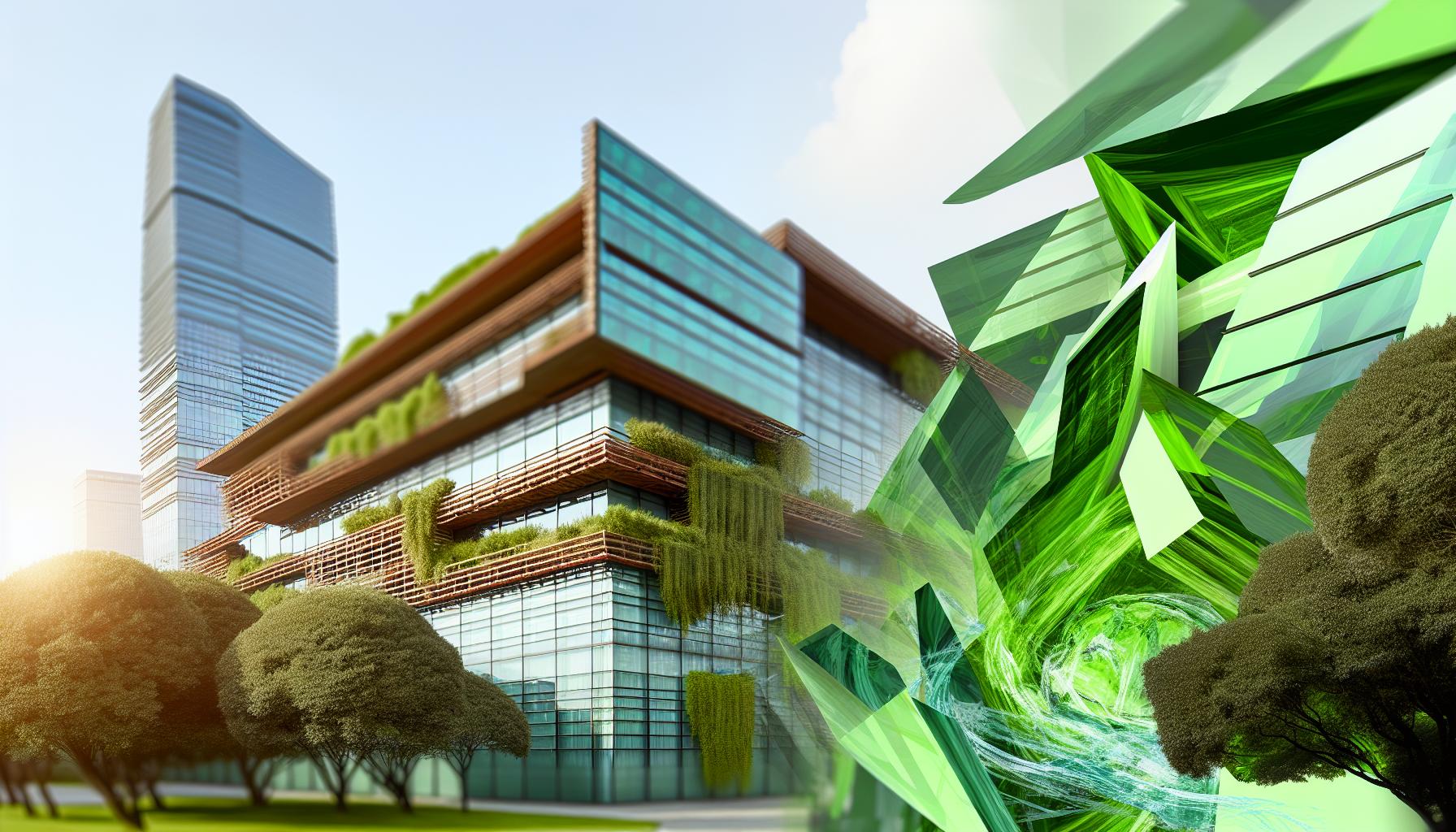
Survey Insights: What the Data Reveals About Public Preferences
A striking trend emerges from the findings of a recent survey examining preferences between modern and traditional architecture: people’s choices tell a compelling story about their values and emotions. Amidst the sleek lines of modern aesthetics and the storied craftsmanship of traditional designs, respondents have articulated a clear preference that goes beyond mere appearances—it’s rooted in personal experiences and cultural heritage.
Visual Appeal and Personal Connection
The survey revealed that approximately 60% of participants gravitated towards traditional architecture, citing its warmth and nostalgic qualities. Key factors influencing this preference include:
- Emotional Resonance: Many respondents feel a deep connection to the intricate designs and historical narratives encapsulated in traditional structures.
- Community Character: Traditional architecture is often seen as a reflection of local identities, making it a favorite among those who value community and heritage.
- Timelessness: Participants expressed that traditional designs convey a sense of permanence and stability, making them preferable for residential settings.
In contrast, the allure of modern architecture, capturing 40% preference, is primarily associated with its functionality and adaptability. Here, respondents highlighted the following attributes:
- Innovative Features: Modern designs often integrate cutting-edge technology, appealing to those who prioritize sustainability and efficiency.
- Aesthetic Minimalism: Many appreciate the simplicity and openness common in modern structures, which can evoke feelings of spaciousness and clarity.
Demographic Trends in Preferences
An analysis of the data indicates that age plays a significant role in architectural preferences. Younger respondents (ages 18-30) displayed a slight preference for modern architecture, appreciating its forward-thinking design and sustainability. In contrast, individuals aged 50 and above leaned more towards traditional architecture, often linked to personal histories or childhood memories.
| Age Group | Preference for Traditional Architecture (%) | Preference for Modern Architecture (%) |
|---|---|---|
| 18-30 | 45 | 55 |
| 31-50 | 55 | 45 |
| 51+ | 65 | 35 |
This data reveals not only a generational divide in taste but also highlights how environmental factors and personal experiences shape architectural preference. For architects and urban planners, understanding these dynamics can guide the creation of spaces that resonate with diverse communities while fostering both modern innovation and appreciation for traditional craftsmanship.
Personalizing Your Space: Blending Modern and Traditional Elements
Creating a harmonious living environment often involves merging the sleek lines of modern design with the warm, inviting features of traditional architecture. Recent findings from the Survey on Modern vs Traditional Architecture: What People Prefer indicate that a significant number of individuals appreciate aspects of both styles, which opens the door to a multitude of possibilities in personalizing your space. By thoughtfully integrating modern elements with traditional aesthetics, you can craft a space that resonates with personal style while answering practicality and comfort needs.
Finding Balance Between Styles
To achieve a well-balanced interior design, consider the following strategies:
- Focus on Key Elements: Identify a predominant style for your room but incorporate a few key elements from the opposing style. For instance, use modern furniture pieces like a sleek sofa with traditional decor such as a vintage coffee table or antique light fixtures.
- Color Palette Unity: Select a cohesive color palette that spans both designs. Soft, neutral colors often work well to bridge the gap, allowing for a seamless transition between modern and traditional pieces.
- Mixing Textures: Combine different materials to enhance visual interest. A modern glass chandelier could complement a rustic wooden dining table, creating a compelling contrast that feels intentional rather than mismatched.
Furniture and Decor Choices
When curating furniture and decorative items, focus on pieces that resonate with both modern and traditional influences:
| Modern Element | Traditional Counterpart |
|---|---|
| Sleek, minimalist furnishings | Ornate wooden pieces with intricate carvings |
| Abstract art or photography | Framed classic paintings or portraits |
| Simplistic geometric rugs | Handwoven Persian or Oriental rugs |
Incorporating these contrasting elements is not just about aesthetics; it’s about storytelling through space. For example, a living room might showcase a contemporary sectional with throw pillows featuring classic patterns, creating a narrative of modern comfort and timeless tradition. This blend enhances the richness of your environment, making it uniquely yours.
As you personalize your space, take time to reflect on what aspects of both architectural styles resonate with you. Drawing inspiration from the Survey on Modern vs Traditional Architecture: What People Prefer, it becomes clear that embracing a duality in design can lead to spaces that are not only functional but also deeply personal.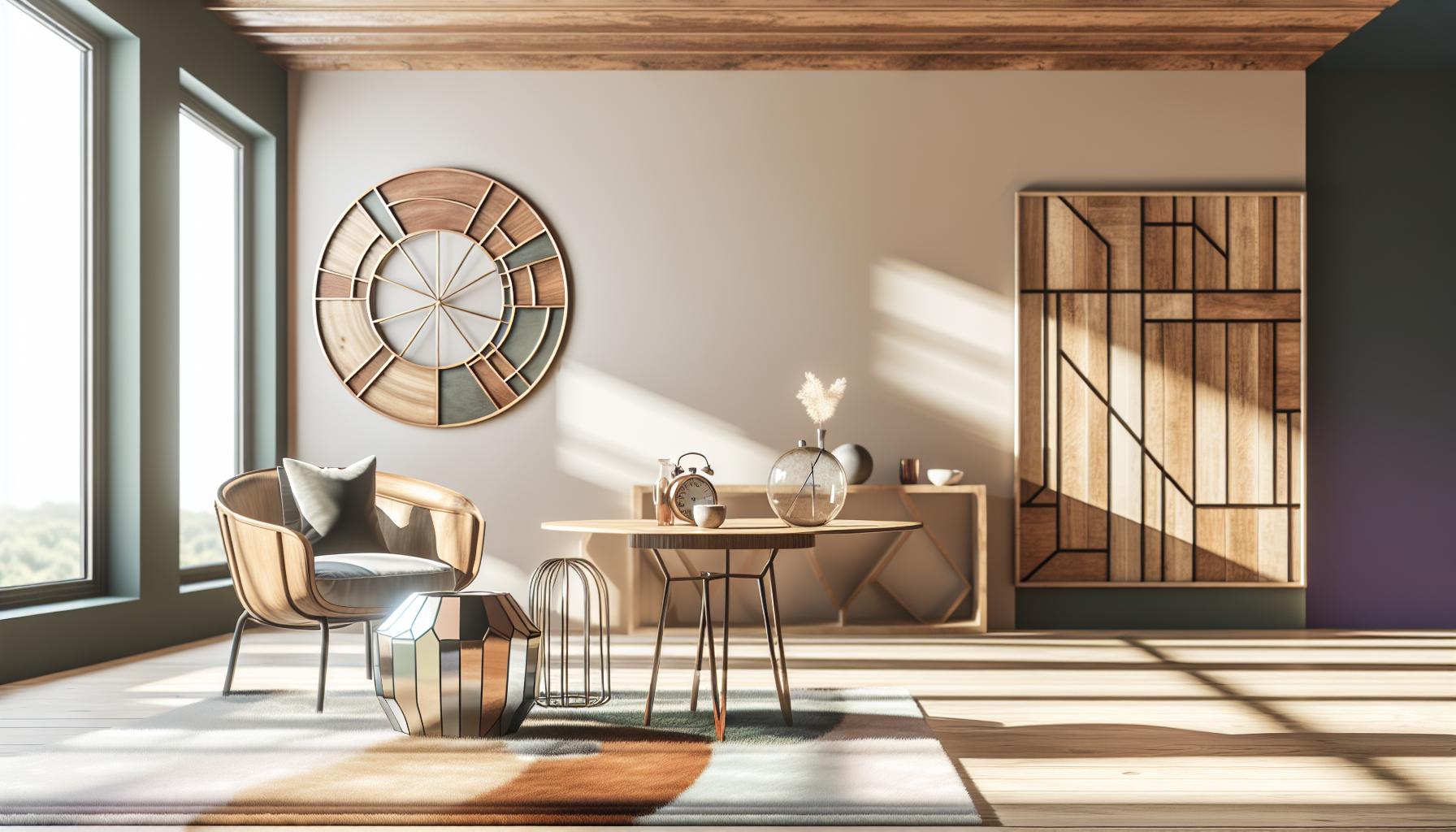
Faq
What is the ‘Survey on Modern vs Traditional Architecture: What People Prefer’?
The ‘Survey on Modern vs Traditional Architecture: What People Prefer’ is a research initiative aimed at understanding public preferences between modern and traditional architectural styles. This survey analyzes various factors such as aesthetics, functionality, and cultural significance. By gathering insights from diverse demographic groups, it seeks to reveal trends and sentiments that shape architectural choices today.
Why does architecture preference matter in urban planning?
Architecture preference is crucial in urban planning since it influences community identity and livability. Understanding what styles people connect with helps planners create spaces that foster a sense of belonging. For instance, incorporating traditional elements can enhance cultural vibrancy, while modern designs might focus on sustainability and innovation.
How to participate in the ‘Survey on Modern vs Traditional Architecture’?
To participate in the ‘Survey on Modern vs Traditional Architecture,’ individuals can typically find the survey link on the hosting organization’s website. Participation usually involves answering a series of questions about your preferences and experiences with different architectural styles. It’s a great way to contribute to important discussions regarding building design and urban aesthetics.
Can I influence architectural design through survey results?
Yes, survey results can significantly influence architectural design by providing data-driven insights into public preferences. Architects and planners consider these findings to align their projects with community desires, enhancing acceptance and satisfaction. This feedback loop ensures that future developments resonate more with the people they serve.
What are the key differences between modern and traditional architecture?
Key differences between modern and traditional architecture include form, materials, and design philosophy. Modern architecture often features minimalist designs, open spaces, and innovative materials, while traditional architecture embraces historical styles, intricate details, and local materials. Understanding these distinctions can help individuals articulate their preferences in surveys like the ‘Survey on Modern vs Traditional Architecture: What People Prefer.’
Why do people prefer traditional architecture over modern styles?
Some people prefer traditional architecture for its historical significance and emotional resonance. Traditional styles often evoke feelings of nostalgia, offering familiarity in contrast to the sleek lines of modern buildings. Additionally, local craftsmanship and details often found in traditional designs connect individuals with their cultural heritage, shaping their preferences as reflected in architectural surveys.
What trends are emerging in modern architecture preferences?
Emerging trends in modern architecture emphasize sustainability, technology integration, and adaptability. Today’s designs often include eco-friendly materials and energy-efficient systems, responding to the growing demand for environmentally conscious living. Furthermore, flexible spaces that can be repurposed for various needs are becoming increasingly popular, showcasing the dynamic nature of modern architecture preferences.
Concluding Remarks
As we wrap up our exploration of the preferences revealed in the survey on modern versus traditional architecture, it’s clear that this debate extends far beyond mere aesthetics. With modern designs often celebrated for their sustainability and innovation, and traditional styles cherished for their history and cultural significance, each approach offers unique benefits.
It’s important to recognize that personal preference plays a significant role in shaping our environments. For those drawn to modern architecture, consider how elements like minimalism and open spaces can enhance functionality in your own home. Conversely, if you find yourself captivated by traditional styles, think about how incorporating classic materials and craftsmanship can evoke a sense of warmth and timelessness.
As you reflect on your own architectural preferences, ask yourself what truly resonates with you and why. Engaging deeper with this topic can lead to a more fulfilling personal space that reflects your values and lifestyle. We encourage you to share your thoughts, experiences, and questions in the comments below. Let’s continue this conversation and explore how we can creatively blend influences from both styles to create environments that inspire and comfort us all.