Exploring the depths of a cave presents unique challenges, from navigating intricate formations to accurately mapping unseen terrains. Effective surveying techniques are vital for spelunkers not only to document their findings but to ensure safety during exploration. Understanding these methodologies empowers adventurers to uncover the beauty and complexity of subterranean ecosystems responsibly.
Understanding the Unique Environment of Caves: What Every Spelunker Needs to Know
Exploring caves reveals a complex and captivating environment, rich in geological formations, unique ecosystems, and fascinating history. Understanding the nuances of this subterranean world is essential for anyone venturing into the depths, particularly when engaged in activities such as surveying the cave. Just as a spelunker needs to familiarize themselves with the unique challenges posed by cave structures, they must also grasp the delicate interplay of factors influencing cave ecosystems.
Geological Features and Their Significance
Caves are primarily formed through the erosion of rock by water, a process that takes thousands of years and results in spectacular geological features. These can include stalactites, stalagmites, flowstones, and large caverns. Each feature can have its own distinct characteristics, such as:
- Stalactites: Formed from minerals deposited by dripping water from the ceiling of the cave.
- Stalagmites: Created from the minerals that accumulate on the ground from dripping water.
- Flowstones: Sheets of mineral deposits that form on the floors and walls, often creating stunning formations.
Recognizing these features not only enhances the spelunking experience but is also critical when surveying caves. Accurate mapping of these formations helps in understanding cave dynamics and contributes to preserving their natural beauty.
Unique Environmental Conditions
The environmental conditions within caves differ significantly from those on the surface. Factors such as temperature, humidity, and light levels can vary dramatically, creating microhabitats for specialized flora and fauna. For example, many caves maintain a constant temperature year-round, typically cooler than outdoor temperatures. Humidity levels can reach 100%, making the atmosphere distinctly damp.
Spelunkers should be aware of several key environmental aspects:
- Cave fauna: Many species are uniquely adapted to cave life, such as bats, cave fish, and various insects, which play vital roles in the ecosystem.
- Water sources: Caves often house underground rivers and lakes, which can be crucial for local geology and ecology.
- Soil composition: Understanding the soil and sediment types can aid in recognizing fragile areas that require careful navigation during surveys.
Thus, respecting and protecting these unique environmental conditions is paramount for every spelunker.
Survey Techniques and Safety Alerts
When a spelunker surveys a cave, they encounter unique challenges that necessitate specialized techniques. Mapping often requires the use of tools like compasses, inclinometers, and laser rangefinders to ensure accuracy in the often-unpredictable cave geometries. Recording precise measurements of formations is essential when cataloging features for scientific study and conservation efforts.
However, the very act of surveying can disrupt delicate ecosystems. To mitigate this, spelunkers should:
- Stay on established paths to avoid eroding sensitive areas.
- Minimize the use of flashlights—only use them when necessary to preserve the cave’s natural darkness, important for nocturnal creatures.
- Carefully document formations and take notes rather than moving or disturbing geological structures.
Implementing these practices not only safeguards the cave environment but also enriches the spelunking experience by fostering a deeper connection to these remarkable natural wonders.
In conclusion, understanding the unique environment of caves is essential for any spelunker. From geological features and environmental conditions to effective surveying techniques and safety precautions, each aspect plays a vital role in ensuring a rewarding experience while promoting conservation efforts for future generations. As you embark on your spelunking adventures, remember that you are not just exploring a cave; you are entering a dynamic ecosystem that deserves your respect and care.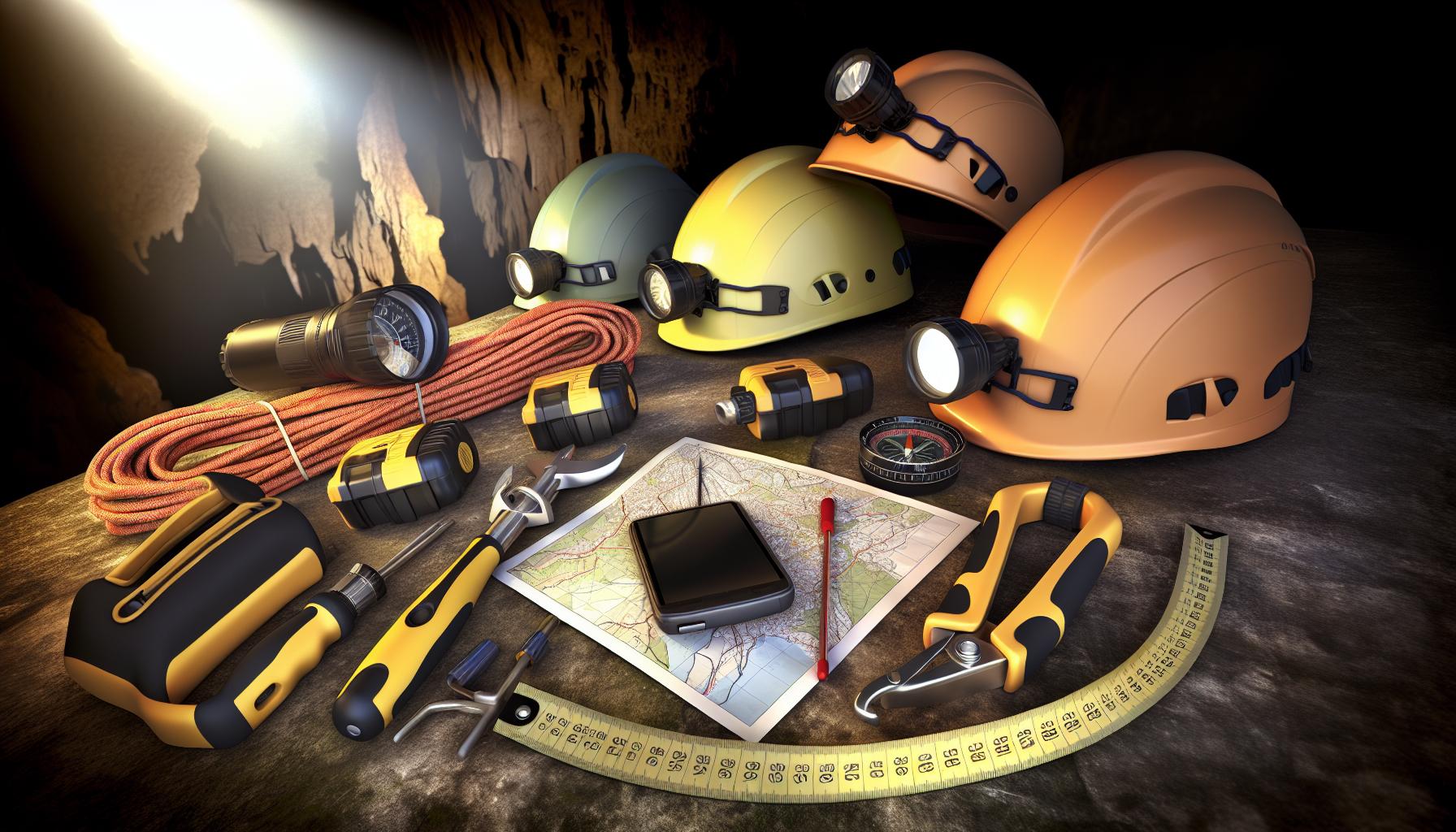
Essential Surveying Gear for Safe and Effective Cave Exploration
When venturing into the depths of a cave for surveying purposes, having the right equipment is crucial for both safety and accuracy. The unique challenges that arise during cave exploration, particularly those involving unique geological formations and varying terrains, require specialized gear to navigate effectively. Each item plays a vital role in ensuring that the spelunker can document their findings accurately while also maintaining a safe environment during their expeditions.
Essential Surveying Tools
To successfully survey a cave, consider incorporating the following essential gear into your toolkit:
- Compass and Clinometer: These tools help establish accurate bearings and vertical angles, crucial for mapping the cave’s orientation.
- GPS Device: Although GPS signals can be unreliable underground, having a handheld GPS for above-ground navigation or noting surface points can be invaluable.
- Measuring Tape or Laser Rangefinder: For precise distance measurements between points, especially over difficult and uneven terrain, these measuring tools are essential.
- Cave Surveying Software: Use software designed for cave mapping to organize and analyze data collected during expeditions effectively.
- Headlamp with Extra Batteries: Adequate lighting is essential in caves. A durable headlamp leaves your hands free while providing bright, focused light.
Personal Safety Equipment
Beyond surveying tools, personal safety gear cannot be overlooked. Caving involves potential hazards, and being well-prepared can mitigate risks significantly:
- Helmet: Protects against falling rocks and provides a mount for your headlamp.
- Sturdy Footwear: Good-quality, waterproof boots provide grip and protection against slippery surfaces.
- First Aid Kit: A compact first aid kit tailored for cave conditions is essential for treating minor injuries.
- Rope and Climbing Gear: If your survey requires ascents or descents, ensure you have the appropriate climbing equipment.
The combination of these tools and safety gear will empower spelunkers to face the unique challenges encountered when surveying caves. Utilizing proper equipment not only enhances accuracy in documentation but also prioritizes personal safety, fostering a successful and enjoyable exploration experience. When on an expedition, always remember that preparation is key, and equipping yourself with the right gear can make a significant difference in achieving your surveying goals efficiently.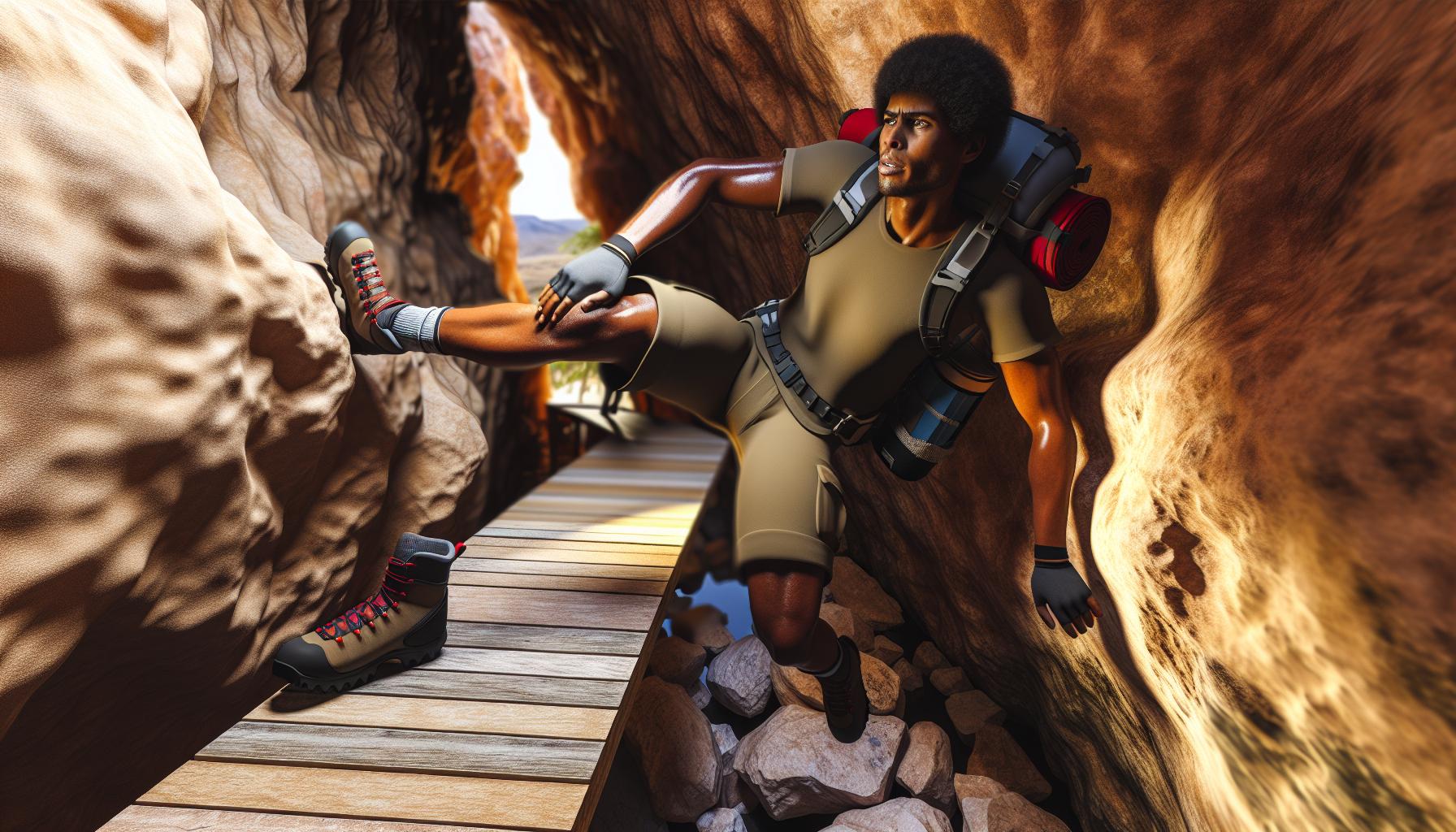
Overcoming Physical Challenges: Navigating Tight Spaces and Uneven Terrain
Navigating the intricate labyrinth of a cave presents a unique set of physical challenges that every spelunker must confront. Tight spaces, uneven terrain, and unpredictable geological features demand both physical resilience and strategic planning. One of the most common obstacles encountered is the narrow passageways, which can require spelunkers to contort their bodies in ways that test their physical limits. To overcome such challenges, preparation is key.
Strategies for Maneuvering
To successfully navigate tight spaces, consider the following tactics:
- Choose the Right Gear: Use a lightweight helmet with an integrated headlamp to keep your hands free. Opt for a slim-fit spelunking suit that allows for flexibility without excess bulk.
- Body Positioning: Engage in techniques like the “side shuffle” to minimize the width of your body in narrow passages, paving the way forward with cautious movements.
- Team Communication: Maintain a clear line of communication with your group. Using simple signals can help ensure that everyone is aware of movements and potential hazards.
While navigating these confined areas, uneven terrain can also pose significant risks, including unstable footing and sudden drops. Spelunkers must remain vigilant and adaptive. Assessing the ground conditions continually will enable spelunkers to anticipate potential hazards and adjust their paths accordingly.
Dealing with Uneven Terrain
When traversing uneven ground, implement these practical measures:
- Footwear: Invest in sturdy, high-traction boots designed for spelunking. These should provide ankle support and possess soles that grip well on various surfaces.
- Use of Tools: Carry climbing gear, such as ropes or harnesses, to assist when navigating steep or unstable areas. These tools can provide vital support and prevent falls.
- Regular Checks: Before proceeding, examine your path for loose rocks or other debris that could contribute to slips. Ensuring each step is secure will foster confidence as you move through the cave.
By equipping yourself with the proper strategies, tools, and mindset, the daunting task of surveying a cave becomes more manageable. Embracing the challenges of tight spaces and uneven terrains not only enhances your spelunking experience but also leads to the production of more accurate and reliable cave maps, integral to the art of cave surveying.
Techniques for Accurate Mapping in Dark and Complex Underground Spaces
Exploring underground spaces often resembles a journey into the unknown, where darkness and intricate formations challenge the most skilled spelunkers. When it comes to accurately mapping these unique environments, a combination of traditional and innovative techniques is essential to overcome obstacles such as limited visibility, complex geometries, and uneven surfaces. Drawing from the insights of those who navigate caves and similar subterranean habitats, we can highlight key methods that ensure precise and effective mapping.
Utilizing Advanced Technologies
With the advent of modern technology, techniques for mapping dark and complex underground spaces have drastically improved. 3D laser scanning is one of the most impactful innovations in this field. By emitting laser beams that capture millions of data points within seconds, this method allows spelunkers to create highly detailed, three-dimensional representations of cave systems. Additionally, ground-penetrating radar (GPR) is increasingly used to reveal subsurface structures without invasive drilling, making it invaluable for assessing geological formations and locating utilities or artifacts hidden below.
Another promising technology is photogrammetry, which involves capturing overlapping photographs of underground features to generate accurate models. When combined with drones, photogrammetry can be particularly effective in large cave systems where accessibility may be limited. These technologies not only enhance accuracy but also significantly expedite the mapping process, allowing spelunkers to cover more ground in less time.
Hands-On Survey Techniques
Despite advancements in technology, traditional survey techniques remain crucial in underground mapping. Triangulation and trilateration techniques, which involve measuring angles and distances between known points, help create a foundational understanding of a cave’s layout. Utilizing a compass and measuring tape, spelunkers can effectively map narrow passages and complex sections, especially in environments where GPS signals may falter.
Effective note-taking is equally important during surveys. Keeping detailed records of observations, including dimensions, formations, and potential hazards, ensures that the mapping process remains thorough and informative. It’s beneficial to develop a standardized form for these notes to streamline the process and enhance data reliability.
Safety and Accessibility
Safety is paramount when mapping underground spaces. Proper gear, including helmets with lights, sturdy footwear, and harnesses, should be standard for all spelunkers. Planning ahead for safe entry and exit points, particularly in complex systems, is essential to avoid accidents. Additionally, the use of reflective markers can help indicate paths and features, guiding teams during explorations and preventing miscommunication in darker areas.
Lastly, engaging with local caving communities can offer invaluable insights. Sharing techniques and experiences can lead to improved methods and innovative solutions tailored to the specific challenges of each cave. By combining cutting-edge technology with proven traditional methods, spelunkers can accurately map the intricate beauty of underground worlds, paving the way for future explorations.
Geological Considerations: How Rock Formations Impact Surveying Methods
When it comes to exploring caves, the type of rock formations and geological features present can significantly influence the choice of surveying methods employed. Unique challenges arise that can complicate the process, as spelunkers navigate intricate pathways, variable terrains, and diverse rock substrates. Understanding these factors is crucial for effective data collection and analysis during cave surveying, as they dictate both the methodology and instruments utilized.
Influence of Rock Types on Surveying Techniques
Different rock formations—such as limestone, sandstone, and granite—present varying levels of hardness and stability, which can complicate traditional surveying methods. For instance:
- Limestone: Known for its complex karst features, including sinkholes and caverns, surveying in limestone areas often requires specialized techniques like cave mapping and geological interpolation to accurately represent subsurface features.
- Sandstone: Sandstone formations can be more consistent in terms of structure; however, they may erode quickly, necessitating the use of more durable markers and stable reference points during mapping.
- Granite: Its rigid structure often allows for precise measurements but can hinder access to certain areas, requiring spelunkers to adapt their methods accordingly.
Such rock characteristics not only shape the physical landscape but also impact the accessibility and safety of surveying operations. For instance, the weathering of softer rocks can lead to unstable ceilings in cave environments, necessitating additional precautions and potentially altering survey routes to avoid hazardous areas.
Adaptation of Surveying Techniques
To navigate these geological considerations effectively, spelunkers often leverage a combination of traditional and modern surveying techniques within their workflows. For example:
- GPS and Surveying Instruments: While GPS devices may struggle in subterranean environments, traditional instruments like theodolites and compasses can still provide accuracy in well-lit sections.
- 3D Mapping Technologies: Advancements in technology, such as LiDAR scanning, have emerged as essential tools for capturing intricate cave geometry quickly and accurately, regardless of rock type.
Furthermore, robust safety measures must be woven into the methodological framework. Spelunkers should be equipped to monitor rock stability and geological changes dynamically, ensuring that the surveying process is both safe and precise. Continuous training regarding the specific geological conditions encountered can enhance the team’s preparedness and adaptability.
In summary, the interplay between different rock formations and surveying methods is intricate, requiring a keen understanding of geological features and smart adaptation of tools and techniques. By embracing the complexities of cave environments, spelunkers can effectively document and analyze subterranean landscapes, overcoming the unique challenges presented by their surroundings.
Collaborating with Fellow Spelunkers: Building a Team for Better Results
Exploring caves offers not just the thrill of adventure but also a unique opportunity for personal growth through collaboration. The subterranean landscape can be treacherous and challenging, making teamwork vital for navigating the diverse terrain and ensuring everyone’s safety. Engaging with fellow spelunkers enhances the overall experience, transforming a daunting task into a shared adventure. Whether you’re maneuvering through narrow passages or conducting complex surveying tasks, having a reliable team can significantly enhance your efficiency and bolster morale.
Effective Communication
One of the keys to successful spelunking is maintaining clear and open communication among team members. This ensures that everyone is aware of each other’s locations and intentions while navigating the cave. Establish protocols for communication before entering the cave, which might include specific signals or phrases that help in coordinating activities, especially in areas where visibility is limited. Regular check-ins can also help in keeping team dynamics strong and provide a sense of security.
Roles and Responsibilities
Assigning specific roles to each team member can streamline tasks and improve the overall efficiency of your spelunking expedition. For example, you might designate roles such as navigator, safety officer, and equipment coordinator. This division of labor ensures that each aspect of the spelunking experience is managed effectively. Here are some examples of roles you could consider:
- Navigator: Responsible for charting the course and ensuring the team stays on track.
- Safety Officer: Monitors risks and enforces safety protocols to prevent accidents.
- Equipment Coordinator: Manages equipment and supplies, ensuring everything is in good working order.
By clarifying responsibilities, team members can focus on their tasks and contribute to a seamless spelunking experience.
Building Trust
Trust among team members is foundational to effective collaboration in spelunking. It is essential to choose participants who share similar levels of experience and commitment. Team-building exercises before venturing into caves can enhance camaraderie and prepare members for the challenges ahead. Developing a strong bond allows team members to rely on each other during critical moments, whether it involves assisting in tricky descents or supporting someone who may struggle with their fear of enclosed spaces.
In conclusion, the combination of effective communication, clearly defined roles, and a solid foundation of trust can significantly improve the experience of surveying caves. By leveraging the unique strengths of each team member and cultivating a supportive environment, you can navigate the complexities of the underground world more safely and enjoyably. This collaborative spirit not only contributes to personal growth but also enhances the overall adventure of spelunking, making every exploration unforgettable.
Safety Protocols: Ensuring Well-Being While Surveying in Remote Locations
When venturing into the depths of a cave to conduct surveys, safety must be the foremost concern for spelunkers and surveyors alike. The unique environment presents distinct challenges that require well-defined safety protocols to ensure the well-being of all participants. The absence of natural light, unpredictable terrain, and potential hazards such as falling rocks or rising water levels necessitate thorough preparation and heightened awareness. Incorporating safety measures is not merely a precaution; it is essential for the successful completion of any surveying project in remote locations.
Essential Safety Protocols
To facilitate a secure and efficient surveying experience, the following protocols should be strictly observed:
- Pre-Survey Briefings: Conduct comprehensive briefings to inform the team about the cave environment, specific hazards, and emergency plans.
- Personal Protective Equipment (PPE): Ensure all team members are equipped with appropriate PPE, including helmets with headlamps, gloves, and durable footwear.
- Buddy System: Utilize a buddy system to enhance safety, ensuring that team members are always within sight of one another.
- Regular Check-Ins: Establish scheduled check-ins to communicate progress and ensure all members are accounted for.
- Emergency Preparedness: Prepare for emergencies by having first aid kits and necessary rescue equipment readily accessible.
Adhering to these protocols lays the foundation for a safer exploration. As spelunkers navigate through narrow passages or cross uneven ground, the importance of communication cannot be overstated. Techniques such as using hand signals or walkie-talkies enhance coordination and help prevent accidents in areas where natural acoustics may hinder verbal communication.
Continuous Training and Awareness
Equipping team members with the knowledge of cave-specific hazards is vital. Regular training sessions can significantly reduce risks associated with surveying in confined spaces. Awareness of one’s surroundings, including potential slip hazards or unstable formations, is crucial in maintaining safety. Moreover, experienced spelunkers often recommend conducting practice surveys in less challenging environments to refine techniques and address any gaps in knowledge before facing the complexities of actual cave surveying.
Moreover, employing techniques and equipment specifically designed for cave mapping, as outlined in “A Spelunker Is Surveying a Cave: Unique Challenges and Survey Techniques,” can significantly improve both efficiency and safety. Incorporating advanced tools such as laser range finders and rugged GPS devices enables surveyors to navigate and map remote locations more accurately, ultimately enhancing their safety and effectiveness during cave explorations.
By establishing strict safety protocols, ensuring continuous training, and utilizing specialized equipment, surveying in remote locations like caves can be conducted safely. The journey may be fraught with challenges, but with preparation and vigilance, spelunkers can ensure that their surveying endeavors are both productive and safe.
From Data Collection to Analysis: Turning Findings into Insightful Maps
The process of transforming raw data into informative maps is an intricate yet rewarding journey, particularly evident in the context of cave surveying. As spelunkers venture into the depths of underground caverns, they face unique challenges that demand innovative survey techniques. From navigating uncharted territories to accurately capturing geospatial data, every step taken in the field is crucial for creating insightful representations of these subterranean environments.
To effectively survey a cave, it’s vital to utilize specific data collection methods that cater to the complexities of these natural formations. Spelunkers often rely on traditional tools such as compasses for navigation and clinometers for measuring angles. Additionally, advancements in technology, including laser range finders and GPS systems, have revolutionized cave mapping. These tools allow for precise measurements and enhanced data accuracy, which are critical when plotting the intricate layouts of caverns.
Once the data is collected, the next phase involves rigorous analysis. Utilizing software designed for Geographic Information Systems (GIS), spelunkers can transform their meticulous field notes and measurements into detailed digital maps. This analytical process involves layering multiple data sets—such as speleological features, rock formations, and hydrological systems—each of which can be examined individually or in conjunction to understand the cave’s dynamics better. The visual output facilitates not only exploration but also the conservation of these fragile ecosystems.
When it comes to presenting the findings, visual storytelling becomes essential. Engaging maps that highlight key findings can aid in educational outreach and conservation efforts. Techniques such as color coding, 3D modeling, and interactive elements can enhance the audience’s understanding and appreciation of cave systems. For spelunkers and researchers, the journey from data collection to insightful maps is not just about documentation; it’s about fostering a deeper connection between humans and the intricate beauty of cave environments.
Frequently Asked Questions
What unique challenges does a spelunker face while surveying a cave?
A spelunker faces unique challenges such as navigating difficult terrain, dealing with low visibility, and encountering unexpected geological formations. These factors complicate the surveying process, making it essential for spelunkers to be adaptable and prepared.
For example, uneven surfaces can cause trips or falls, while water pools may obscure pathways and create hazards. Additionally, cave formations like stalactites and stalagmites can hinder movement, requiring meticulous planning and caution. Understanding these challenges is vital for safely executing cave surveys.
How can spelunkers effectively survey a cave?
Spelunkers can effectively survey a cave by employing systematic mapping techniques and using specialized tools such as compasses and laser rangefinders. These methods help ensure accurate data collection.
Using 3D mapping technologies can significantly enhance the surveying process. Additionally, taking precise notes about cave conditions, such as the presence of water and rock formations, allows for better understanding and documentation. Proper training in cave mapping techniques is also crucial for success.
What equipment is necessary for spelunking surveys?
Essential equipment for spelunking surveys includes helmets with lights, sturdy footwear, climbing gear, and mapping tools like compasses and GPS devices. Each item plays a crucial role in ensuring safety and accuracy.
For example, wearing a helmet protects against falling rocks, while headlamps ensure visibility in dark areas. Sturdy footwear provides grip on slippery surfaces, and GPS devices can help navigate complex cave systems. Knowledge of using this gear makes the spelunking experience safer and more efficient.
Why is cave surveying important for spelunkers?
Cave surveying is important for spelunkers because it helps map and understand subterranean environments, facilitating safe exploration and conservation efforts. Accurate surveys can reveal unexplored areas and inform future spelunking activities.
Furthermore, data gathered through surveys can be used in scientific studies to monitor cave ecosystems and identify potential risks, such as structural instability. This information is valuable not only for spelunkers but also for researchers and environmentalists working to preserve these unique habitats.
Can I survey a cave without prior experience?
While it is possible to survey a cave without prior experience, it is not advisable. Many hazards, such as unstable rock formations and low visibility, can pose significant risks to inexperienced spelunkers.
Participating in guided spelunking tours or training programs can provide essential skills and knowledge. Learning from experienced spelunkers helps build confidence and proficiency in surveying techniques, ensuring a safer and more enjoyable experience in the cave.
What techniques are used in cave surveying?
Common techniques in cave surveying include triangulation, compass traversing, and digital mapping. Each method contributes to creating accurate representations of the cave’s layout.
Triangulation involves measuring angles between known points, while compass traversing uses directional bearings to map paths. Additionally, many spelunkers now employ digital tools that allow for efficient 3D modeling of cave systems. These techniques enhance the understanding of cave formations and assist in safe navigation.
What safety precautions should spelunkers take while surveying?
Safety precautions for spelunkers include wearing appropriate gear, checking weather conditions, and always having a buddy system in place. These measures help reduce the risk of accidents during cave surveys.
It is crucial to remain aware of the cave’s conditions, such as potential flooding and temperature changes, which can affect safety. Additionally, carrying a first aid kit and knowing emergency procedures can be lifesaving. Implementing these precautions ensures a safer spelunking experience while surveying.
In Retrospect
As we wrap up our exploration of the unique challenges and innovative survey techniques faced by spelunkers, it’s clear that cave surveying is both an intricate science and an adventurous pursuit. From understanding the diverse geology of cave systems to mastering the use of specialized tools like compass clinometers and laser rangefinders, every aspect plays a crucial role in accurately mapping these underground wonders. Remember, the heart of successful spelunking lies not just in the thrill of exploration but also in safety and preparation. Equip yourself with knowledge—always prioritize safety protocols, such as never diving into a cave unaccompanied and ensuring your gear is up to the task.
If you’re eager to delve deeper into this fascinating subject, consider connecting with local caving clubs or joining workshops dedicated to cave geology and surveying techniques. Each cave surveyed adds to our understanding of these mysterious environments and fosters a deeper appreciation for our planet’s underground ecosystems. Embrace the adventure, stay curious, and keep exploring!