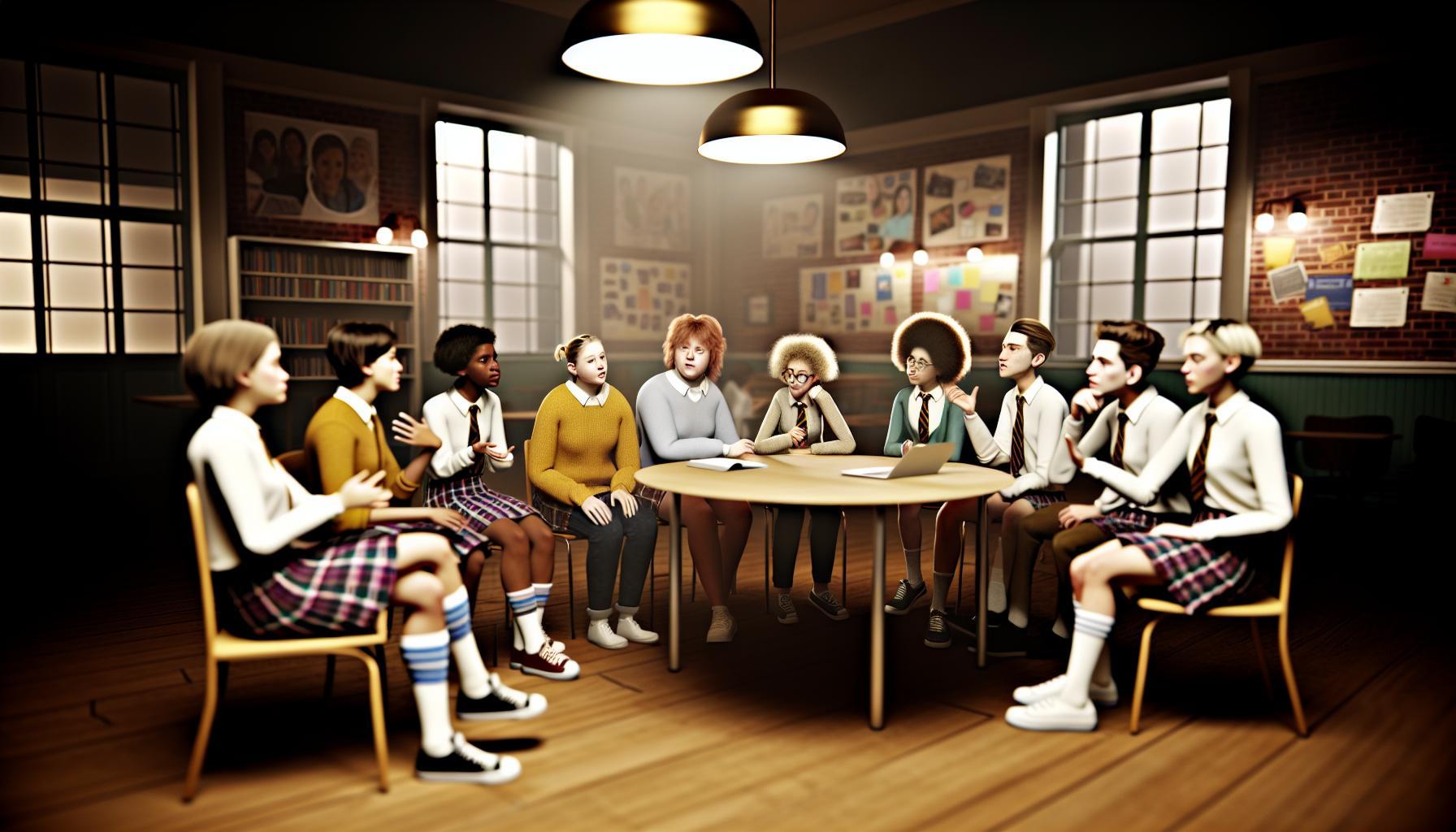

As high school students navigate their formative years, the issue of dress codes often sparks heated debates. What do young people truly think about these rules that dictate their self-expression? Understanding their perspectives is crucial, as it sheds light on the balance between individuality and conformity, ultimately influencing the culture of educational environments.
Understanding the Psychology Behind Dress Codes: Why Do They Matter?

Understanding how dress codes influence high school environments goes beyond mere aesthetics; they tap into deep-rooted psychological principles that shape identity, social interaction, and even academic performance. When students express their thoughts on policies regarding attire, they are often revealing much more than personal preferences. They are articulating views on freedom, individuality, and the values imposed by their educational institutions.
The Impact of Identity and Self-Expression
For adolescents, high school serves as a crucial period for self-discovery and identity formation. Clothing choice becomes an extension of self-expression, allowing students to showcase their uniqueness and align with peer groups. When dress codes restrict this expression, students may perceive it as a direct infringement on their identity. This can lead to feelings of discontent or rebellion, which may negatively affect their overall school experience.
- Identity Formation: During teenage years, students are actively forming their personal and social identities, often reflected through their clothing.
- Social Dynamics: Dress codes can either promote uniformity or create an environment of exclusion, impacting how students relate to their peers.
Psychological Safety and Inclusivity
Another significant aspect of dress codes is their role in establishing a sense of psychological safety within the school environment. When implemented thoughtfully, these policies can foster inclusivity and diminish the competitive pressures associated with fashion. However, poorly enforced dress codes can target specific groups or styles, fostering resentment rather than unity.
| Dress Code Aspect | Psychological Impact |
|---|---|
| Inclusivity | Enhances feelings of belonging and community. |
| Exclusivity | Can lead to feelings of alienation and resistance among students. |
| Clarity of Expectations | Reduces anxiety related to social judgment and enhances focus on academics. |
Academic Performance and Focus
Interestingly, studies suggest that appropriate dress codes can have a positive impact on academic focus and performance. When students dress in a manner that reflects a commitment to their education—often influenced by dress codes—they may subconsciously adopt a more serious attitude towards their studies. This connection between attire and mindset shows how dress codes can facilitate an environment conducive to learning, particularly if students perceive them as fair and just.
To better understand the multifaceted nature of dress codes in high school settings, it is invaluable to consider diverse perspectives. Engaging students in discussions about these policies helps educators grasp the nuanced implications of dress codes, fostering a more inclusive and effective educational environment that respects individuality while promoting unity.
Students Speak Out: Personal Stories on Dress Code Experiences

The experiences students have with their school’s dress code can shape their high school journey in profound ways. From feeling uncomfortable in restrictive attire to advocating for more inclusive policies, each story offers a window into the complexity of this often-debated subject. Many students have expressed that dress codes not only affect their self-expression but also shape the school culture and environment.
Anecdotes from the Front Lines
Students across various high schools have shared their personal encounters with dress codes that highlight both the challenges and triumphs they face. Here are a few compelling stories:
- Maria’s Stand for Comfort: One student, Maria, discussed how the stringent dress code at her school left her feeling stifled. “I remember being sent home for wearing a tank top on a hot day. I felt embarrassed and frustrated. It made me question why my comfort was less important than the rules.” This experience motivated Maria to join a student council group advocating for more flexible dress code policies that respect individual comfort and expression.
- James and Gender Expression: Another student, James, shared his journey of navigating the dress code as a gender non-conforming individual. “I often felt like I was breaking a rule just by being myself,” he recounted. “Over time, I became an advocate for a more inclusive dress code that allows students to express their identity freely without fear of reprimand.” His efforts have sparked discussions at school about how dress codes can reflect various gender expressions.
- Sara’s Unexpected Consequences: For Sara, the consequences of a minor dress code violation had lasting effects. “I was pulled aside for wearing ripped jeans,” she said. “It seemed so trivial, but it made me feel marginalized. I started to realize how dress codes often disproportionately affect certain groups of students.” Sara’s reflections reveal how seemingly benign rules can have deeper implications on student morale and inclusivity.
Voices for Change
These narratives echo a growing call among students for dress codes that genuinely reflect the diversity of their school populations. Many are urging administrators to reconsider rigid policies and engage in dialogue on this issue.
| Student Name | Issue Faced | Action Taken |
|---|---|---|
| Maria | Feeling uncomfortable due to attire rules | Joined student council for advocacy |
| James | Gender expression challenges with dress code | Advocated for inclusivity in rules |
| Sara | Marginalization due to dress code violations | Started discussions on student rights |
Through their stories, students not only share their struggles but also inspire others to find their voices. As these perspectives on high school dress codes reveal, advocating for change can lead to meaningful discussions that benefit the community at large.
The Great Debate: Equity and Fairness in Dress Code Policies

Amidst the bustling corridors of high schools, the topic of dress codes often sparks heated discussions among students, teachers, and parents alike. At the heart of these conversations lies an ongoing struggle between maintaining a sense of discipline and promoting individual expression. The perspectives gathered from students in the article “Perspectives on High School Dress Codes: What Do Students Really Think?” illuminate the complexity behind these policies, revealing a landscape rich with diverse opinions on equity and fairness.
The Variability of Dress Code Enforcement
One of the most contentious aspects of dress code policies is their implementation. Disparities in enforcement often lead to perceptions of unfairness among students, who may feel that some are disproportionately targeted based on arbitrary judgments. For instance, students reported feeling frustrated when the criteria for acceptable attire appear inconsistent or when certain groups are scrutinized more heavily than others. This reveals a critical point:
- Consistency is key. Establishing clear and communicated guidelines can help ensure that all students understand what is acceptable and what is not.
- Inclusivity matters. Policies should take into account the diverse backgrounds and cultures of students, ensuring that dress codes do not inadvertently discriminate against specific groups.
- Student voice is essential. Engaging students in the conversation when developing dress code policies can foster a sense of ownership and accountability.
Expressions of Identity and Individuality
For many students, clothing serves as a medium for self-expression and identity. The perspectives shared in the article highlight an important tension between a standardized dress code and the desire for personal freedom. Students articulated that their outfits often reflect their personality, cultural heritage, or current trends, and restrictive policies can stifle this form of expression. Therefore, schools may consider flexible dress codes that allow for individuality while still upholding a level of decorum.
| Benefits of Flexible Dress Codes | Challenges of Rigid Dress Codes |
|---|---|
| Encourages personal expression | May lead to feelings of alienation |
| Promotes cultural awareness | Can provoke disputes among students |
| Fosters creativity and innovation | May be perceived as outdated or irrelevant |
By striking a balance between maintaining an environment conducive to learning and respecting students’ rights to express themselves, schools can pave the way for a more equitable approach to dress code policies. Engaging with findings from “Perspectives on High School Dress Codes: What Do Students Really Think?” can aid educators in grasping the nuances of student opinion—ultimately helping to create a framework that prioritizes both fairness and respect for individual expression.
Navigating the Fine Line: Balancing Self-Expression and Rules

Navigating the delicate balance between self-expression and adhering to dress code regulations presents a significant challenge for students. High school dress codes often aim to create a conducive learning environment, but they can inadvertently stifle individuality. According to findings from various student surveys, many teens express frustration over their inability to showcase their unique styles, often feeling that imposed restrictions undermine their self-identity.
In exploring this intersection, it’s essential to understand the underlying motivations behind dress codes. Frequently, these guidelines are established to promote professionalism and discourage distractions. However, when students report that certain rules are not universally enforced or are seen as outdated, it can lead to feelings of injustice and discontent among the student body. It’s crucial to consider how these policies affect students’ attitudes towards their school community. Open dialogues between students and administration about the objectives of such policies could foster a mutual understanding, allowing for an evolution of dress codes that supports personal expression while maintaining decorum.
One practical approach for students navigating these restrictions is to engage in discussions with school officials about potential revisions to current dress codes. They can present constructive feedback through surveys or forums, emphasizing how changes could benefit both the students and the educational environment. For instance, incorporating elements such as “free dress days” or flexible guidelines for certain events can provide students with opportunities for self-expression while still adhering to school standards.
Ultimately, fostering an environment where students feel heard can lead to a more positive school experience. Schools that involve students in the policymaking process often create a more collaborative atmosphere. Students report feeling a stronger connection to their school culture when they have a say in how they can express themselves through their attire. This engagement not only helps in modifying the dress codes but also enhances students’ sense of belonging and community within the school.
The Role of Parents and Educators: Collaborating for Effective Dress Codes
Understanding the role of parents and educators in shaping high school dress codes is an essential step towards fostering an inclusive and supportive educational environment. Recent discussions around “Perspectives on High School Dress Codes: What Do Students Really Think?” reveal a landscape where students feel their voices are often overlooked. In order to bridge this gap, it becomes crucial for parents and educators to collaborate effectively, ensuring that dress codes reflect the values and needs of the community they serve.
Creating a Collaborative Framework
To establish a dress code that resonates with both students and the larger educational community, parents and educators must engage in open dialogues. This can take the form of regular meetings, feedback surveys, or focus groups where all stakeholders, including students, have the opportunity to voice their opinions and concerns. Here are some practical steps:
- Schedule regular town hall meetings that prioritize student input.
- Develop anonymous surveys to gather honest opinions from the student body.
- Form a dress code committee comprising parents, teachers, and student representatives.
By facilitating open communication and inclusivity, schools can create dress codes that are not only functional but also reflective of the diverse identities within the student population.
Addressing Student Perspectives
It’s important to recognize that high school students often feel strongly about their personal expression through clothing. The article highlights how many students view dress codes as restrictive rather than supportive. Parents and educators can work together to balance the need for a respectful learning environment while respecting students’ rights to express themselves. This can be approached by examining and updating existing dress codes to ensure they accommodate varying styles without compromising on decency or respect.
Real-World Examples
For instance, some schools have adopted flexible dress codes that replace rigid rules with guidelines based on the principles of respect and safety. Schools may decide to focus on guidelines that encourage students to make appropriate choices rather than strictly prohibiting certain items. This approach not only empowers students but also fosters responsibility and accountability.
| Traditional Dress Code Policy | Flexible Dress Code Policy |
|---|---|
| No ripped jeans or shorts above the knee. | Choose clothing that allows you to participate comfortably in class. |
| Prohibited logos or graphics related to drugs or violence. | Wear items that promote a positive message and self-expression. |
| Mandatory collared shirts for boys. | Encourage neat and presentable clothing without gender restrictions. |
Through thoughtful collaboration and an understanding of the perspectives shared in “Perspectives on High School Dress Codes: What Do Students Really Think?”, parents and educators can create dress codes that not only maintain a conducive learning environment but also celebrate the individuality and diversity of students.
Trends in Fashion: How Current Styles Challenge Traditional Dress Codes

In today’s rapidly evolving fashion landscape, the traditional dress codes often seen in high schools are being increasingly challenged by contemporary styles that promote individuality and self-expression. Students are expressing their disdain for outdated restrictions, favoring clothing that embodies their personal identities, cultural backgrounds, and social statements. This revolt against conventional attire marks a significant shift in how young people perceive their modes of self-presentation.
One of the most powerful trends is the rise of androgynous fashion, where garments blend typically masculine and feminine elements. This style is not merely a passable trend but a definitive statement reflecting broader social changes regarding gender norms. Students are gravitating towards clothing that allows them to defy labels, showcasing a spectrum of identity rather than rigid categories. As noted in recent discussions on high school dress codes, many students believe that clothing should not dictate who they are or how they are treated, prompting calls for schools to reconsider restrictive policies that limit expression.
Additionally, the trend towards art-inspired fashion encourages students to view their outfits as canvases for creativity and personal storytelling. The incorporation of digital prints and bold graphics allows students to articulate their views, interests, and affiliations visually. By embracing these styles, students challenge the notion that uniformity equates to discipline, arguing instead that diversity in dress can enhance school culture and foster a more inclusive environment.
The ongoing debate surrounding high school dress codes reflects a growing recognition that fashion is more than a mere aesthetic; it is a vital form of expression and individuality for students. As perspectives shift, schools may need to adapt their policies to align with contemporary values, fostering an environment that celebrates personal expression while still upholding community standards. This dialogue is essential in understanding how current styles overcome traditional dress codes and advocate for more inclusive and representative clothing options.
Creating a Positive School Environment: The Impact of Dress Code Enforcement
In the vibrant ecosystem of high school, where students are forging their identities, the implementation of dress codes can significantly influence not only personal expression but also the overall atmosphere of the learning environment. Understanding the varying opinions from students featured in “Perspectives on High School Dress Codes: What Do Students Really Think?” can help educators and administrators create a more positive school environment through thoughtful dress code enforcement.
Enhancing Focus and Reducing Distractions
One of the primary arguments for enforcing a dress code is its potential to reduce distractions in the classroom. When students dress according to a set standard, it can minimize peer pressure related to fashion choices that often leads to distraction from academic pursuits. Here are ways a well-enforced dress code can enhance focus:
- Consistent Expectations: A unified dress code helps in setting clear standards, allowing students to concentrate on their studies rather than their outfits.
- Fostering Equality: By reducing visible socio-economic differences, a dress code can help in creating a more inclusive environment, reducing the chances of bullying or feelings of inadequacy.
- Encouraging Professionalism: Preparing students for post-graduate life is an essential part of high school education. A dress code can instill a sense of professionalism that students may carry into their future careers.
Promoting a Sense of Community
A well-crafted dress code can also foster a sense of belonging among students. In “Perspectives on High School Dress Codes: What Do Students Really Think?”, many students expressed that a shared dress standard can unify them, creating camaraderie within the school.
- School Spirit: Specific attire like uniforms or school colors can create a sense of pride and community during events, fostering school spirit.
- Increased Interaction: When students are dressed similarly, they are often more willing to engage with one another, promoting stronger peer relationships.
Encouraging Self-Expression within Boundaries
While some students might initially view dress codes as limiting, they can also provide a structured framework within which students can express their individuality. Effective enforcement of dress codes allows for creativity while maintaining a focus on the educational mission of the school.
For example, schools can create guidelines that permit personal expression through accessories or color choices, balancing the need for professionalism with the desire for individuality.
| Types of Dress Code Policies | Pros | Cons |
|---|---|---|
| Uniforms | Fosters equality and school spirit | May limit personal expression |
| Flexible Dress Codes | Encourages individuality | Could lead to subjective enforcement |
| Seasonal Adjustments | Accounts for climate and comfort | May require frequent revisions |
By examining the multifaceted opinions shared in “Perspectives on High School Dress Codes: What Do Students Really Think?”, educators can refine their approach to dress codes, ensuring that they not only uphold standards but also resonate with the student body. Implementing these practices effectively can create a positive school environment where students feel comfortable, respected, and engaged.
Innovating Dress Code Policies: Solutions That Empower Students

Embracing change in dress code policies has the potential not only to create a more inclusive environment but also to foster a culture of expression and individuality among students. According to the insights gleaned from *Perspectives on High School Dress Codes: What Do Students Really Think?*, students often see dress codes as a means of restricting their personal identity rather than a way to cultivate professionalism or school spirit. This viewpoint emphasizes the need for innovative and flexible policies that empower rather than limit student expression.
Collaborative Policy Development
One successful approach to evolving dress code policies is involving students in the development process. When students have a say in what the dress code entails, they feel a greater sense of ownership and respect towards the rules. This can be achieved through:
- Focus groups that engage students in discussions about what they feel is appropriate attire.
- Surveys to gather opinions on various aspects of dress code regulations, such as acceptable clothing types, styles, and restrictions.
- Workshops where students can co-create with faculty a dress code that reflects the values of the student body.
An example of this can be observed in a high school that reformed its dress code after conducting workshops, leading to a more relaxed policy that still adhered to necessary guidelines. The resulting collaboration not only enhanced student satisfaction but also minimized disciplinary issues related to dress code violations.
Flexible Guidelines with Clear Intentions
Instead of rigid guidelines, schools can implement flexible dress codes that focus on the purpose of clothing rather than dictating specific styles. For instance, instead of a blanket ban on certain types of clothing, schools may adopt principles such as:
- Clothing must be safe and appropriate for the learning environment.
- Attire should not promote violence, discrimination, or hate.
- Students should dress in ways that foster respect for themselves and others.
By focusing on broader principles, schools can create an atmosphere where individual expression is encouraged, allowing students to interpret and apply the dress code guidelines according to their unique styles.
Regular Review and Feedback Mechanisms
To ensure that dress code policies remain relevant and effective, schools must establish ongoing feedback mechanisms. This could involve:
- Annual reviews of dress codes with input from the student body and faculty.
- Anonymous suggestion boxes that allow students to voice their concerns or recommendations regarding current regulations.
- Implementing a “Dress Code Committee” made up of students, teachers, and parents to evaluate policies on a bi-annual basis.
By regularly assessing the dress code, schools can adapt to changing societal norms and student needs, ensuring that the policy serves its intended purpose of fostering a respectful and professional educational environment.
Through these innovative solutions drawn from *Perspectives on High School Dress Codes: What Do Students Really Think?*, schools can cultivate a dress code policy that not only respects students’ rights to express themselves but also nurtures a positive and engaging educational atmosphere.
Q&A
What is the main purpose of high school dress codes?
The primary purpose of high school dress codes is to create a safe and respectful learning environment. They aim to minimize distractions, promote equality, and encourage students to focus on their education rather than their appearance.
By establishing clear guidelines, dress codes intend to level the playing field among students, reducing instances of bullying or exclusion based on clothing. Some schools believe that appropriate attire can enhance professionalism and cultivate a sense of community. For more insights, visit our article about the impact of dress codes on student life.
How do students feel about high school dress codes?
Students have mixed opinions about high school dress codes; while some appreciate the structure, many feel restricted by them. Many students express a desire for more freedom in expressing their personal style.
Some students argue that dress codes can unfairly target specific styles, which can be seen as a violation of personal expression. This debate emphasizes the need for schools to consider students’ voices when creating these policies. Understanding students’ perspectives on dress codes is crucial for finding a balanced approach.
Can I opt-out of my school’s dress code?
Generally, students cannot opt-out of school dress codes, as these policies apply to all enrolled students. However, students can voice their concerns through appropriate channels in the school.
Parents and students are encouraged to engage in discussions with school administration about the rationale behind the dress code. In some cases, schools may consider revisions based on feedback from the student body. This collaborative approach allows for a better understanding of the community’s values.
Why do some schools enforce stricter dress codes than others?
The strictness of dress codes varies by school due to differing administrative philosophies and community values. Some schools prioritize formality and order, while others emphasize individual expression.
The local culture and school mission often play pivotal roles in shaping dress code policies. For example, schools that focus on promoting a professional atmosphere may enforce stricter regulations. Understanding these differences can highlight important community values reflected in dress code policies.
What are common dress code violations?
Common dress code violations include inappropriate length of shorts or skirts, wearing offensive graphics, and exposing excessive skin. These rules are designed to uphold a certain level of decorum.
In many schools, violations may result in a warning or a request to change clothing. Understanding these guidelines can help students navigate their choices while remaining compliant. Being aware of what constitutes a violation can assist students in expressing their individuality within the established framework.
How can students advocate for changes to dress codes?
Students can advocate for changes to dress codes by organizing discussions, presenting petitions, and engaging in constructive dialogues with school administration and the PTA.
By voicing concerns and proposing solutions, students can foster a collaborative environment that encourages adaptability in school policies. Presenting evidence from student surveys and research can strengthen their case for more flexible dress codes.
Why do dress codes spark controversy among students?
Dress codes often spark controversy because they can be perceived as limiting personal expression and unfairly targeting certain groups of students. Many students argue that they infringe on their rights.
The debate centers around the balance between maintaining a respectful learning environment and allowing freedom of expression. Schools must navigate these sensitive topics and ensure that policies reflect the diverse perspectives of their student body.
Insights and Conclusions
In conclusion, the conversation surrounding high school dress codes is multifaceted, revealing a complex interplay between student expression, educational standards, and community values. Students share diverse views—from seeing dress codes as infringing on their individuality to recognizing their role in creating a respectful learning environment. Understanding these varied perspectives is vital for educators, parents, and policymakers alike.
As you engage further with this topic, consider which elements resonate most with your own experiences or observations. Are there compromises that could bridge the gap between the needs for self-expression and a conducive learning environment? Perhaps initiating open dialogues within your own school community could lead to collaborative solutions that respect both personal freedom and educational integrity.
By continuing to explore this dynamic issue, we empower not only ourselves but also the next generation of thinkers and leaders. Encourage discussions, share your thoughts with peers, and advocate for a dress code that acknowledges the importance of both expression and school culture. After all, fostering understanding and collaboration is the key to creating an environment where everyone feels valued and respected.