

With countless shower gels on the market, how do we choose a truly clean option? As consumers become increasingly conscious of ingredients and environmental impact, understanding what constitutes a safe and effective shower gel is essential. This survey dives deep into preferences, helping you make informed decisions for your daily routine.
Understanding the Ingredients: What’s Really in Your Shower Gel?
The average person uses shower gel almost every day, a staple of personal hygiene that many take for granted. However, have you ever paused to consider what those colorful bottles contain? Behind their enticing fragrances and vibrant packaging lies a complex mixture of ingredients, some of which may be surprising. Understanding these components can empower you to make informed choices about the products you incorporate into your daily routine.
Common Ingredients in Shower Gel
To navigate the often-overwhelming world of shower gels, it’s important to recognize key ingredients that commonly appear. Here are some categories you might encounter:
- Surfactants: These are the cleansing agents that create lather and remove dirt and oil from the skin. Common examples include sodium lauryl sulfate and cocamidopropyl betaine.
- Fragrance: Added to provide a pleasant scent, fragrances can be natural or synthetic. Those sensitive to strong scents should opt for fragrance-free options.
- Preservatives: Essential for keeping products safe over time, preservatives like parabens have drawn scrutiny for potential health risks. Opting for paraben-free formulations can be a safer choice.
- Moisturizers: Ingredients like glycerin and aloe vera are frequently added to provide hydration and soothe the skin, counteracting the drying effects of cleansing agents.
Making Safer Choices
When evaluating shower gels for your personal use, a closer inspection of the labels can unveil much about their safety and benefits. Here are some steps to help guide your selection process:
- Read Labels Carefully: Look for products with shorter ingredient lists, as they often contain fewer synthetic additives.
- Research Ingredients: Familiarize yourself with common unknown terms. Resources such as the Environmental Working Group’s Skin Deep database can provide useful information about various substances.
- Consider pH Balance: Your skin has a natural pH that can be disrupted by harsh cleansers. Many brands now offer formulations that maintain this balance, promoting healthier skin.
- Prioritize Ethical Practices: Seek out brands that focus on sustainability and ethical ingredient sourcing. Some companies are transparent about their manufacturing processes, which can enhance your trust in their products.
| Ingredient Type | Purpose | Potential Concerns |
|---|---|---|
| Surfactants | Cleansing & foaming | May irritate sensitive skin |
| Fragrances | Scent enhancement | Can trigger allergies & sensitivities |
| Preservatives | Product longevity | Some linked to health concerns |
| Moisturizers | Hydration | Generally safe |
By understanding what’s really in your shower gel, you can make smarter choices and elevate your grooming routine beyond mere habit. A little knowledge goes a long way—ensuring that your daily cleansing ritual not only feels good but also aligns with your health and environmental values.
The Debate on Natural vs. Synthetic: Which is the Better Choice?
The debate over natural versus synthetic components in personal care products, such as shower gels, has garnered considerable attention. As consumers grow more conscious of their choices, the question arises: which option truly offers a cleaner, more effective solution for skin care? According to the findings from the “Survey About Shower Gel: What Makes a Clean Choice?”, many people prefer products that stray from harmful chemicals while still delivering an effective cleansing experience.
Understanding Natural Ingredients
Natural shower gels use ingredients derived from plants, minerals, and other naturally occurring materials. Proponents argue that these cleansers offer numerous benefits, including:
- Gentleness: Natural ingredients tend to be milder on the skin, reducing the risk of irritation or allergic reactions.
- Environmental Impact: Using biodegradable, plant-based materials supports sustainability and reduces pollution.
- Transparency: Many natural brands emphasize strict ingredient lists, allowing consumers to know exactly what they are applying to their skin.
However, it’s important to note that not all natural products are created equal. Some may still include preservatives or additives that could be harmful. Hence, it’s essential to scrutinize labels carefully.
Examining Synthetic Components
On the other hand, synthetic shower gels typically contain a blend of man-made chemicals designed to enhance performance and shelf life. The benefits of synthetic items can include:
- Stability: Synthetic ingredients often provide a longer shelf life and maintain their effectiveness over time.
- Cost-Effective: These products can be less expensive to produce, allowing for affordability in consumer markets.
- Performance: The scientific formulation of synthetic ingredients often leads to superior lathering and cleansing properties.
Yet, concerns arise about potential long-term skin effects and environmental impact, particularly when it comes to certain synthetic compounds like parabens and sulfates.
Balancing Both Worlds
As the insights from the “Survey About Shower Gel: What Makes a Clean Choice?” suggest, consumers are increasingly inclined to seek products that balance the benefits of both natural and synthetic ingredients. A promising approach is to look for hybrid products that include:
| Ingredient Type | Examples | Benefits |
|---|---|---|
| Natural Extracts | Aloe Vera, Coconut Oil | Moisturizing, soothing properties |
| Skin Conditioning Agents | Glycerin, Hyaluronic Acid | Hydration and barrier protection |
| Preservatives | Phenoxyethanol, Potassium Sorbate | Kept free of harmful microorganisms |
In conclusion, whether choosing a natural or synthetic shower gel, it’s vital to consider individual skin needs and preferences. Being an informed consumer will lead to selecting products that align with personal values while ensuring effective cleansing and care.
Skin Types Matter: Finding a Shower Gel That Works for You
Choosing the right shower gel can significantly impact your skin’s health and comfort. With a variety of formulations available, understanding your skin type is crucial for making an informed decision. Whether your skin is oily, dry, sensitive, or a combination, there are specific ingredients and formulations designed to address your individual needs. In fact, according to a survey about shower gels, products designed for particular skin types often yield better results, making this a vital component of personal care routines.
Identifying Your Skin Type
Before delving into specific shower gels, it’s essential to identify your skin type. Here’s a quick guide to help you:
- Oily Skin: Typically shines and may have larger pores. Look for gel-based shower gels that can effectively cleanse without adding excess moisture.
- Dry Skin: Feels tight or flaky. Opt for moisturizing shower gels enriched with nourishing oils and hydrating agents.
- Sensitive Skin: Easily irritated or reactive. Seek out hypoallergenic options that are free from harsh chemicals and fragrances.
- Combination Skin: A mix of oily and dry areas. Consider using different products for different body areas or a balanced shower gel.
Choosing the Right Ingredients
The right shower gel formulation should address specific skin concerns while providing a refreshing cleanse. When selecting a product, prioritize these ingredients based on your skin type:
| Skin Type | Recommended Ingredients | Ingredients to Avoid |
|---|---|---|
| Oily Skin | Tea tree oil, salicylic acid | Heavy oils, alcohol |
| Dry Skin | Aloe vera, glycerin, shea butter | Fragrance, sulfates |
| Sensitive Skin | Chamomile, calendula, oatmeal | Parabens, artificial colors |
| Combination Skin | Balanced pH gels, natural oils | Heavy scents, irritating additives |
Incorporating these elements can transform your shower experience. By using a shower gel that caters to your skin type, you can enhance hydration, reduce irritation, and support your skin’s natural barrier. Remember, a little trial and error might be necessary to pinpoint the perfect product for your unique skin needs. Taking heed of the findings from the survey about shower gel efficacy can guide you toward making a choice that not only cleanses but also nourishes your skin effectively.
The Role of pH Balance in Shower Gels and Your Skin Health
Understanding the delicate balance of pH in shower gels can significantly impact your skin health, yet it often goes unnoticed. The skin’s natural acidity plays a crucial role in maintaining its barrier function, protecting it from harmful pathogens and retaining moisture. When it comes to shower gels, the pH level can either complement or disrupt this balance, leading to various skin issues.
Typically, the ideal pH for our skin hovers between 4.5 and 5.5, which is slightly acidic. This acidity helps preserve the skin’s microbiome, a complex ecosystem of bacteria and fungi that contribute to skin health. Many commercially available shower gels can have varying pH levels, some straying far from this optimal range. If the shower gel is too alkaline, it can strip the skin of its natural oils, leading to dryness, irritation, and conditions such as eczema or dermatitis. On the contrary, overly acidic formulations can also disrupt skin health, causing irritation and discomfort.
To help you make informed decisions when choosing a shower gel, consider the following factors regarding pH:
- Know Your Skin Type: Understanding whether your skin is oily, dry, or sensitive can guide you toward appropriate shower gel options.
- Read Labels: Look for shower gels that specify their pH levels. Brands that focus on skin health often provide this information.
- Opt for Natural Ingredients: Many natural products are formulated to be pH balanced and gentle on the skin. Ingredients like aloe vera or chamomile can provide soothing benefits.
- Test and Observe: If you’re trying a new product, monitor your skin’s reaction over a few days. This can help you determine whether the pH level is suitable for your skin.
It’s essential for consumers to stay informed about product compositions as highlighted in the recent “Survey About Shower Gel: What Makes a Clean Choice?” The survey revealed numerous trends, showing that an increasing number of people prioritize pH-balanced products. Such findings underline the importance of choosing shower gels that not only clean but also support skin health.
For manufacturers, ensuring that shower gels are formulated within the optimal pH range can enhance customer satisfaction and loyalty. In this evolving market, consumers are becoming increasingly aware of the importance of pH balance in product efficacy and overall skin health, making it a fundamental aspect of any clean choice in personal care grooming.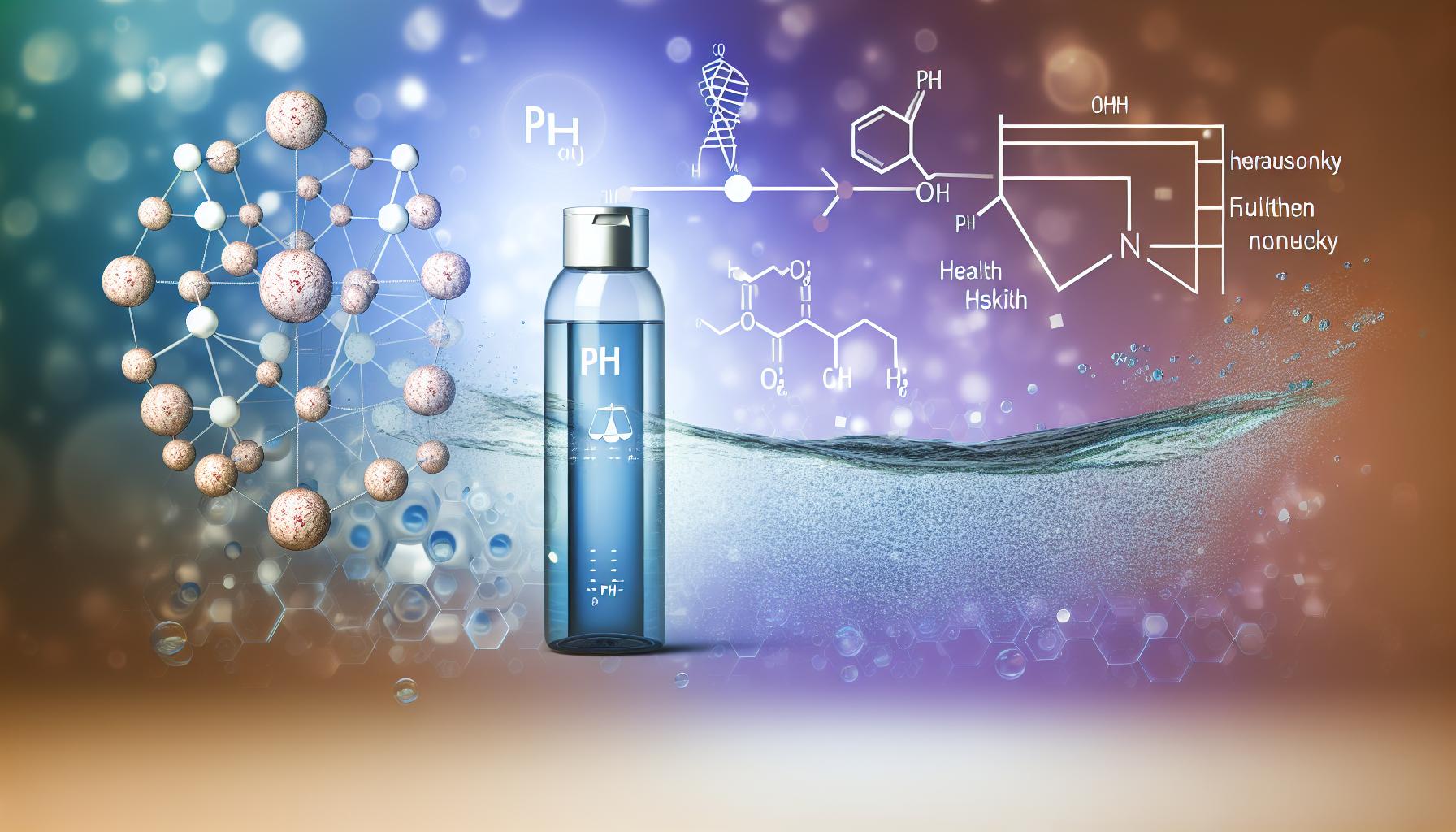
Environmental Impact: Choosing Eco-Friendly Shower Gel Options
Making conscious choices about the skincare products we use can have a profound impact on the health of our planet. As consumers become increasingly aware of their ecological footprint, the search for eco-friendly shower gel options has taken center stage. A recent survey highlighting preferences in shower gel usage revealed that a significant number of individuals are prioritizing sustainability when selecting hygiene products. This growing trend reflects a shift in consumer mindset, emphasizing that what we use in the shower matters not just for personal health but also for environmental well-being.
Understanding Environmental Impact
The environmental effects of traditional shower gels can be quite substantial. Many commercial products contain synthetic fragrances, preservatives, and other harsh chemicals that may not only be detrimental to personal health but also contribute to water pollution. When these substances wash down the drain, they can harm aquatic ecosystems and disrupt local biodiversity. Opting for eco-friendly alternatives can help mitigate these issues. Here are a few key elements to consider when choosing your next shower gel:
- Biodegradable Ingredients: Look for products made with natural and biodegradable ingredients that break down easily and do not linger in the environment.
- Eco-Friendly Packaging: Consider choosing brands that use recyclable or compostable packaging to reduce plastic waste.
- Animal Testing Policies: Select brands that are cruelty-free and do not engage in animal testing, supporting ethical practices in product development.
- Local Production: Supporting local artisans or companies that produce their products sustainably can also cut down on carbon footprints associated with long-distance transportation.
Making Conscious Choices
When browsing for eco-friendly shower gel options, it’s essential to read labels meticulously. Many brands promote themselves as “eco-friendly,” but only a few genuinely uphold sustainable practices from ingredient sourcing to packaging. A simple tip is to look for certifications such as USDA Organic or the EcoCert logo, which indicate that the product meets rigorous environmental and ethical standards. Additionally, conducting a quick online search can provide insight into a brand’s environmental policies and practices.
| Criteria | Eco-Friendly Options | Conventional Options |
|---|---|---|
| Ingredient Transparency | Clear labeling of natural ingredients | Often vague with synthetic compounds |
| Packaging | Recyclable or biodegradable | Single-use plastic |
| Animal Testing | 100% cruelty-free | May use animal testing |
| Sourcing | Locally sourced ingredients | Imported synthetic ingredients |
By incorporating these eco-friendly shower gel options into your personal care routine, you can contribute to a cleaner, healthier environment. The choices you make in the personal care aisle send a powerful message about your values and priorities, influencing the market towards greater sustainability. Embracing and promoting eco-conscious habits not only enriches your own lifestyle but also inspires others to join the movement for a sustainable future as highlighted in the survey about shower gel preferences.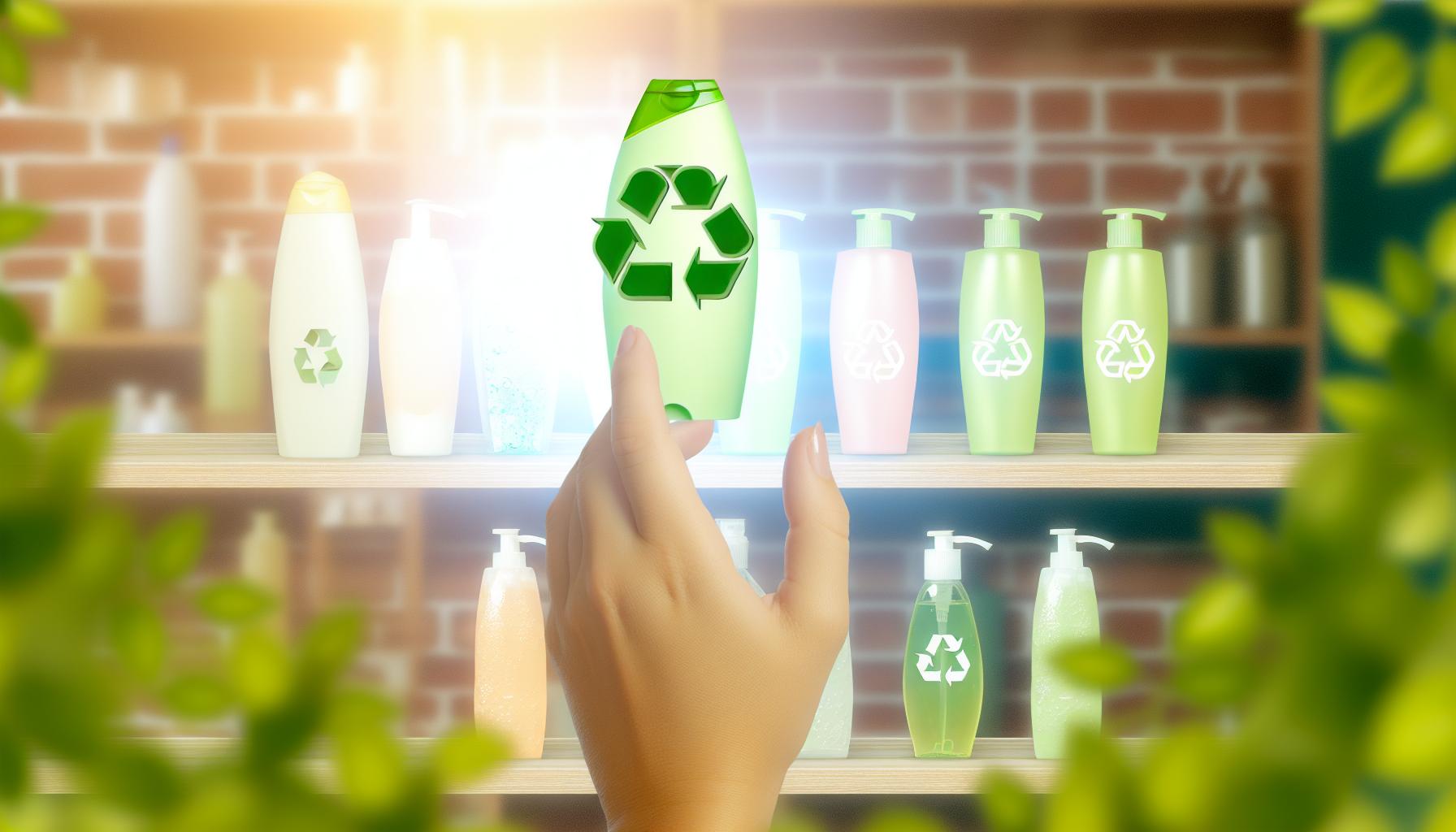
Scent Sensitivity: How Fragrance Can Affect Your Shower Experience
The experience of taking a shower is not just about cleansing the body; it’s also a moment of self-care and enjoyment. However, for many individuals, sensitivity to scents can dramatically transform the shower experience. Whether from shower gels, body washes, or other cleansing products, fragrances can evoke various reactions. In fact, a growing number of people report discomfort or adverse effects from strong scents, leading to a need for awareness and alternatives in daily hygiene routines.
Understanding Fragrance Sensitivity
Fragrance sensitivity ranges from mild discomfort to severe allergic reactions. Products laden with synthetic scents can trigger symptoms such as headaches, skin irritations, and respiratory issues in sensitive individuals. This phenomenon is particularly noticeable with scented shower gels, which may contain a cocktail of chemicals that can irritate those with allergies or asthma. To make a clean choice that enhances your shower experience, opting for fragrance-free or naturally scented products can significantly reduce discomfort while providing a pleasurable showering routine.
Choosing the Right Products
When navigating the vast array of shower products available, consider the following tips for selecting a fragrance-friendly shower gel:
- Read Labels: Look for products labeled as “fragrance-free” or “hypoallergenic” to minimize the risk of irritation.
- Opt for Natural Ingredients: Choose shower gels derived from plant-based ingredients, which are less likely to contain harsh chemicals.
- Patch Test: Always conduct a patch test on a small area of skin before fully incorporating any new product into your routine.
- Consult Reviews: Refer to customer reviews or surveys, such as the findings from the ‘Survey About Shower Gel: What Makes a Clean Choice?’ to see what works best for others with similar sensitivities.
To further assist those with scent sensitivities, manufacturers are increasingly offering customized shower products that cater specifically to sensitive consumers. By choosing wisely, you can create a showering experience that not only cleanses but also promotes relaxation and well-being. Prioritizing your needs, as illuminated in the recent survey, can guide you toward making informed choices in your daily bathing rituals.
Debunking Common Myths About Shower Gels and Cleansing
Did you know that a significant number of people have misconceptions about shower gels and their effectiveness? A recent survey highlighted that many consumers remain confused about what truly constitutes a clean choice in cleansing products. In a market flooded with varying hues, scents, and formulas, unraveling the truth behind shower gels is more important than ever. Let’s dive into some common myths and present the facts to help you make an informed decision about your personal care routine.
Myth 1: All Shower Gels Are the Same
One of the prevailing myths is that all shower gels offer the same benefits, leading many to choose based solely on branding or price. In reality, shower gels differ greatly in their formulation, ingredients, and skin compatibility. For instance, those with sensitive skin may need to avoid strong fragrances and certain preservatives that can cause irritation. Choosing a gentle, hydrating formula can make a significant difference in your skincare.
- Hydrating ingredients: Look for natural oils, glycerin, or aloe vera, which provide moisture.
- pH-balanced products: Ensure the gel maintains a pH close to that of your skin, which is about 5.5, to preserve your skin’s natural barrier.
- Free from harmful chemicals: Check for sulfates and parabens, which can strip the skin of its natural oils.
Myth 2: Shower Gels Are Only for Body Cleansing
Many people believe that shower gels should only be used for the body, while in truth, they can also be effective for facial cleansing, provided the formula is suitable. Some specialized shower gels are designed to be gentle enough for use on the face, offering a versatile option for those looking to streamline their skincare routine. Always read labels to verify if a product is safe for facial use, as some ingredients common in body washes may cause breakouts or irritation on the face.
Myth 3: The More Lather, the Better
Another common misconception is that the amount of lather you see correlates with the product’s cleaning power. While many people associate foam with effective cleansing, it’s important to understand that lathering agents, often made from sulfates, can sometimes be harsh on the skin. A gentle yet effective gel may produce less lather but still efficiently removes dirt and impurities without compromising skin health.
| Type of Shower Gel | Key Benefit | Lather Level |
|---|---|---|
| Hydrating Gel | Moisture retention | Low |
| Exfoliating Gel | Dead skin removal | Medium |
| Foaming Gel | Deep cleansing | High |
In conclusion, the findings from the survey on shower gels show that understanding the specifics of your chosen product can lead to better skincare choices. By debunking these common myths about shower gels and their cleansing capabilities, you can enhance your bathing experience and nurture your skin effectively.
Expert Tips for Making the Most of Your Shower Gel Routine
Embracing the full potential of your shower gel routine can transform an ordinary self-care ritual into an invigorating experience. According to insights gathered in the “Survey About Shower Gel: What Makes a Clean Choice?”, selecting the right products and using them effectively can enhance not just your skin’s appearance, but also your overall well-being. Here are some expert tips to elevate your shower gel game.
Select the Right Formula
Choosing a shower gel that suits your skin type is essential for maximizing benefits. Look for hydrating formulas if you have dry skin, or opt for invigorating gels with citrus scents for an energizing morning routine. Ingredients matter; a gel with natural oils or botanical extracts can provide additional nourishment. When reviewing options, consider conducting a patch test to avoid adverse reactions, especially if you have sensitive skin.
Technique Matters
Proper application can amplify the effectiveness of your shower gel. Instead of pouring the gel directly into your hand, try using a loofah or exfoliating mitt. This not only promotes lathering but also helps with exfoliation, ensuring a thorough cleanse. Apply the gel with gentle, circular motions, focusing on areas that need extra attention, such as elbows and knees. End your shower with a cool rinse to seal in moisture and refresh your skin.
Incorporate Multi-Use Products
Many shower gels offer versatility beyond cleansing. For instance, products like the Philosophy 4-in-1 Shower Gel can double as a bubble bath and shampoo, simplifying your bathroom routine. Multi-use products tend to save both space and money, making them a practical addition to your regimen. Review your choices to discover if any of your preferred gels offer this convenience while still being effective in their primary role.
Enhance Your Environment
Creating a spa-like atmosphere can significantly enhance your shower experience. Incorporate soft lighting, calming music, or even aromatherapy to elevate your routine beyond mere functionality. Consider the scents of your shower gels—lavender can promote relaxation, while eucalyptus may invigorate the senses. Personalize your shower environment to reflect the mood you wish to cultivate, making each session a time for rejuvenation.
By integrating these strategies drawn from the “Survey About Shower Gel: What Makes a Clean Choice?”, you can turn your shower into a revitalizing retreat that nourishes both body and mind. With the right approach, your routine can become a cherished part of your day, leaving you feeling refreshed and empowered.
Frequently Asked Questions
What is the purpose of the ‘Survey About Shower Gel: What Makes a Clean Choice’?
The purpose of the ‘Survey About Shower Gel: What Makes a Clean Choice’ is to identify consumer preferences and priorities when selecting shower gels. It aims to gather insights on ingredients, sustainability, and effectiveness in promoting skin health.
This survey collects valuable data that can influence product development. Understanding consumer awareness of key ingredients, such as sulfates and parabens, helps in making informed decisions. Additionally, the survey examines factors like eco-friendliness and packaging, which are increasingly important to consumers.
Can I participate in the Survey About Shower Gel?
Yes, you can participate in the Survey About Shower Gel: What Makes a Clean Choice if you are a consumer of shower gels. The survey is typically open to various demographics to ensure diverse insights.
Participation usually involves filling out an online questionnaire regarding your shower gel preferences and usage. Sharing your thoughts helps produce a clearer picture of market trends and consumer needs, contributing to better future products.
Why does ingredient transparency matter in shower gels?
Ingredient transparency is vital because it empowers consumers to make informed choices regarding their health. Many people are concerned about harmful substances that may be present in shower gels, such as artificial fragrances and sulfates.
When brands are open about their ingredients, consumers can avoid products with unwanted chemicals and choose ones that align with their values, such as natural or organic formulations. So, this transparency is a key focus area in the survey, reflecting consumer preferences.
How do I know if my shower gel makes a clean choice?
To determine if your shower gel is a clean choice, examine the ingredient list for potentially harmful components. Look for products labeled as free from sulfates, parabens, and other harsh chemicals.
Additionally, consider products certified by recognized organizations which test for safety. This information can help you align shopping choices with health and environmental values, ensuring you make a responsible selection.
What are common ingredients to avoid in shower gels?
Common ingredients to avoid in shower gels include sulfates, parabens, and synthetic fragrances, as these may irritate the skin or cause other health issues. Identifying and avoiding these ingredients can lead to healthier skin choices.
Understanding the implications of these ingredients can enhance your skincare routine. For instance, sulfates are detergents that can strip the skin of its natural oils, leading to dryness. Choices made based on insights from the survey can pave the way for a more wholesome bathing experience.
Why is sustainability important for shower gel brands?
Sustainability is increasingly important for shower gel brands as consumers demand eco-friendly practices. Brands that prioritize sustainable sourcing and packaging appeal to environmentally conscious shoppers.
Commitments to using biodegradable ingredients and recyclable packaging reflect a brand’s dedication to minimizing environmental impact. As highlighted in the survey, such practices can influence consumer loyalty and purchasing decisions significantly.
Can the survey results change the products on the market?
Yes, the results from the Survey About Shower Gel: What Makes a Clean Choice can significantly influence product offerings. Manufacturers may adjust formulations and marketing strategies based on consumer feedback.
This connection between consumer preferences and production means that your input is valuable. By participating, you contribute to shaping a market that responds to the needs and desires of both consumers and the environment.
Wrapping Up
As we wrap up our exploration of the survey about shower gel, it’s clear that making informed choices starts with understanding the key factors that contribute to a “clean” choice. From considering the ingredients—like sulfates and parabens—to evaluating environmental impact through eco-friendly packaging, each element plays a crucial role in your decision-making process. Remember, a product that cleans effectively may also nourish your skin and respect the planet.
Engaging with brands that prioritize transparency can not only enhance your bathing experience but also contribute to a healthier, more sustainable lifestyle. Whether you’re shopping for the latest formulations or diving deeper into ingredient lists, take these insights with you into your next purchase.
Feel free to share your own experiences and preferences in the comments; after all, discussions enrich our understanding. As you continue navigating the world of personal care products, stay curious and keep seeking knowledge—every choice contributes to a more informed and empowering routine. Happy exploring!